Best Drying System for High Speed Letterpress Machines?

Time:2026-07-31 Author:Ethan
0%

In the world of high-speed letterpress printing, the effectiveness of drying systems plays a crucial role. The question, "what is the best drying system for high speed letterpress machines," has sparked a great deal of debate among industry professionals. According to a recent report by Smithers Pira, businesses using high-speed presses prioritize efficiency, and an optimized drying system significantly improves productivity.

Expert Joe Reynolds emphasizes, "Choosing the right drying solution can reduce ink drying time by nearly 50%." This statistic underlines the importance of selecting a system that aligns with the specific needs of high-speed printing. A range of technologies is available, including UV, IR, and hot air systems, each with unique advantages. However, they are not without challenges. For example, UV systems may require more initial investment but can offer superior results in terms of speed and quality.

Industry trends suggest a move towards more energy-efficient systems that minimize environmental impact. Consequently, businesses must weigh different factors such as cost, efficiency, and the specific chemistry of inks used. The quest for the best drying solution requires careful analysis and sometimes a trial-and-error approach to fully understand what integrates seamlessly with high-speed processes.
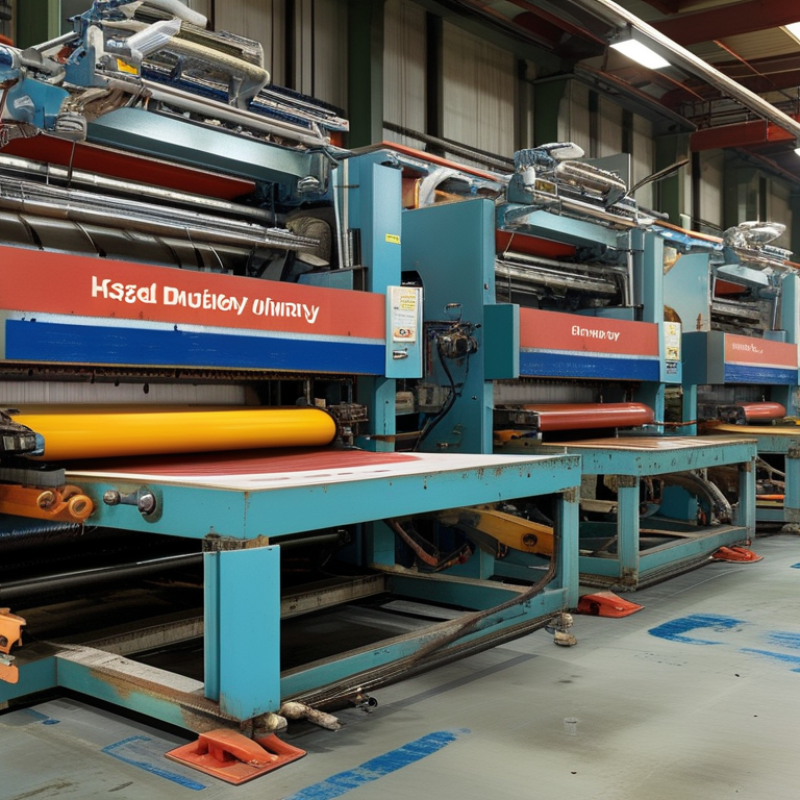
Best Drying System for High Speed Letterpress Machines?

Overview of Drying Technologies for Letterpress Printing

Drying technologies play a crucial role in the efficiency of letterpress printing. High-speed machines demand effective drying solutions to maintain productivity. Different drying systems cater to specific needs. Heat transfer methods, such as infrared and convection drying, are popular. These technologies expedite the drying process significantly. They rely on temperature differences, ensuring ink adheres properly to materials.

However, not all systems perform equally well. Some may cause issues with heat-sensitive substrates. Other methods, like UV drying, offer unique advantages but can be costly. Each system carries potential drawbacks. Printer operators should evaluate their specific requirements before choosing a drying method. The right choice can enhance print quality, while a poor one leads to waste and reprints.

Experimentation is vital in determining the best fit for your operation. Understanding ink properties, substrate types, and drying speeds is essential. Continuous monitoring and adjustments can refine the drying process. Innovations in drying technologies are ongoing. Staying updated with emerging trends can lead to better outcomes in letterpress printing. As the industry evolves, prioritizing reliability and efficiency remains critical.

Comparative Analysis of Conventional vs. Modern Drying Systems

When considering drying systems for high-speed letterpress machines, both conventional and modern options present unique advantages and challenges. Conventional drying systems often use heat and air to evaporate moisture. They are reliable and have been in use for decades. However, their efficiency can vary based on environmental conditions. Many operators lament that long drying times can hinder overall productivity.

In contrast, modern drying systems leverage advanced technologies such as UV curing or infrared drying. These methods can dramatically reduce drying times. Users report that UV systems allow for immediate handling of printed material. Yet, not all print jobs benefit from this technology. Certain ink types may not cure properly, leading to concerns about print quality.

While modern systems are innovative, they can also present integration challenges. Adapting to new technologies may require re-training staff. Additionally, some users worry about maintenance and repair costs associated with these systems. It is crucial to weigh these factors against the potential time savings. Each printing operation must evaluate its specific needs, balancing speed, quality, and reliability in their drying choices.

Impact of Drying Systems on Print Quality and Production Speed

When evaluating drying systems for high-speed letterpress machines, one must consider their impact on print quality and production speed. A well-chosen drying system can significantly enhance the final appearance of printed materials. Insufficient drying can result in smudging or color transfer, affecting the overall aesthetic. Achieving moisture content that meets industry standards is critical. Wet inks can impair adhesion, leading to issues in finishing processes.

The speed of drying also plays a vital role in production efficiency. Quick-drying options can help streamline workflows, allowing for faster turnaround times. However, this is not without challenges. A system that dries too quickly might create brittle prints, prone to damage. Balancing drying speed and quality requires a nuanced understanding of both ink properties and substrate behavior.

Consistency in drying results can differ based on various factors. Variability in environmental conditions, such as temperature and humidity, can affect performance. Moreover, the choice of energy sources, whether UV, infrared, or hot air, needs careful consideration. Each method offers unique benefits and drawbacks. The goal should always be to optimize print quality while maintaining high production speed. The delicate interplay between these factors often requires ongoing adjustments.

Impact of Drying Systems on Print Quality and Production Speed

Key Metrics: Energy Efficiency and Cost-Effectiveness of Drying Equipment

Choosing the best drying system for high-speed letterpress machines requires focus on energy efficiency and cost-effectiveness. These metrics are crucial in optimizing production. Energy costs can significantly impact overall expenses. Thus, selecting a system that offers high output with low energy consumption is vital. Efficient systems can reduce power costs, leading to substantial savings in the long run.

The installation and maintenance costs should also be evaluated. Some drying equipment may require higher initial investment. However, long-term savings might offset this. Balancing the upfront costs with the operational efficiency is key. It’s essential to consider the lifespan of the equipment too. Frequent replacements can lead to increased costs. Investing in reliable systems can ensure consistent performance and longer service life.

Reflecting on your needs can help in decision-making. Each printing facility may have unique requirements. Understanding these needs prevents overspending on unnecessary features. Moreover, examining user feedback and conducting trials could lead to better choices. A well-informed decision can increase productivity and reduce waste, ensuring a sustainable production environment.

Best Drying System for High Speed Letterpress Machines?

Drying System Type Energy Efficiency (kWh/1000 sheets) Initial Cost ($) Operating Cost ($/month) Drying Time (seconds)
Infrared Drying 5.5 12,000 500 30
Hot Air Drying 7.0 15,000 600 45
UV Drying 4.0 20,000 800 20
Electron Beam Drying 6.0 25,000 900 15
Combination Drying 5.2 18,000 700 25

Case Studies: Successful Implementations of Drying Systems in the Industry

In the fast-paced world of high-speed letterpress printing, the drying system plays a crucial role. Effective drying can enhance print quality and increase productivity. One case study highlights a small print shop’s transition to a high-efficiency drying system. The shop managed to cut drying times by 50%. As a result, they improved their overall output without compromising on quality.

However, not every installation is smooth. Some reported issues with uneven drying across different substrates. This inconsistency often requires additional adjustments to the machinery. Such challenges highlight the importance of careful system selection and testing.

Tips for selecting a drying system include evaluating your workflow and ink types. Understand the specific requirements of your materials. Consulting with experts can provide invaluable insights. Seek out feedback from other industry players about their experiences. Continuous learning is vital in this evolving field. Ultimately, a reliable drying system can lead to substantial gains, but it must align with your operational needs.

FAQS

: What are the main advantages of conventional drying systems?

: Conventional drying systems are reliable and have been used for decades. They use heat and air to remove moisture effectively.

What challenges do users face with conventional drying systems?

Users often experience long drying times. This can decrease overall productivity in print operations.

How do modern drying systems differ from conventional ones?

Modern systems use advanced technologies like UV curing. They can significantly reduce drying times and allow for immediate handling of prints.

Are there any drawbacks to using UV curing technology?

Not all print jobs benefit from UV curing. Some ink types may not cure properly, affecting print quality unexpectedly.

What should facilities consider before transitioning to modern drying systems?

Facilities should assess the need for staff retraining. Maintenance and repair costs may also pose concerns upon integration.

How important is energy efficiency in selecting a drying system?

Energy efficiency is crucial. It impacts production costs and choosing a system with low energy consumption can lead to long-term savings.

What is a vital factor to consider regarding equipment lifespan?

Equipment lifespan should be evaluated. Frequent replacements can increase costs, so investing in reliable systems is important.

How can printing facilities make better decisions about their drying systems?

Reflecting on specific needs can help avoid unnecessary expenses. Conducting trials and seeking user feedback can inform better choices.

What challenges have some users reported with drying system installations?

Users have reported uneven drying across different materials. This requires additional adjustments, which can complicate operations.

What tips can improve the selection of a drying system?

Evaluate workflow and ink types carefully. Consulting experts can offer valuable insights, and continuous learning is essential.

Conclusion

The article "Best Drying System for High Speed Letterpress Machines?" provides a comprehensive exploration of various drying technologies utilized in letterpress printing. It begins by outlining the characteristics of both conventional and modern drying systems and their respective impacts on print quality and production speed. By examining the energy efficiency and cost-effectiveness of different drying equipment, the article emphasizes that choosing the right system is crucial for optimizing production efficiency.

Furthermore, the piece includes case studies showcasing successful implementations of advanced drying systems within the industry. Ultimately, it addresses the question of what is the best drying system for high speed letterpress machines, highlighting that the optimal solution will depend on specific operational needs and technological advancements to enhance print quality while maintaining production momentum.

Ethan

Ethan

Ethan is a seasoned marketing professional with a deep expertise in our company's innovative product line. With a passion for sharing knowledge and insights, he takes the lead in regularly updating our corporate blog, where he explores industry trends, product features, and effective marketing......