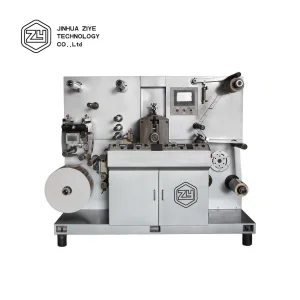
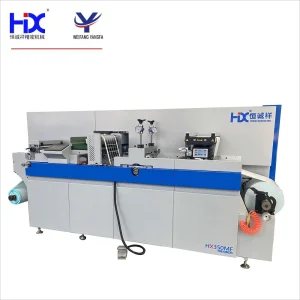
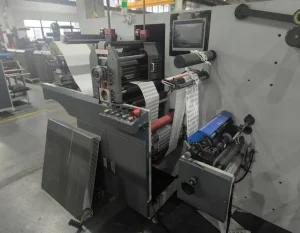
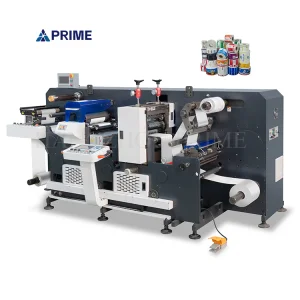
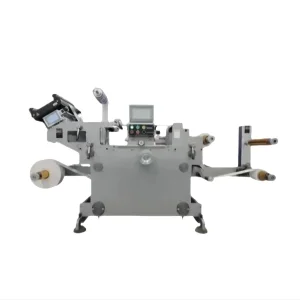
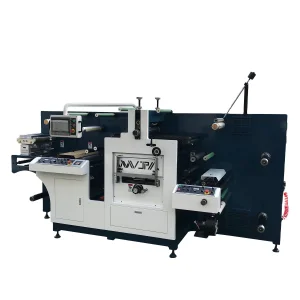
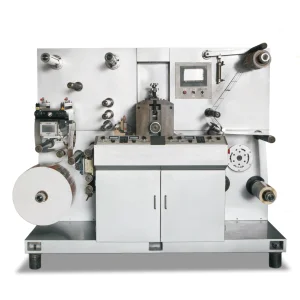
High-precision converting machines designed for adhesive labels, variable digital printing, and technical materials.
The global label converting market is undergoing a seismic paradigm shift. Traditional full-rotary tooling systems, while highly efficient for run lengths exceeding tens of thousands of meters, present significant bottlenecks for modern print shops handling fast-moving consumer goods (FMCG) and micro-runs. The need for flexible, fast-turnaround, and low-waste finishes has elevated the intermittent digital die-cutting machine to a critical asset in advanced production lines.
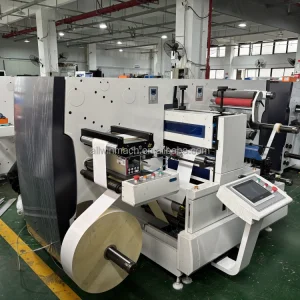
Intermittent (semi-rotary) motion solves the fundamental drawback of full-rotary processing. In a full-rotary system, every change in label repeat length requires changing the physical magnetic cylinder, which incurs steep tooling costs, extended downtime, and high storage space overheads. Intermittent systems, conversely, utilize a single cylinder of fixed size. The machine coordinates web tension and feed speed dynamically—advancing the substrate forward and pulling it back in a micro-synchronized loop. The cylinder continues rotating at a constant angular speed, but the material moves intermittently under the die-plate to register cuts precisely, regardless of label format or length.
By eliminating custom cylinder tooling, suppliers can configure runs instantly using digital setup systems. When combined with advanced optical inspection systems and modern servo drive technology, intermittent converting machines represent the apex of hybrid printing ecosystems, filling the gap between digital presses and post-press finishing lines.
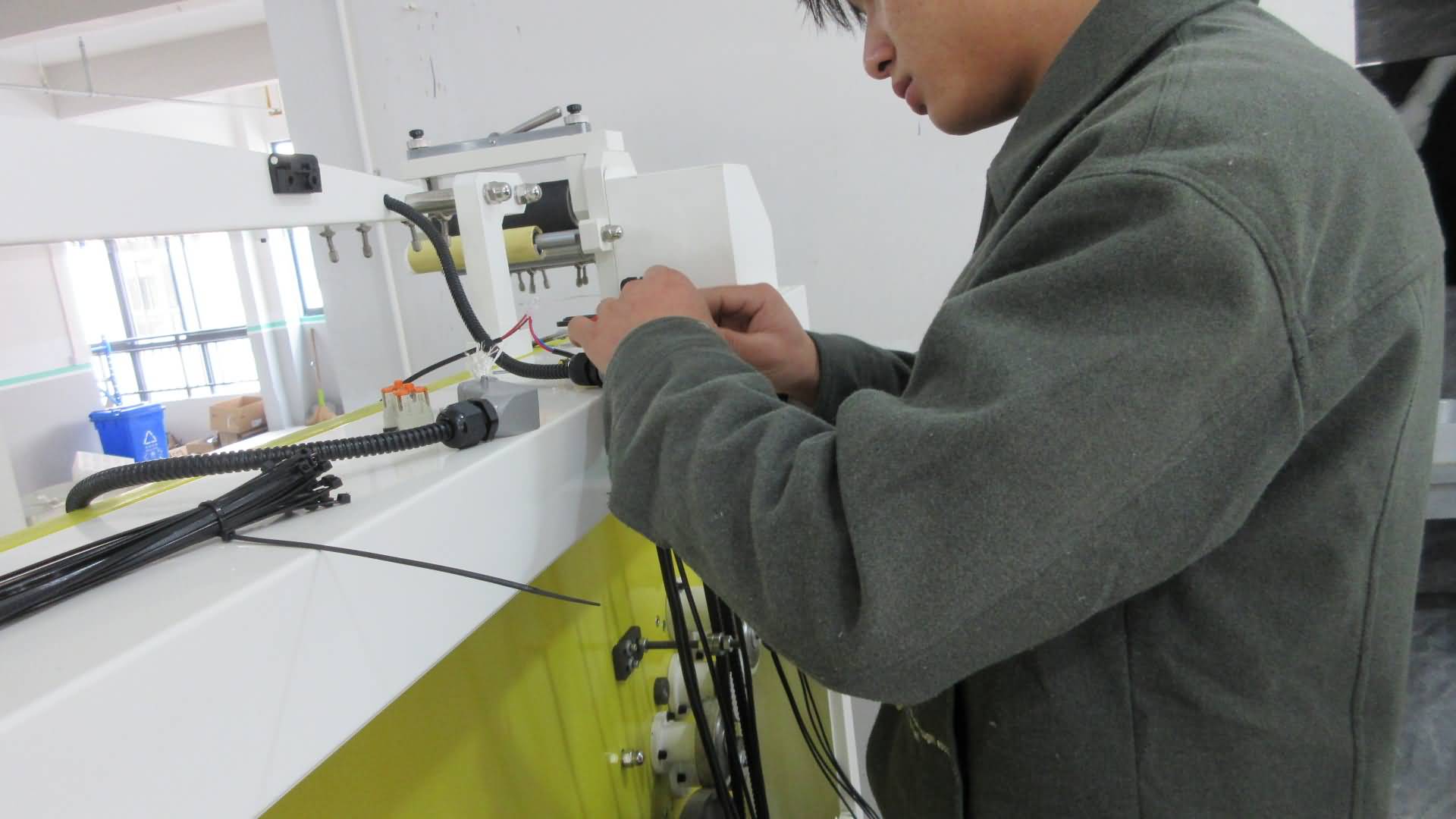
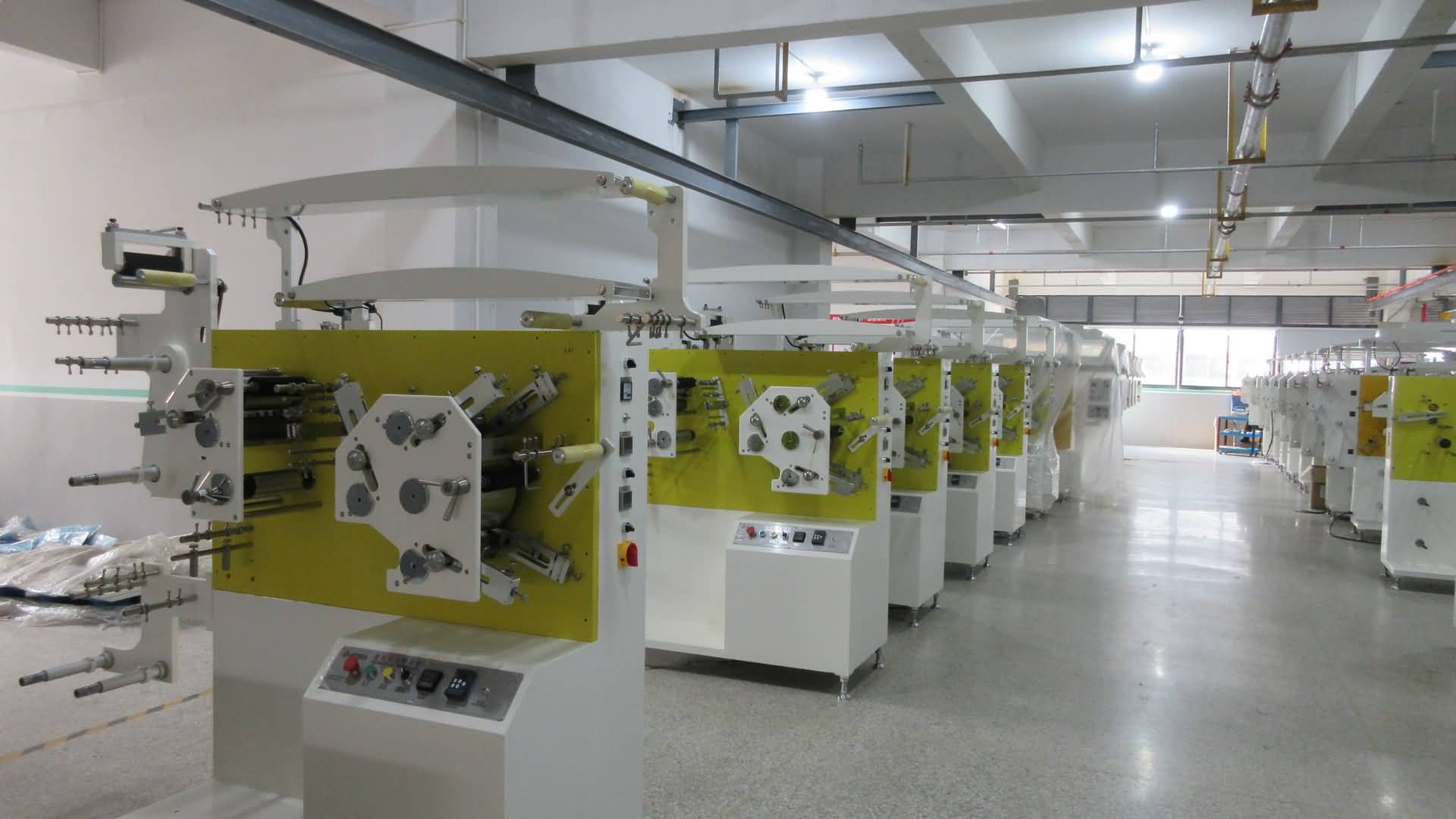
Guangdong Moveco Machine Co., Ltd. is a professional manufacturer specializing in the research, development, production, and sales of advanced label printing, converting, and finishing equipment. With years of industry experience, state-of-the-art manufacturing facilities, and a highly skilled engineering team, Moveco is committed to providing innovative, efficient, and reliable solutions for the global label printing industry.
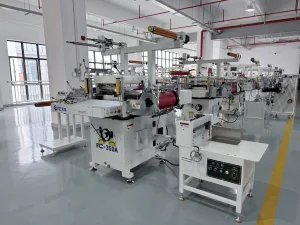
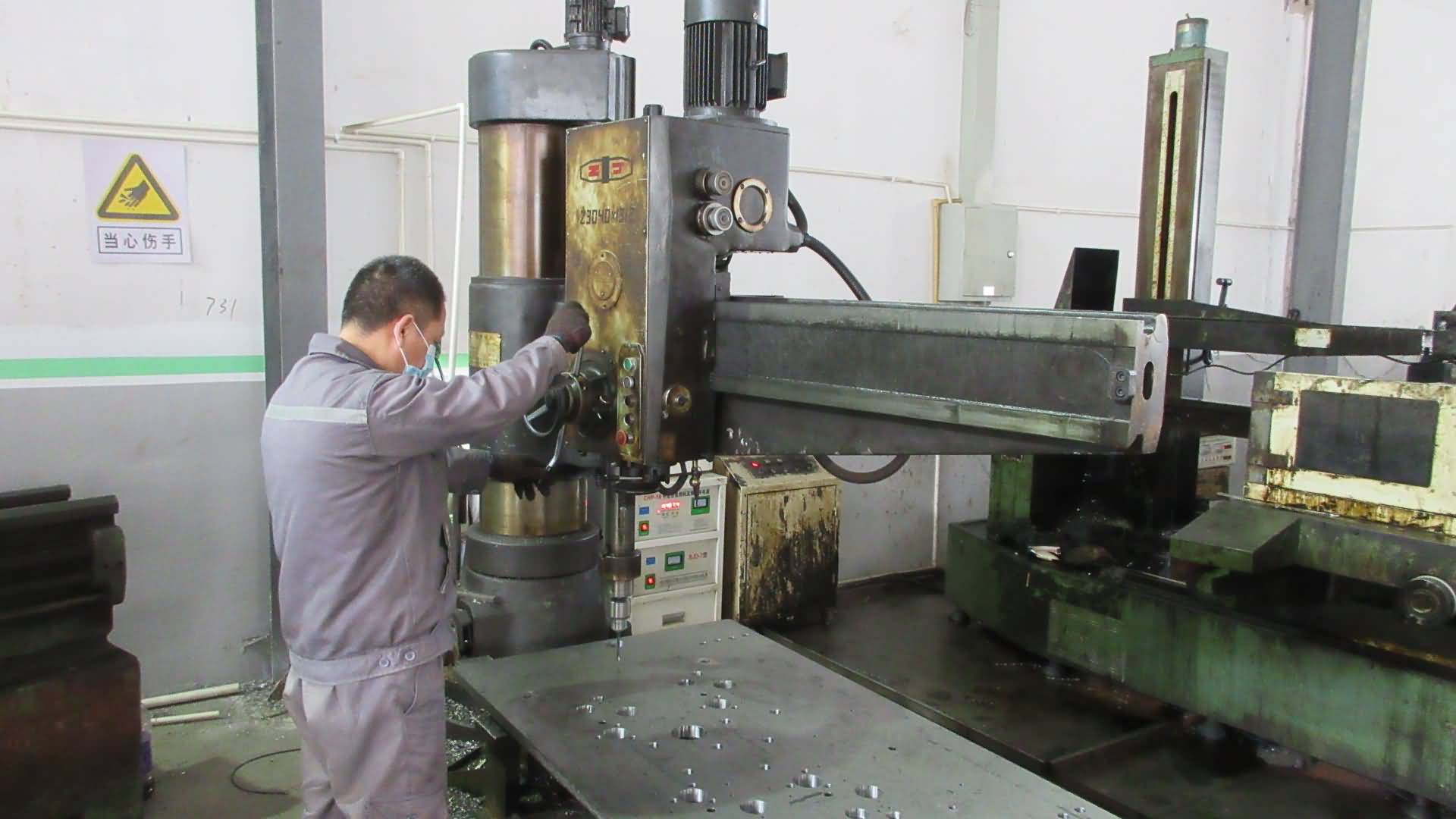
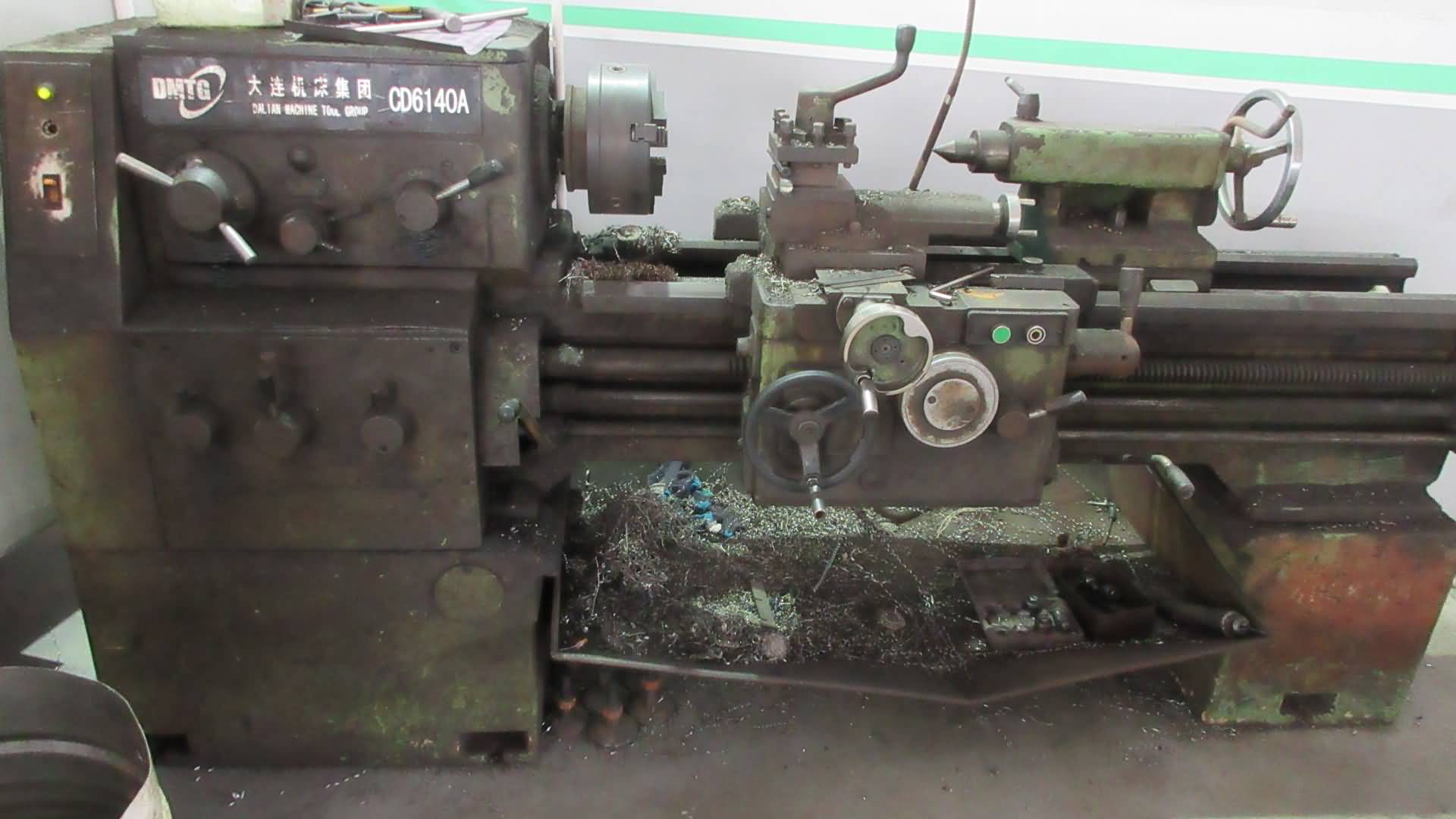
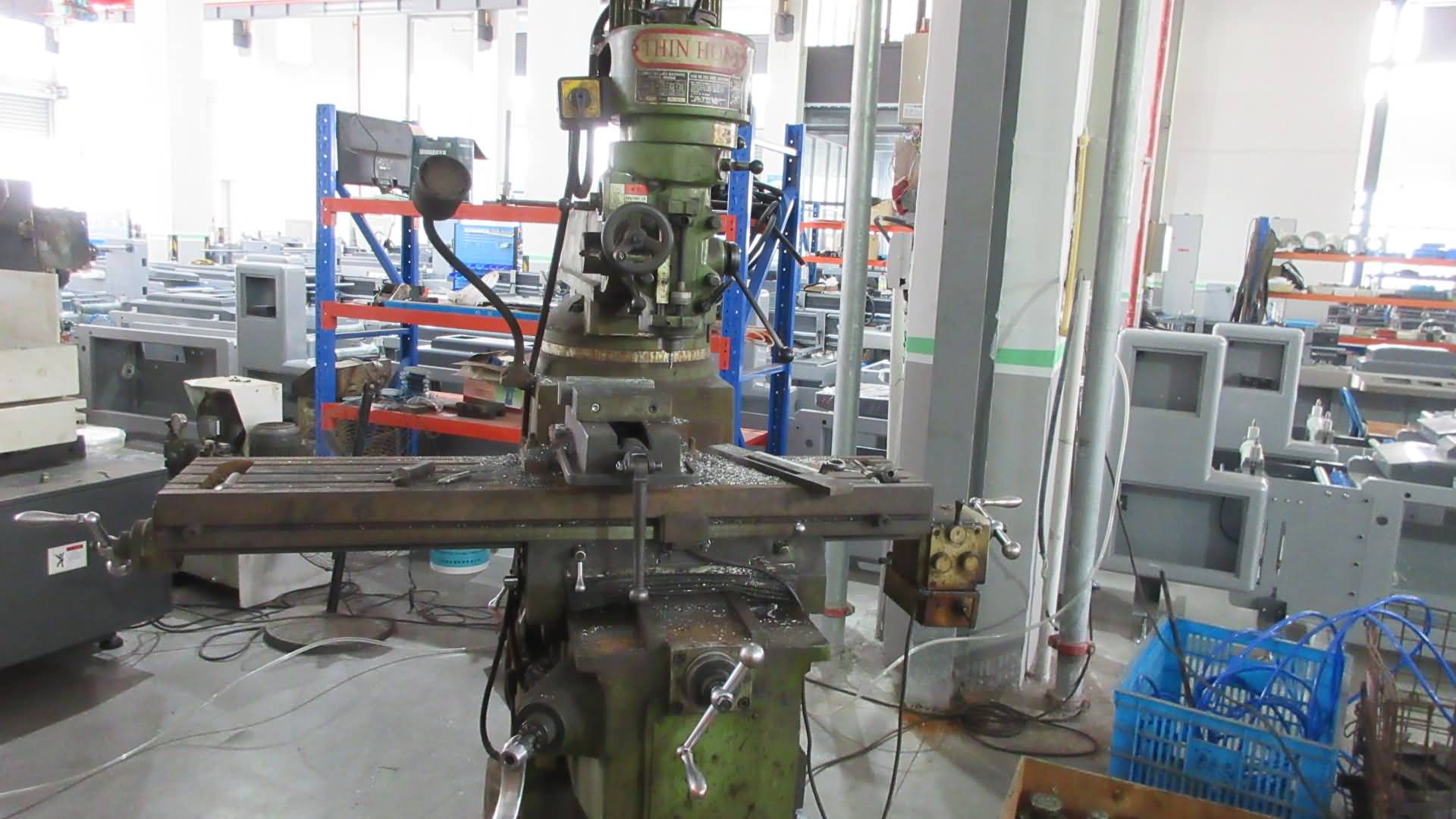
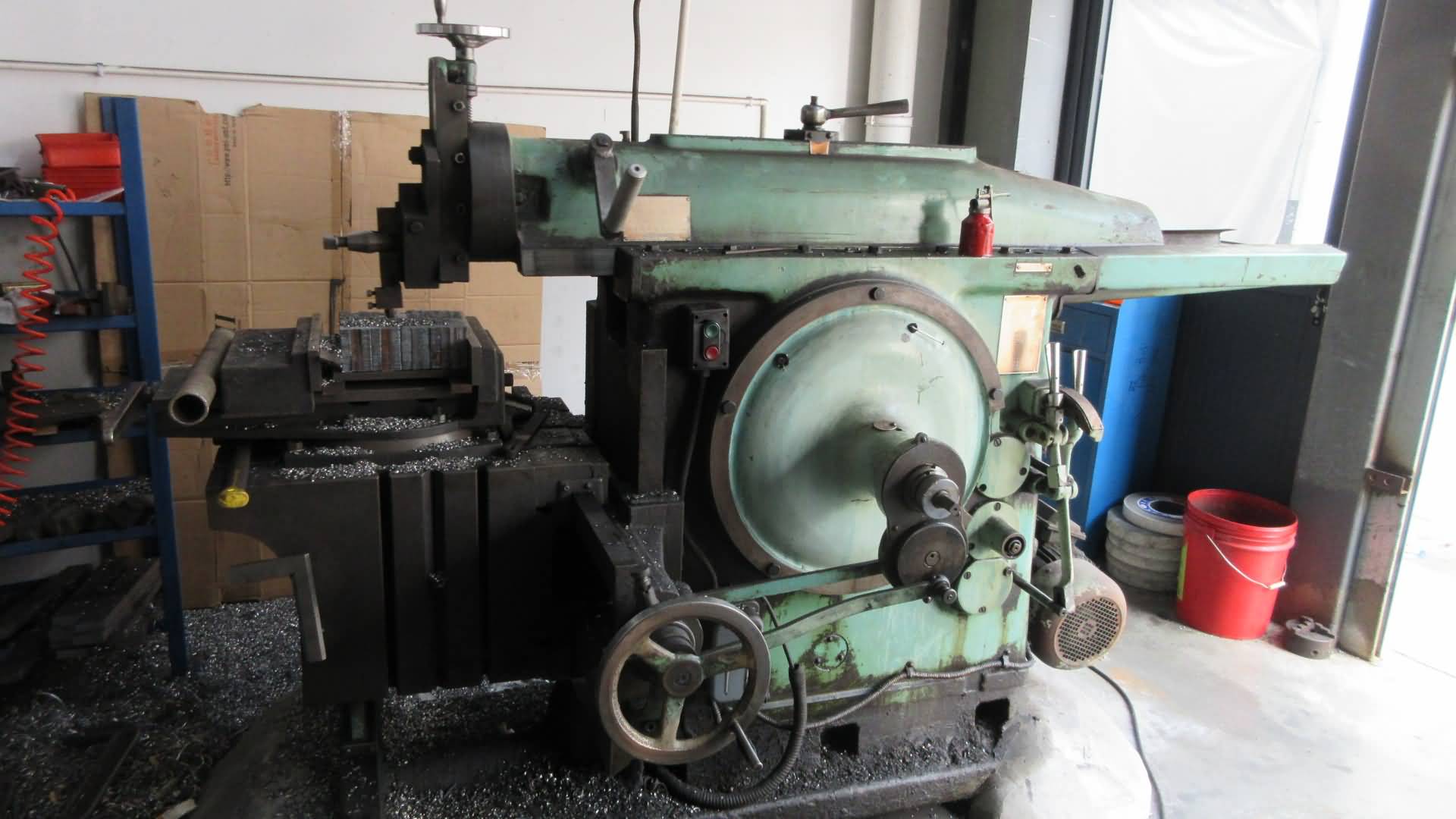
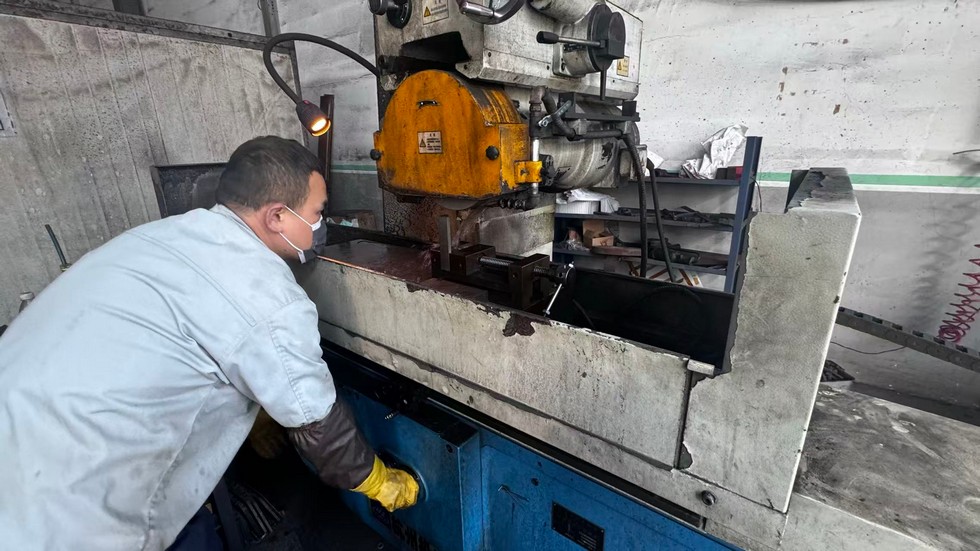
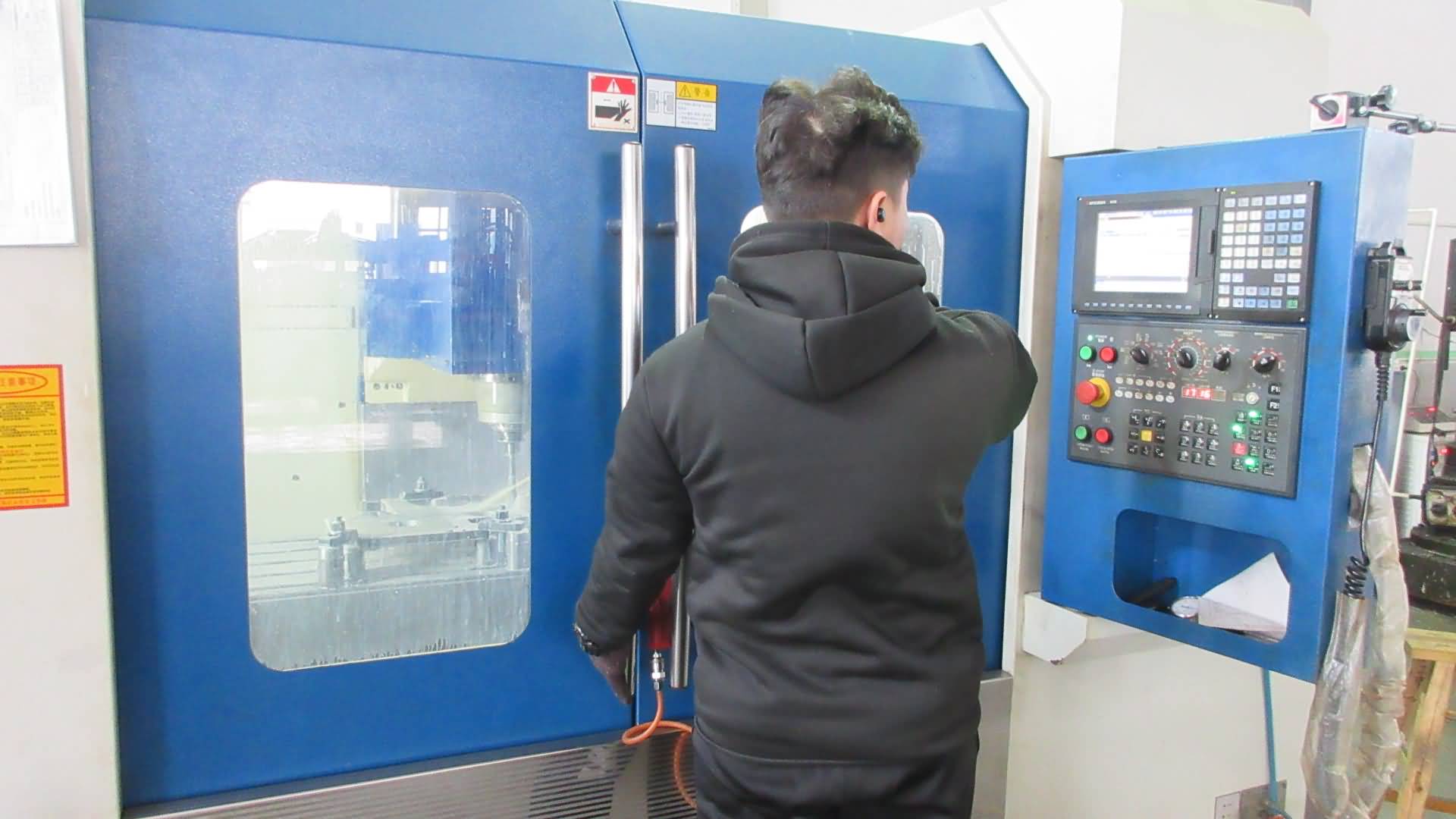
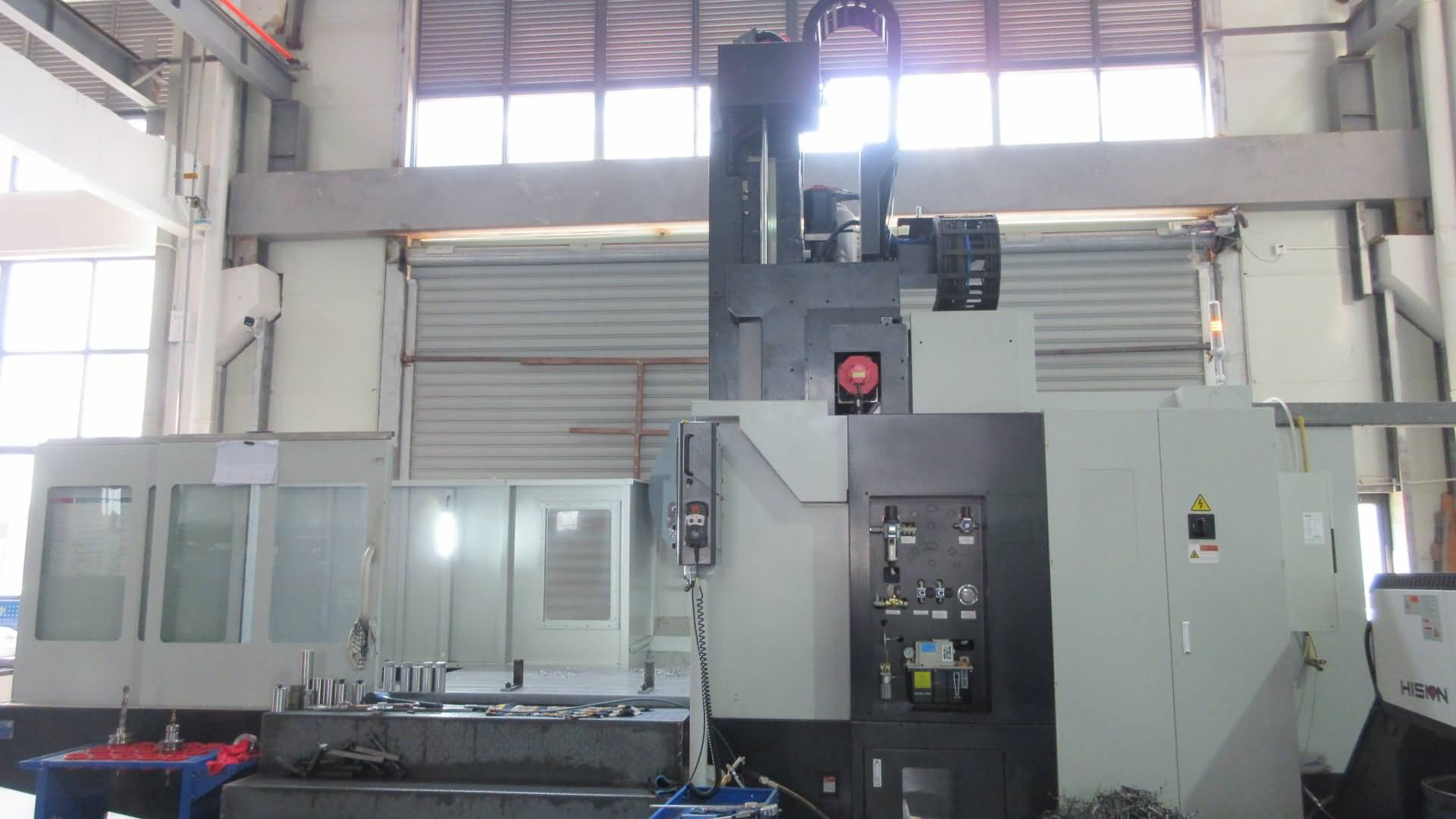
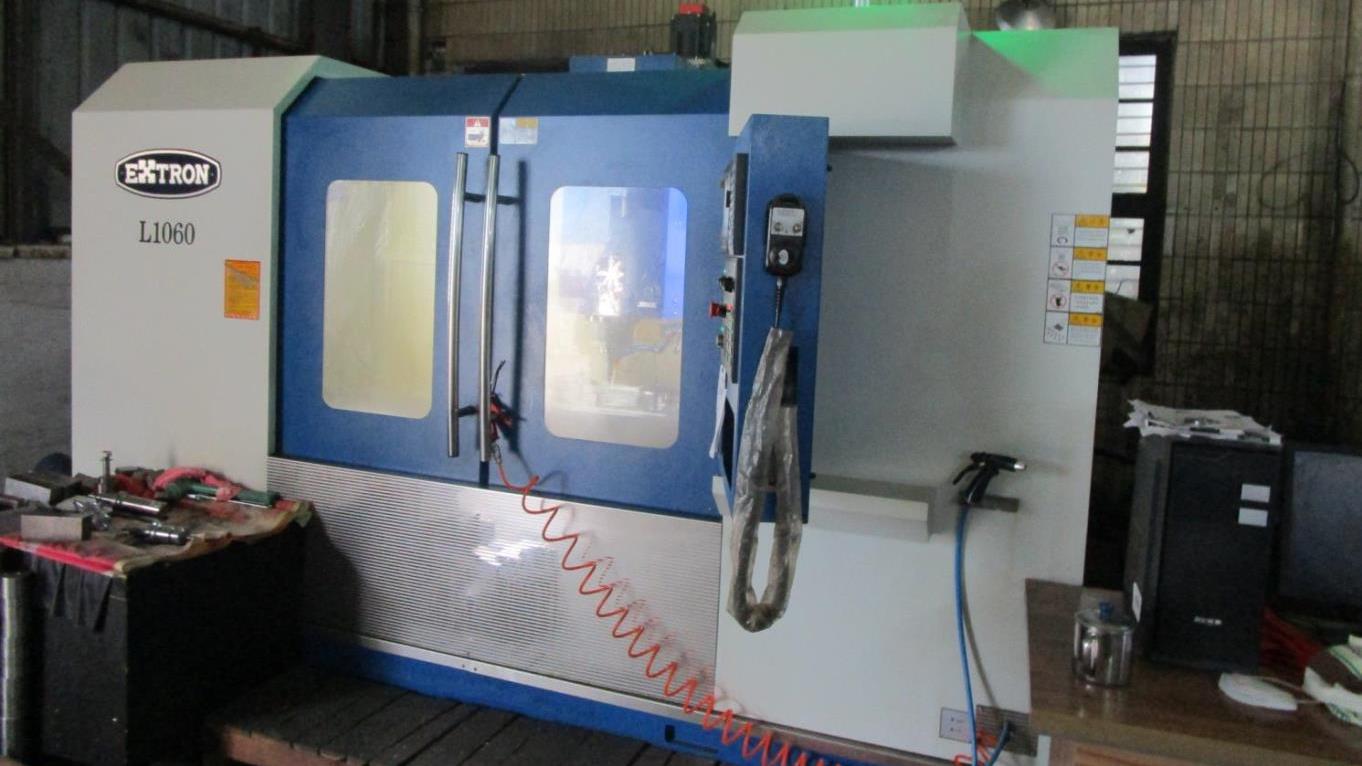
Our company has introduced advanced CNC machining equipment, including high-precision lathes, milling machines, grinding machines, and other precision processing systems. Supported by experienced technical professionals and a strict quality management system, every machine is manufactured to meet international quality standards, ensuring excellent performance, long service life, and reliable operation.
Moveco integrates advanced automation and intelligent control technologies into its equipment. Our machines are equipped with user-friendly touch-screen control systems, precision servo drive technology, and intelligent registration systems to achieve stable operation, accurate color registration, and high-speed production with outstanding printing quality. Different substrate tensions can be adjusted through the control interface, while automatic inking, washing, and quick-change cylinder systems significantly improve production efficiency and reduce downtime.
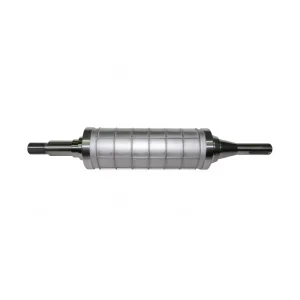
The main machine frame is manufactured through one-piece precision casting and undergoes annealing treatment to eliminate internal stress, ensuring exceptional structural stability and long-term accuracy. Key transmission components are driven by internationally recognized servo motors, providing high torque, low heat generation, minimal wear, and precise motion control. Surface-treated chrome-plated cylinders offer excellent scratch resistance, durability, and consistent printing performance.
Adhering to the philosophy of "Innovation, Quality, Efficiency, and Customer Success," Guangdong Moveco Machine Co., Ltd. continuously invests in technological development and product innovation. We are dedicated to providing customers with high-performance machinery, customized solutions, comprehensive technical support, and responsive after-sales service.
The global printing machinery landscape has transformed, with China emerging as the premier supply base for high-configuration packaging conversion hardware. When sourcing an intermittent digital die-cutter, partnering directly with leading Chinese suppliers like Guangdong Moveco offers distinct operational and structural benefits:
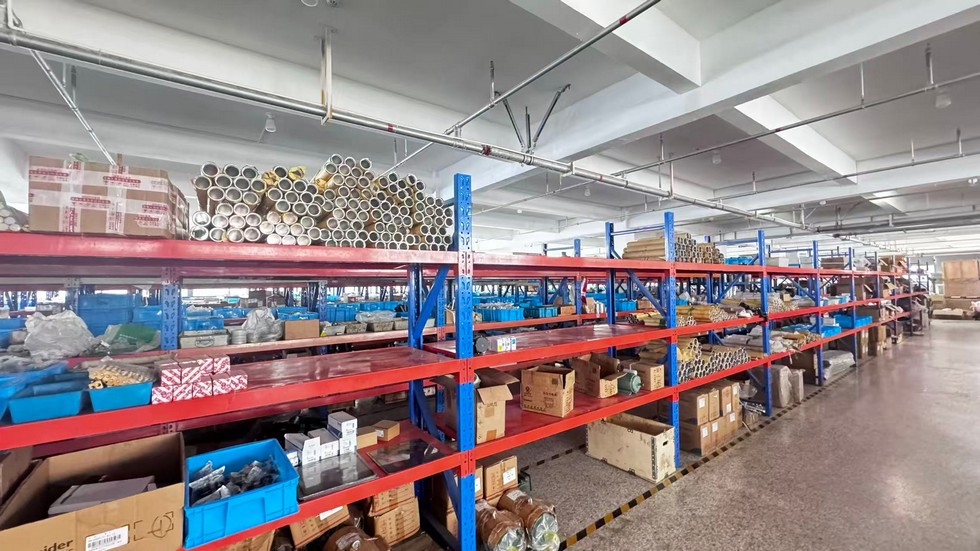
The concentration of heavy industrial engineering, electronic hardware providers, and precision toolmakers in Guangdong creates a highly localized supply chain. The proximity to raw metallurgy suppliers and high-grade casting foundries allows factories to perform in-house annealing, stress relief, and large gantry CNC grinding under strict monitoring.
Leading Chinese manufacturers utilize top-tier global components to match European design reliability. By standardizing controls around Mitsubishi PLC systems, Omron photo-sensors, and Schneider low-voltage components, manufacturers guarantee that replacement parts can be sourced locally anywhere in the world.
Unlike rigid Western suppliers who offer preset machine sizes, Chinese factories are designed for agile modifications. Whether integrating custom inline inline UV varnish modules, specialized cold foil stamping blocks, or customizing web-widths from 320mm to 550mm, engineering changes are implemented directly at the CAD design phase.
By coupling optimized manufacturing efficiency with the local availability of cast iron, CNC operations, and specialized engineering labor, Chinese factories supply machines with similar tolerances and output speeds as European competitors at a fraction of the cost, ensuring a rapid Return on Investment (ROI).
Modern digital label converters must handle a vast array of materials, from ultra-thin unsupported films to thick laminates and heavy industrial cardboards. A highly versatile intermittent die-cutting system is designed to provide clean, consistent cuts across multiple vertical sectors:
For modern retail packaging, cosmetics, and food & beverage labels, the combination of intermittent die-cutting with flexo-varnishing modules offers a clean, one-pass production setup. Integrated web-guiding and color tracking systems ensure that pre-printed roll stock from digital inkjet or dry-toner presses is cut with an error margin of less than ±0.1mm.
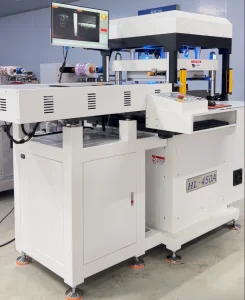
Consumer electronics require specialized, multi-layered die-cut components such as double-sided thermal tapes, protective PET overlays, dust-proof PVC gaskets, and structural EVA cushions. Multi-stroke high-speed machines like the HL-350A operate at up to 24,000 strokes/hour to satisfy tight design parameters and clean edges without generating delamination.
Medical conversion demands trace-free processing of medical dressings, adhesive bandages, and diagnostic test strips. Automated CCD vision alignment systems compensate for micro-shrinkage and material deformation on elastic substrates, achieving precision levels of ±0.02mm to meet stringent international quality control protocols.
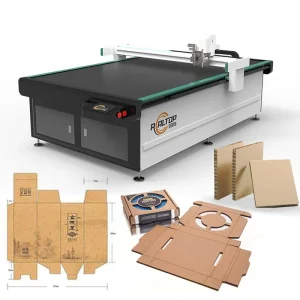
Heavy-duty packaging setups, such as custom pizza box lines and corrugated cardboard configurations, rely on robust rotary die-cutting systems with inline waste removal and packing features to deliver high volume output with minimal structural deformation.
To maintain long-term competitiveness, printing machinery buyers must monitor evolving technological trends. The future of conversion is built on integration, smart automation, and energy efficiency.
Engineered for structural reliability, high throughput, and complex multi-layered material designs.
Sourcing printing machinery requires evaluating complex technical parameters, long-term support networks, and manufacturing tolerances. Procurement teams can use this breakdown to systematically qualify factory partners:
In addition to technical parameters, evaluate the supplier's engineering quality assurance practices. Excellent manufacturers perform 72-hour dynamic mechanical runtime tests, high-speed thermal camera inspections of the gear assemblies, and provide detailed installation wiring schematics to guarantee seamless field installation.
Technical and logistical insights from our engineering and support departments.
 Moveco Machine