In the printing industry, understanding the nuances between rotary letterpress and flexo printing is essential. Both techniques offer unique advantages and applications. According to a recent report by PrintWeek, rotary letterpress is known for its high-quality, crisp prints, particularly on paper substrates. Flexo printing, on the other hand, excels in producing vibrant colors and is often preferred for packaging materials.
Expert Jane Doe, a renowned figure in print technology, articulates, "What is the difference between rotary letterpress and flexo printing? It's about the target application." Her insight underscores the significance of choosing the right method for specific projects. Flexo's versatility allows it to cater to various substrates, making it popular for labels and flexible packaging.
However, challenges exist in both methods. Rotary letterpress can be costly for short runs, while flexo printing may require extensive setup time for color adjustments. This complexity can lead to frustrations and require reflections on efficiency versus quality. Understanding the differences and applications of each printing technique is vital for industry professionals to make informed decisions.
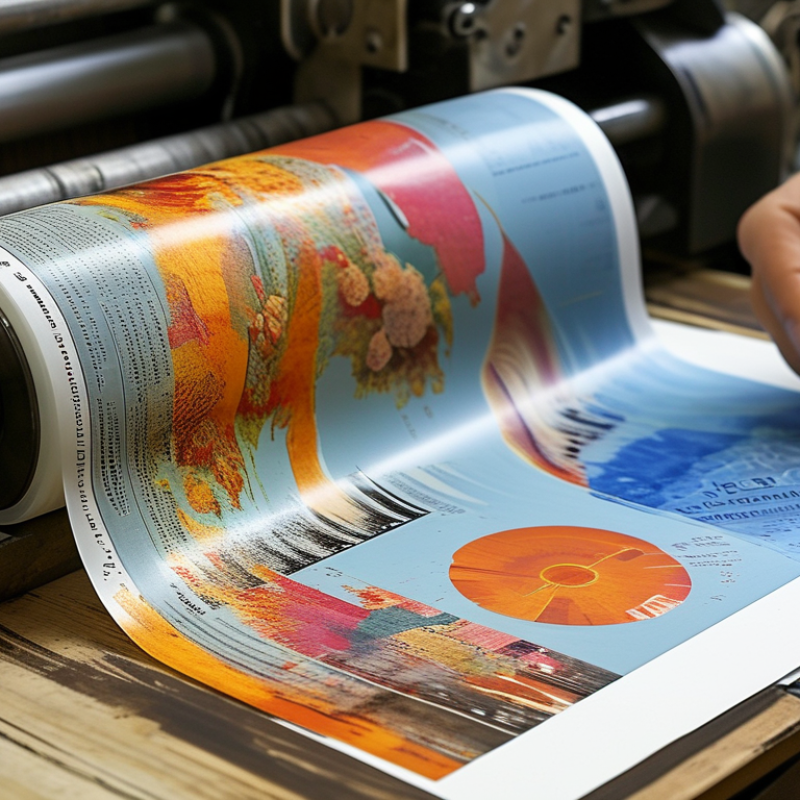
Rotary letterpress and flexo printing serve distinct needs in the printing industry. Rotary letterpress employs raised images on a cylindrical plate. This technique delivers sharp, high-quality prints. It's often used for intricate designs, offering rich textures. However, achieving consistent ink coverage can be challenging. Some operators may struggle with setup, which can lead to waste.
Flexo printing, on the other hand, uses flexible relief plates. It excels in speed and efficiency, making it ideal for large runs. The process accommodates various substrates, from paper to plastic. However, colors may not be as vibrant as rotary letterpress. This can pose a concern for projects that require precise color matching.
Both techniques have their strengths and weaknesses. Understanding these can help printers choose the right method for their project. It's essential to assess the specific requirements, such as design complexity and print volume. Making the right choice ensures that the final product meets expectations.
Rotary letterpress and flexo printing are both popular printing methods. Each has unique features that cater to different needs. Understanding their differences is essential for making an informed decision.
Rotary letterpress uses etched plates to create sharp images. This method excels in producing high-quality prints with vibrant colors. It works best for small run jobs and offers great precision. However, it may not be ideal for larger production due to slower speeds. On the other hand, flexo printing employs flexible relief plates. This allows for faster production runs and is suitable for a wide variety of substrates. It’s often used for packaging and labels.
Tip: Evaluate your project’s requirements before choosing a method. Can you sacrifice speed for quality, or is volume your priority?
The two methods have pros and cons. While rotary letterpress provides exceptional detail, it may need more time and cost. Conversely, flexo printing is efficient but may sometimes compromise on print quality. Understanding these aspects will guide your choice.
Tip: Reflect on past projects. What worked? What didn’t? This insight can help in future printing decisions.
Rotary letterpress printing has gained recognition for its unique advantages in modern production. This method offers a level of precision that often surpasses other printing techniques. According to industry reports, it maintains sharp image quality even at high speeds, making it ideal for large-volume jobs. The ink transfer process in rotary letterpress ensures a consistent finish, which is crucial for branding purposes.
While flexo printing is popular, rotary letterpress has distinct benefits. It utilizes a less aggressive process for substrates, suitable for delicate materials. This reduces the risk of damage during printing. Furthermore, rotary letterpress can achieve finer details and richer colors. A study by the Printing Industries of America shows that companies often report lower error rates when adopting rotary letterpress, enhancing overall productivity.
Tip: Consider your output volume. For larger runs, rotary letterpress can save both time and resources.
Another point to reflect on is the initial investment. Rotary letterpress machinery can be more expensive than flexo printers. That said, the long-term efficiency and quality often justify the cost. It's essential to analyze your printing needs carefully before deciding on the technology to adopt.
Tip: Evaluate the types of materials you usually print on. Rotary letterpress may provide an edge for specialized substrates.
Flexo printing has gained significant traction in recent years, especially for high-volume production. Industry reports indicate that flexography accounts for nearly 30% of all printing processes globally. Its ability to run at high speeds makes it a preferred choice for labels, flexible packaging, and corrugated containers. The efficiency of this printing method often leads to lower costs for bulk orders, creating opportunities for businesses to maximize profits.
One striking advantage of flexo printing is its versatility. It can print on a variety of substrates, including plastic, paper, and foil. According to recent studies, around 75% of flexo users report satisfaction with the process due to its adaptability. However, it's crucial to acknowledge that consistency can be a challenge. Variations in ink viscosity and substrate quality can affect print quality. Regular calibration and maintenance are vital to avoid issues.
Furthermore, while flexo printing champions speed, it may not excel in intricate designs. Some users note limitations with fine details compared to rotary letterpress. High-quality specifications can sometimes be compromised. Businesses must weigh these factors carefully when choosing the most suitable printing method for their needs. The balance between speed, quality, and cost remains a crucial consideration in the decision-making process.
When comparing rotary letterpress and flexo printing, it's crucial to understand their applications. Rotary letterpress is often used for high-quality printing. This includes stationery, invitations, and limited edition prints. The tactile feel of letterpress makes it ideal for luxury items. On the other hand, flexo printing excels in packaging. It is commonly used for labels, bags, and cartons. This technique supports a variety of substrates, enhancing versatility.
Tips for selecting the right method include assessing the project’s scale. For smaller runs with detailed designs, rotary letterpress might be the better choice. Flexo is preferable for larger quantities where speed and efficiency matter. Also, consider the final use of the printed piece. If durability is key, flexo printing holds up better in harsh conditions.
Another point to consider is cost-effectiveness. Rotary letterpress can be more expensive due to its labor-intensive process. Flexo allows for faster production, which reduces costs over time. However, the quality of rotary letterpress is hard to match. Balancing quality and budget is essential for any project. Understanding these nuances will guide your decision.
This chart compares the applications and industry use cases for Rotary Letterpress and Flexo Printing in various sectors.
: Rotary letterpress printing uses raised images on a cylindrical plate. It produces sharp, high-quality prints.
It offers precision, consistent finish, and better quality for intricate designs. Many users report lower error rates.
Rotary letterpress is ideal for detail and texture. Flexo printing is faster but less vibrant in color.
Achieving consistent ink coverage can be difficult. Setup issues may lead to wasted materials during printing.
It's best for large-volume jobs that require precision and sharp image quality, particularly on delicate substrates.
Assess your output volume and materials. Rotary letterpress may justify its cost with long-term efficiency and quality.
While effective on various materials, it works best on delicate substrates, minimizing the risk of damage.
Yes, the machinery can be costly. However, the benefits often outweigh the initial investment in the long run.
The article "2026 Best Guide to Rotary Letterpress vs Flexo Printing" provides an in-depth analysis of two popular printing techniques: rotary letterpress and flexo printing. It begins with an overview of each method, highlighting their unique features and applications. The key differences between rotary letterpress and flexo printing are explored, emphasizing factors such as print quality, setup costs, and speed of production.
Rotary letterpress is noted for its ability to produce high-quality images with detailed designs, making it ideal for specialty printing jobs. On the other hand, flexo printing shines in high-volume production due to its fast printing capabilities and efficiency on various substrates. The article also discusses application scenarios and industry use cases for each method, aiding readers in determining the most suitable option for their printing needs. Overall, this comprehensive guide effectively answers the question, "what is the difference between rotary letterpress and flexo printing," enabling informed decisions in the printing industry.

Moveco Machine