Die cutting is a crucial process in the manufacturing sector, particularly in the packaging and printing industries. According to a report from Smithers Pira, die cutting is projected to grow at a CAGR of 4.2% through 2024. However, depth inconsistencies can lead to waste and inefficiency. Many industries face challenges in maintaining optimal die-cutting depth on high-speed machines. Understanding how to fix die-cutting depth inconsistencies on high-speed machines is essential for maximizing production.
Manufacturers often encounter variations in cutting depth due to sharpness, pressure, and machine speed. Inconsistent cutting can result in misaligned products and impact quality. A study by the Association for Manufacturing Technology highlighted that nearly 25% of production costs stem from rework caused by such issues. Recognizing these challenges and seeking effective solutions is vital for operational success.
Addressing this problem requires an in-depth understanding of machine calibration and materials. Adopting best practices in maintenance and adjustment can significantly reduce discrepancies. It’s important to reflect on existing processes to identify potential areas for improvement. Ultimately, developing strategies to ensure consistent die cutting depth is crucial for meeting production demands and maintaining competitive advantage.
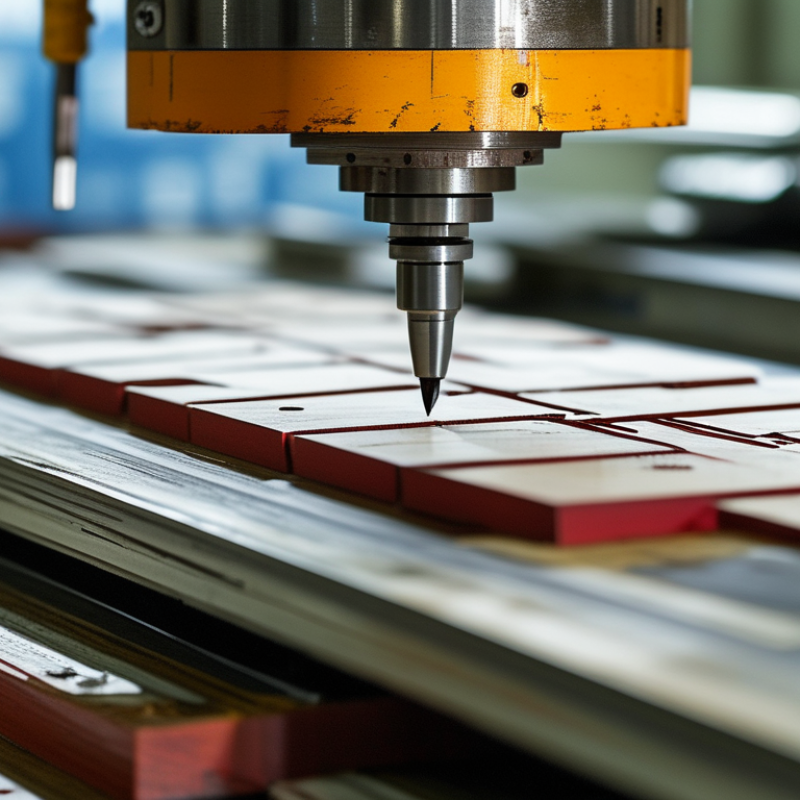
Die cutting depth inconsistencies can significantly impact production quality. Inconsistent depth often leads to issues such as incomplete cuts or overcutting, which can waste materials and time. According to a recent industry report, around 35% of die cutting errors are attributed to variances in depth settings alone. These inaccuracies stem from factors like worn cutting dies, improper machine calibration, and fluctuating material thickness.
To better understand these inconsistencies, it is crucial to examine each factor closely. Worn dies can lose their sharpness, leading to uneven cuts. Proper maintenance schedules can reduce this issue. Furthermore, machine calibration is essential. A 2022 study highlighted that a mere 0.5 mm deviation in the cutting depth could alter the product integrity, especially in high-precision applications. Unpredictable material thickness adds another layer of complexity. When the substrate varies, the machine may struggle to maintain a consistent depth.
Despite possessing high-quality equipment, die cutting operators must remain vigilant. Human error, such as misreading settings, can also contribute to depth issues. Regular training and a robust quality control process are necessary to mitigate these inconsistencies. Only through ongoing scrutiny and adaptation can the industry strive for improved die cutting precision and elevated workflow efficiency.
: Common causes include pressure variations, worn dies, material thickness, misalignment, and cutting surface conditions.
If the pressure is too high or too low, it can result in uneven cuts or incomplete designs.
Worn or damaged dies produce inconsistent results. Regular inspection helps prevent cutting issues.
Different material thickness can lead to different cutting depths, causing inconsistencies in the final product.
A calibrated depth gauge is essential for precise measurements. Ensure it's regularly checked for accuracy.
Experiment with varying pressures and take notes. This practice helps refine your cutting process over time.
A worn or uneven cutting mat can cause inconsistencies. Keep surfaces clean and well-maintained.
Misaligned material can create unwanted differences in depth. Always ensure proper alignment before cutting.
Maintain a reference guide for various substrates. This helps streamline setups and improves cutting accuracy.
Frequent reflection on techniques is vital. It can lead to improvements, making perfection a continuous journey.
Die cutting depth inconsistencies can significantly affect the quality of production processes, especially in high-speed machines. Understanding these inconsistencies involves identifying their common causes, such as improper settings, worn tools, and material variances. To address these issues effectively, it is crucial to learn how to fix die-cutting depth inconsistencies on high speed machines through various techniques. These techniques include accurately setting the cutting depth, utilizing precise tools and equipment, and conducting regular maintenance checks.
Incorporating best practices for maintenance can further prevent depth issues from arising. Consistent monitoring and calibration of equipment, along with regular tool replacement and adjustment, can enhance overall performance. By implementing these strategies, operators can ensure a smoother die cutting process, leading to higher efficiency and product quality in their operations.

 Moveco Machine