Short-run label orders leave little room for waste. What are the main advantages of intermittent PS plate printing for short runs? The answer usually begins with setup time, material use, and control over frequent job changes. FINAT’s RADAR reports track changing conditions in the label-converting sector, while Smithers’ label-market research examines technology and production trends. Together, these sources offer useful context; they do not, by themselves, prove that one press suits every shop.
On an intermittent press, the web advances between print cycles, allowing the operator to print and convert labels in repeated sections. For short jobs, that format can reduce setup burden and help limit unused stock during changeovers. It can also support precise registration on compact label layouts. That matters. A shorter run does not automatically mean a cheaper run; plate preparation, tooling, operator skill, and substrate choice still shape the final cost.
Label-industry analyst Mike Fairley has written extensively about label production and converting. I cannot verify a direct quotation from him on this specific question, so I will not invent one. A practical point remains: judge the press by total job economics, not headline speed alone. Count setup minutes, spoiled labels, changeover frequency, and finishing steps. Setup time counts. Intermittent PS plate printing can be a strong fit when jobs are small and varied, though its advantages deserve checking against real production records.
What Is Intermittent PS Plate Printing for Short Runs?
Intermittent PS plate printing for short runs uses presensitized aluminum plates for limited quantities of offset printing. Each job receives a prepared plate, exposed with the required artwork, processed, and mounted on the press. “Intermittent” means the press handles separate, smaller batches instead of one long production cycle. This suits menus, event cards, product inserts, and local campaign materials that may change frequently.
In practical production, the main advantage is control. A printer can adjust paper size, ink density, and artwork between jobs without committing to thousands of copies. Short setup periods also reduce unnecessary stock, especially when text or pricing may change. Fine type remains sharp, while solid color areas can appear smooth on suitable paper. Experienced operators still check plate exposure, dampening balance, registration, and drying conditions. Small errors show quickly.
The method is not magic.
Plate preparation requires time, chemicals, equipment, and trained handling. Very small orders may cost more per sheet than digital printing. Repeated job changes can also create waste if registration drifts or the first sheets are misjudged. A careful press check helps. In 2026, businesses using this process should compare setup time, revision frequency, paper choice, and required quantity before production. One overlooked detail remains important: the cheapest plate is not always the most reliable plate.
How the Intermittent PS Plate Printing Process Works
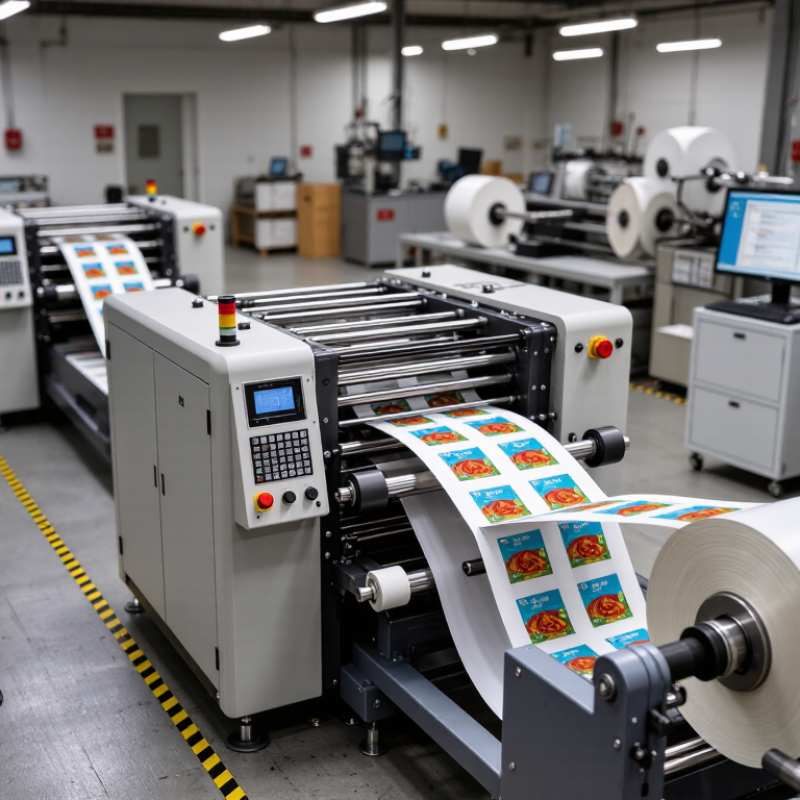
Intermittent PS plate printing uses a stop-and-go web movement for short-run label production. The press advances the substrate, pauses it, and prints one accurately registered image. Then, the web indexes forward again. A prepress operator exposes the image onto a presensitized plate, processes it, and mounts it on the plate cylinder. During each pause, ink transfers through the plate, blanket, and impression cylinder. Servo controls keep text, colors, and die-cut areas aligned.
The process suits variable quantities because plates can be prepared quickly and changed without rebuilding a long production setup. On the press floor, operators check plate pressure, ink-water balance, substrate tension, and drying energy. Small errors matter. A slight plate distortion can shift fine type or barcode edges. That remains a practical weakness.
Smithers’ 2024 packaging print analysis projects digital packaging print to reach about 22.9 billion dollars by 2028, showing stronger demand for flexible, economical short-run methods. FINAT’s 2024 Radar also reported continuing pressure on European label converters from lower volumes and frequent job changes. These conditions make intermittent printing useful where waste control and repeatable registration matter. However, reported market growth does not remove setup waste. A poorly prepared plate can still consume material before the first acceptable sheet. Experienced teams therefore inspect the plate under magnification, verify register marks, and record pressure settings for the next run. Small records help.
Key Benefits for Short-Run Packaging and Label Production
Intermittent PS plate printing offers practical advantages for short-run packaging and label production. Its compact plate setup can reduce preparation time when artwork changes frequently. This matters for seasonal labels, local promotions, and limited product releases. Less setup waste may also protect narrow production budgets.
Every sheet counts.
In daily production, operators can check registration, ink density, and small text before the full run continues. PS plates can deliver sharp type, clean lines, and steady color when press settings remain controlled. They also work well with common paper and selected synthetic label stocks. Short runs become easier to schedule because jobs can move through the press without lengthy changeovers. This can help printers respond to smaller orders without storing excess packaging.
The process is not a magic fix. A rushed plate setup can still create registration errors or uneven solids. Material choice, drying conditions, and operator experience remain important. I have found that a physical proof often reveals problems that appear minor on screen. Fine reverse text may close up. Pale colors may look weaker on the actual stock. Reviewing these details early can prevent avoidable reprints. The strongest results come from combining efficient intermittent printing with careful prepress checks, realistic color expectations, and disciplined press monitoring.
2026 Top Benefits of Intermittent PS Plate Printing for Short Runs
Key benefits for short-run packaging and label production, based on a planning model using a 400 mm conventional plate length versus a 250 mm intermittent plate length.
The estimated 37.5% plate-area saving is calculated from the shorter plate length: (400 − 250) ÷ 400. Lower plate consumption can reduce material cost, storage needs and setup waste on short production runs. Actual results vary with press format, repeat length, plate thickness and job configuration.
Cost, Waste, and Productivity Considerations in 2026
2026 Top Benefits of Intermittent PS Plate Printing for Short Runs
In a small commercial printroom, short runs often expose hidden costs. Plate preparation, paper setup, ink adjustment, and cleanup can consume more time than printing. Intermittent PS plate printing can reduce these losses when jobs are grouped carefully. A 500-copy order may need fewer wasted sheets after registration becomes stable. That matters when paper prices and disposal charges continue rising. The savings are real, but not automatic.
Waste control depends on disciplined setup. Operators can inspect the first sheets under consistent lighting and record registration adjustments. Reusing reliable settings for similar stocks may shorten makeready time. Shorter runs also reduce leftover printed inventory, which can become obsolete after a small design change. Less waste. Better control. However, plate materials, chemistry, and labor still carry fixed costs. A very small order may remain expensive per copy.
Productivity improves when production planning matches equipment capability. Grouping jobs with similar paper weights can limit wash-up and drying delays. Digital job records also help operators repeat common specifications with fewer guesses. From practical workflow reviews, this consistency often matters more than raw press speed. Still, the calculation is imperfect. Unexpected color corrections or damaged sheets can erase planned gains. A monthly review of setup minutes, spoiled sheets, energy use, and labor hours gives a more honest view of performance.
2026 Top Benefits of Intermittent PS Plate Printing for Short Runs
Cost, Waste, and Productivity Considerations in 2026 — illustrative comparison with a digital short-run workflow
| Good Copies in Run |
PS Plate Estimated Total Cost |
Digital Estimated Total Cost |
PS Makeready Waste |
PS Estimated Production Time |
PS Cost Difference vs. Digital |
| 500 |
$122.50 |
$116.00 |
100 sheets |
38 minutes |
+$6.50 (higher) |
| 1,000 |
$190.00 |
$226.00 |
100 sheets |
45 minutes |
$36.00 saved |
| 2,500 |
$392.50 |
$556.00 |
100 sheets |
68 minutes |
$163.50 saved |
Planning assumptions: This is a transparent scenario model, not an independently measured 2026 industry benchmark or supplier quotation. It assumes a PS plate setup charge of $45 per job, variable printing cost of $0.035 per good copy, 100 makeready sheets, and a press rate of 4,000 sheets per hour after 30 minutes of setup. The digital comparison assumes $5 setup, $0.12 per good copy, 10 makeready sheets, and 1,000 copies per hour after 10 minutes of setup. Both estimates include stock at $0.10 per sheet, including makeready sheets, and exclude labor, finishing, freight, taxes, and other overhead. Under these assumptions, the modeled cost crossover is approximately 577 copies; actual results vary with equipment, stock, job specifications, and local pricing.
How to Choose the Right Intermittent PS Plate Printing Method
Choosing an intermittent PS plate method starts with the job, not the press speed. Check order quantity, repeat length, label stock, and finishing needs. Intermittent presses advance the web in steps, which can suit short runs and frequent artwork changes. But each setup still needs plate preparation and make-ready time. A tiny order may not benefit if setup consumes too much of the schedule.
Smithers’ The Future of Labels and Release Liners to 2028 estimates global label demand at 72.3 billion square metres in 2022, with growth projected at 3.2% annually through 2028. That scale points to varied production needs, not one universal process. Compare intermittent printing with alternatives using your own job history: record setup minutes, substrate waste, registration adjustments, and usable output. A paper estimate can miss the awkward first few metres.
Ask the printer for a live trial using the actual stock, adhesive, and finishing sequence. Inspect small text, solid coverage, fine rules, and color consistency under normal viewing light. Then compare the accepted labels, not just press speed. A short test helps. Yet one successful run is not proof that every repeat will behave identically; humidity, operator adjustments, and material variation still matter. If the schedule is tight, leave room for a second setup attempt.
Conclusion
Intermittent PS plate printing is a plate-based approach suited to short packaging and label jobs, where controlled print cycles help produce repeatable results without requiring a continuous high-volume run. The process involves preparing the plate and press for the selected design, feeding the material through the printing unit, and coordinating each cycle with the substrate and finishing requirements. Understanding what are the main advantages of intermittent PS plate printing for short runs begins with its ability to support flexible job changes, consistent image quality, and efficient production of smaller quantities.
In 2026, its practical value depends on balancing setup time, plate preparation, material use, and press speed. Careful planning can reduce unnecessary waste and keep changeovers manageable, while clear job specifications help maintain productivity. When choosing a method, consider run length, artwork complexity, substrate, required finish, turnaround expectations, and the equipment available. Comparing these factors helps determine whether intermittent printing offers the right balance of cost, quality, and flexibility for a particular short-run project.

 Moveco Machine