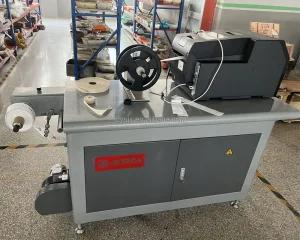
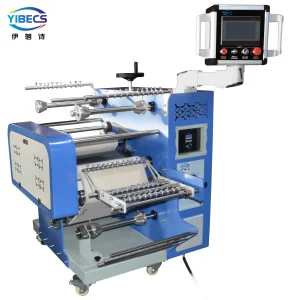
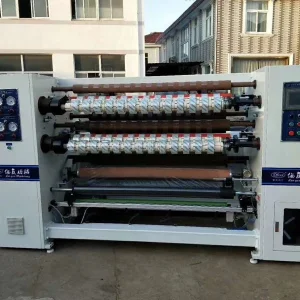
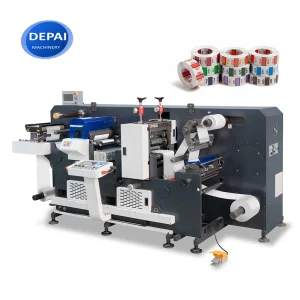
In the hyper-competitive global label printing and converting landscape, success is no longer defined solely by raw machine speed. With the rapid rise of short-run jobs, personalized SKUs, and just-in-time delivery models, print shops spend more time preparing machines than actual running production. Overall Equipment Effectiveness (OEE) suffers significantly when setups take hours. This has made the adoption of Quick Changeover Printing Equipment a critical benchmark for modern printing plants.
Derived from the lean manufacturing philosophy of SMED (Single-Minute Exchange of Die), quick changeover in label converting represents engineering systems that allow operators to shift printing tasks—such as changing plate cylinders, updating substrates, swapping inks, and realigning rotary magnetic cutting dies—in under 10 minutes. By integrating toolless lockups, preset sleeve technologies, and smart registration memory, changeovers become predictable, safe, and highly repeatable actions that minimize start-up waste.
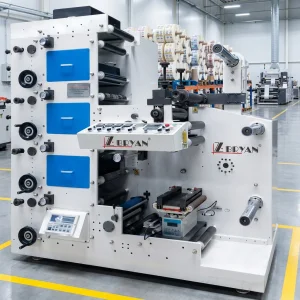
Guangdong Moveco Machine Co., Ltd. is at the forefront of this industrial transformation. As a dedicated manufacturer specializing in high-grade label printing, converting, and finishing machinery, Moveco integrates robust heavy-duty frames with state-of-the-art automation. This ensures that changeover-induced downtime is minimized, allowing global manufacturers to maximize margins even on runs of fewer than 1,000 meters.
A common point of failure on quick-change machines is the structural integrity of the frame. Under intermittent tensions and high speeds (up to 100 meters/min), micro-vibrations can compromise registration alignments. Guangdong Moveco overcomes this hurdle by manufacturing the main machine frame through a proprietary one-piece precision casting process, which is then subjected to specialized thermal annealing to eliminate internal structural stresses. Without this critical engineering step, frames are prone to microscopic warping over time, which invalidates automatic registration configurations and forces manual intervention—rendering "quick-change" systems useless.
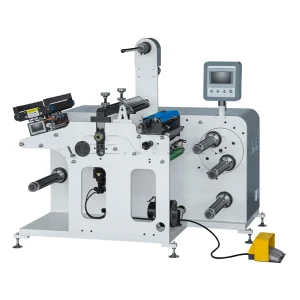
Transitioning to quick changeovers requires shifting the burden of micro-adjustments from the machine operator to automated electronic systems. By incorporating multi-axis independent servo drives into the print stations and rotary die-cutting systems, Moveco machinery retains exact geometric positioning. Tension control is executed dynamically through user-friendly touchscreens, allowing automatic calculation of tension profiles matching various substrates—from delicate films to heavy cotton tapes.
High-precision changeovers are only possible when mechanical clearances are held to micron-level tolerances. Explore the raw material processing, precision machining, and strict validation workflow at Guangdong Moveco.
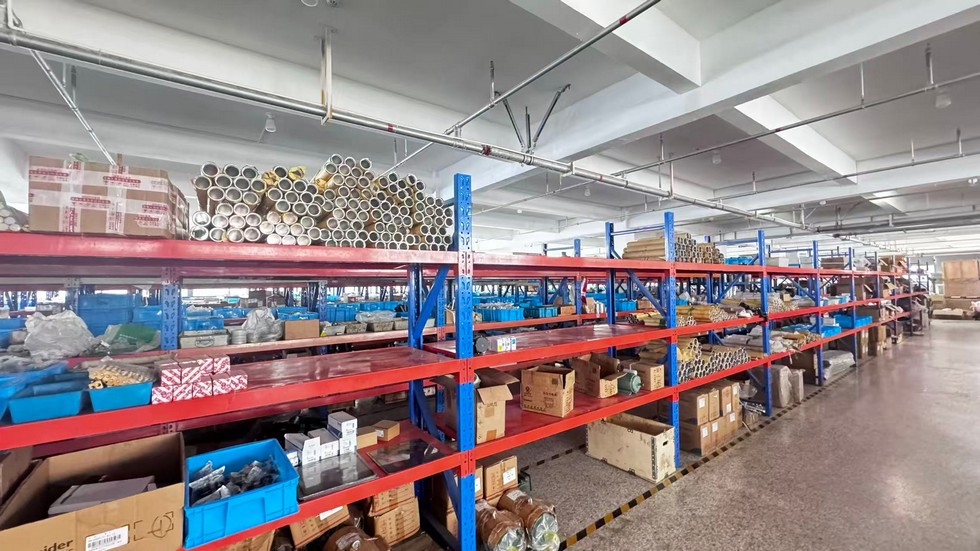
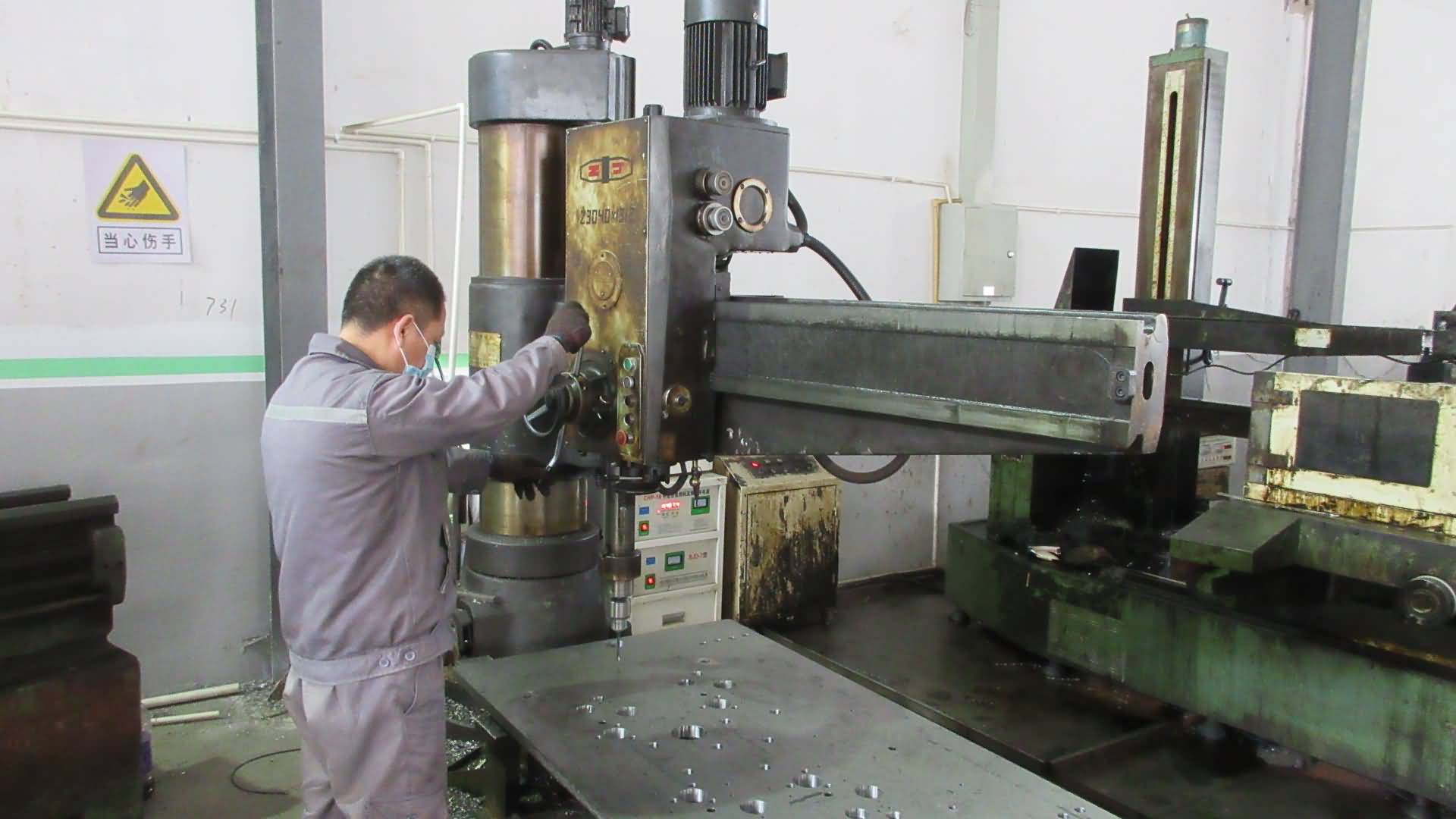
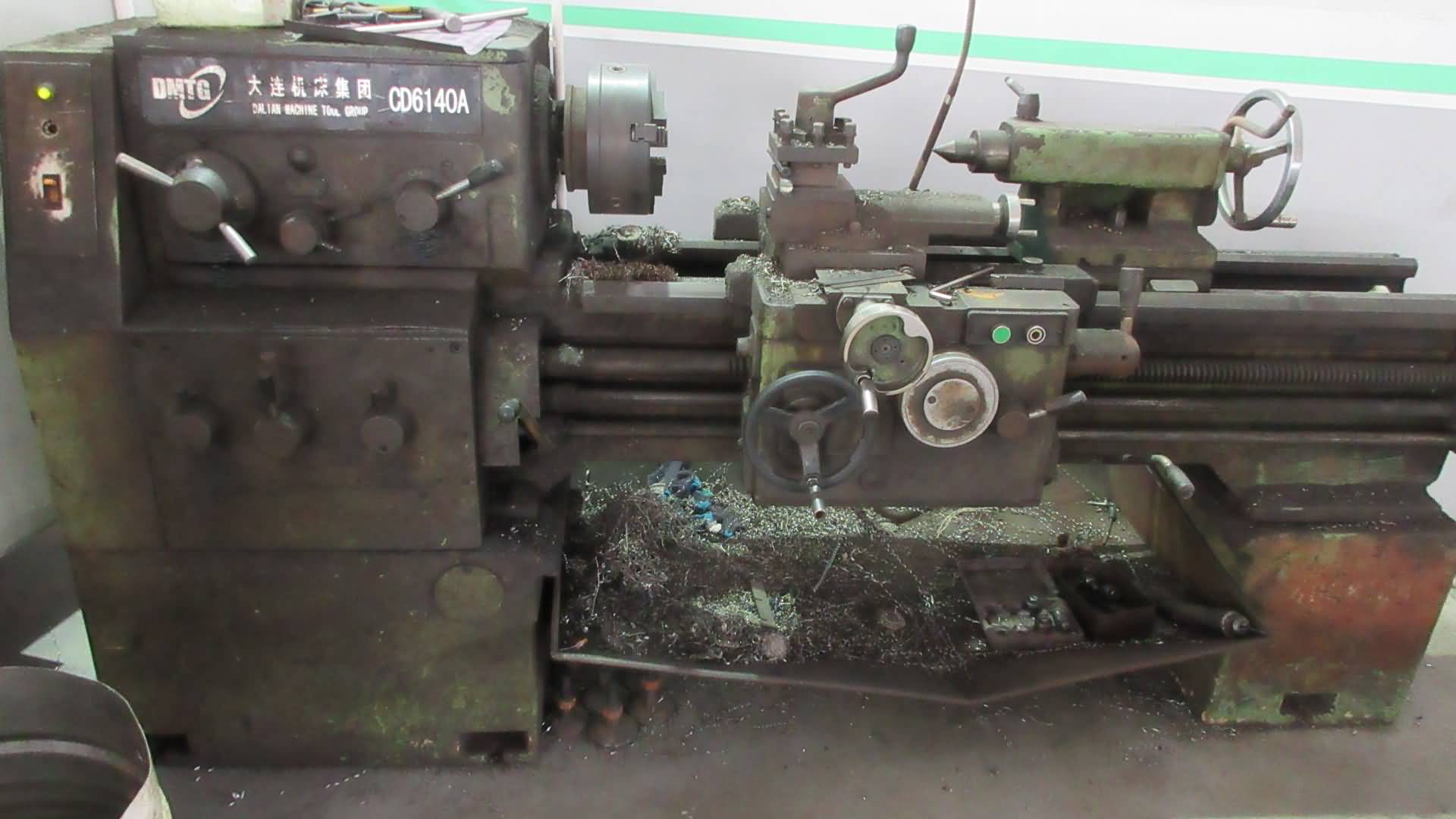
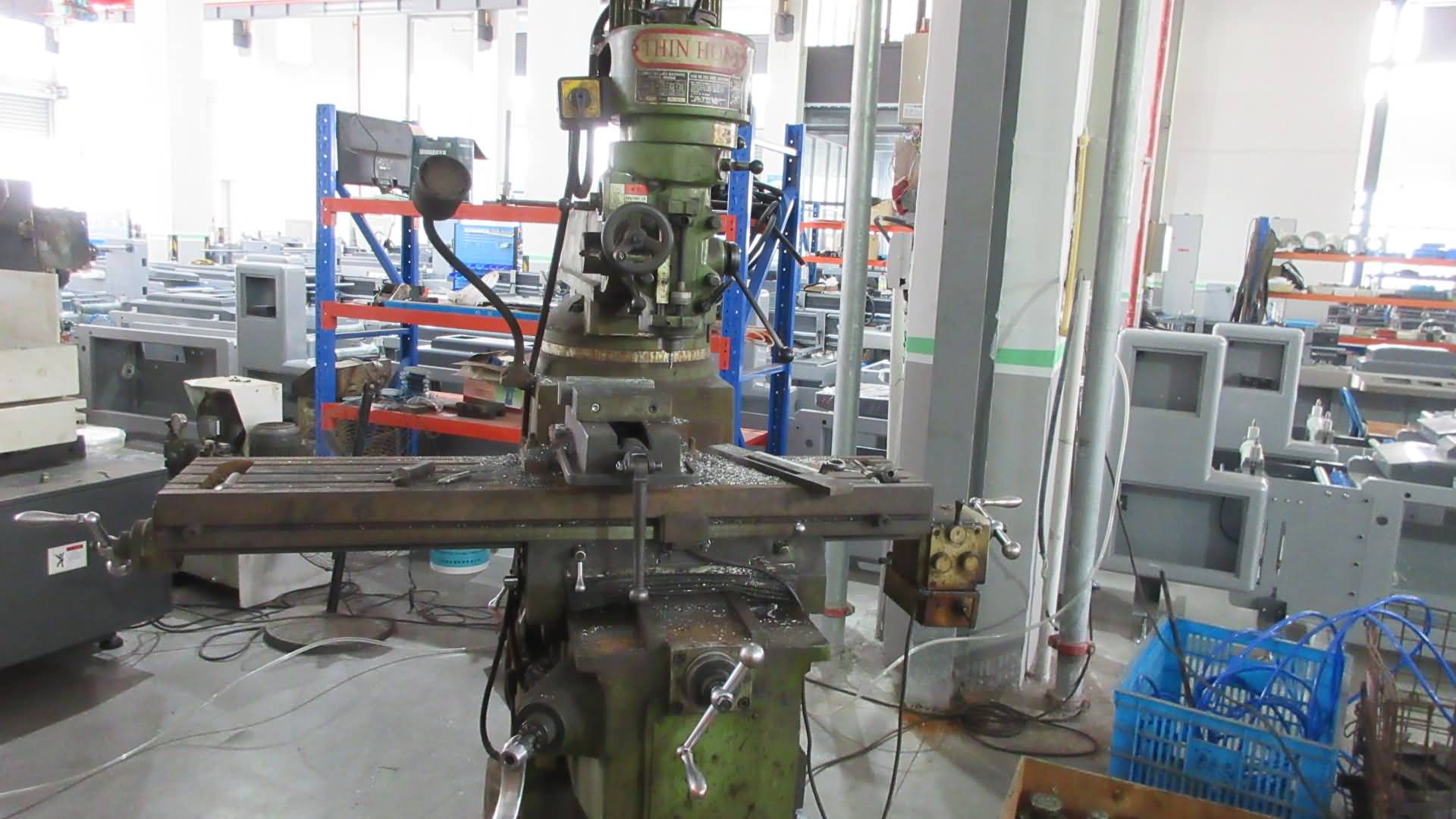
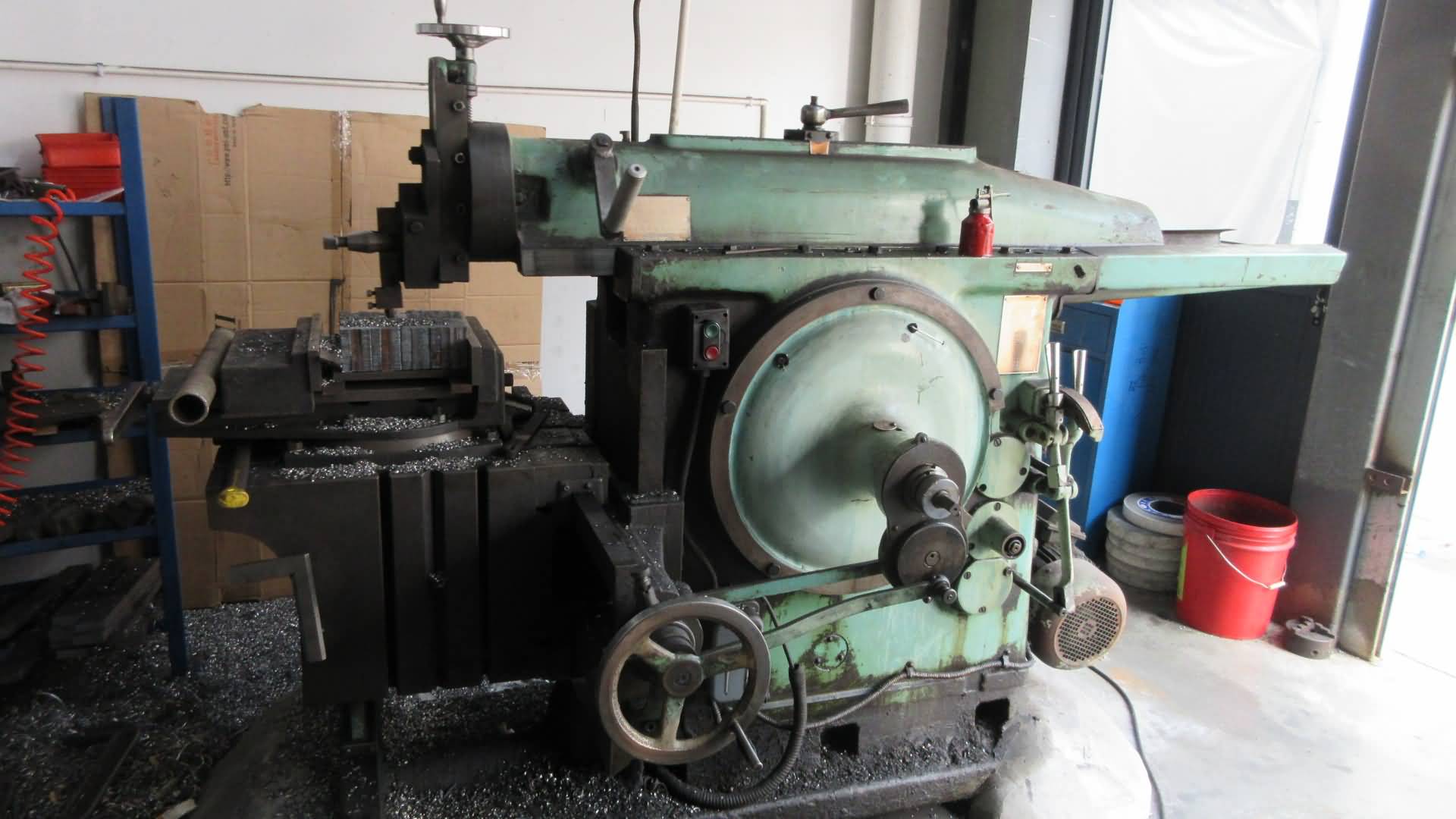
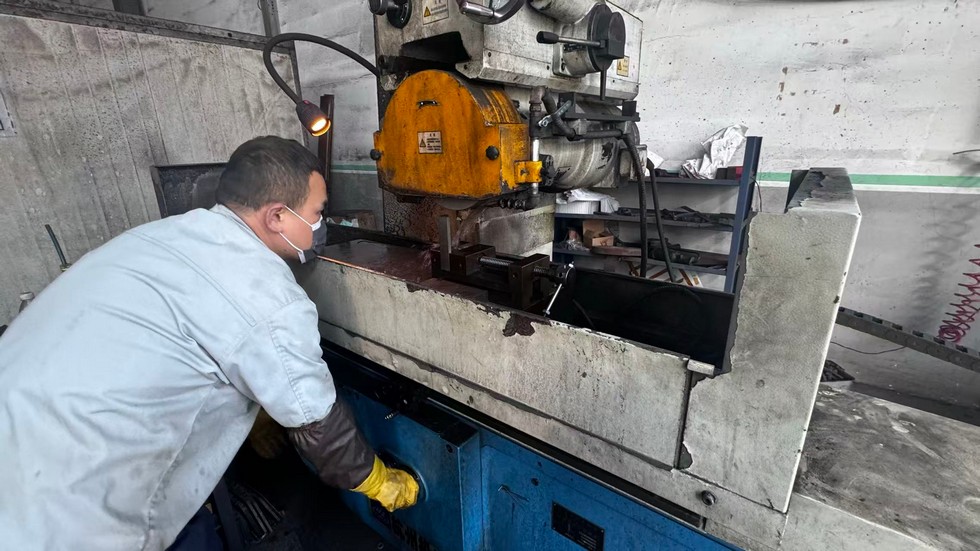
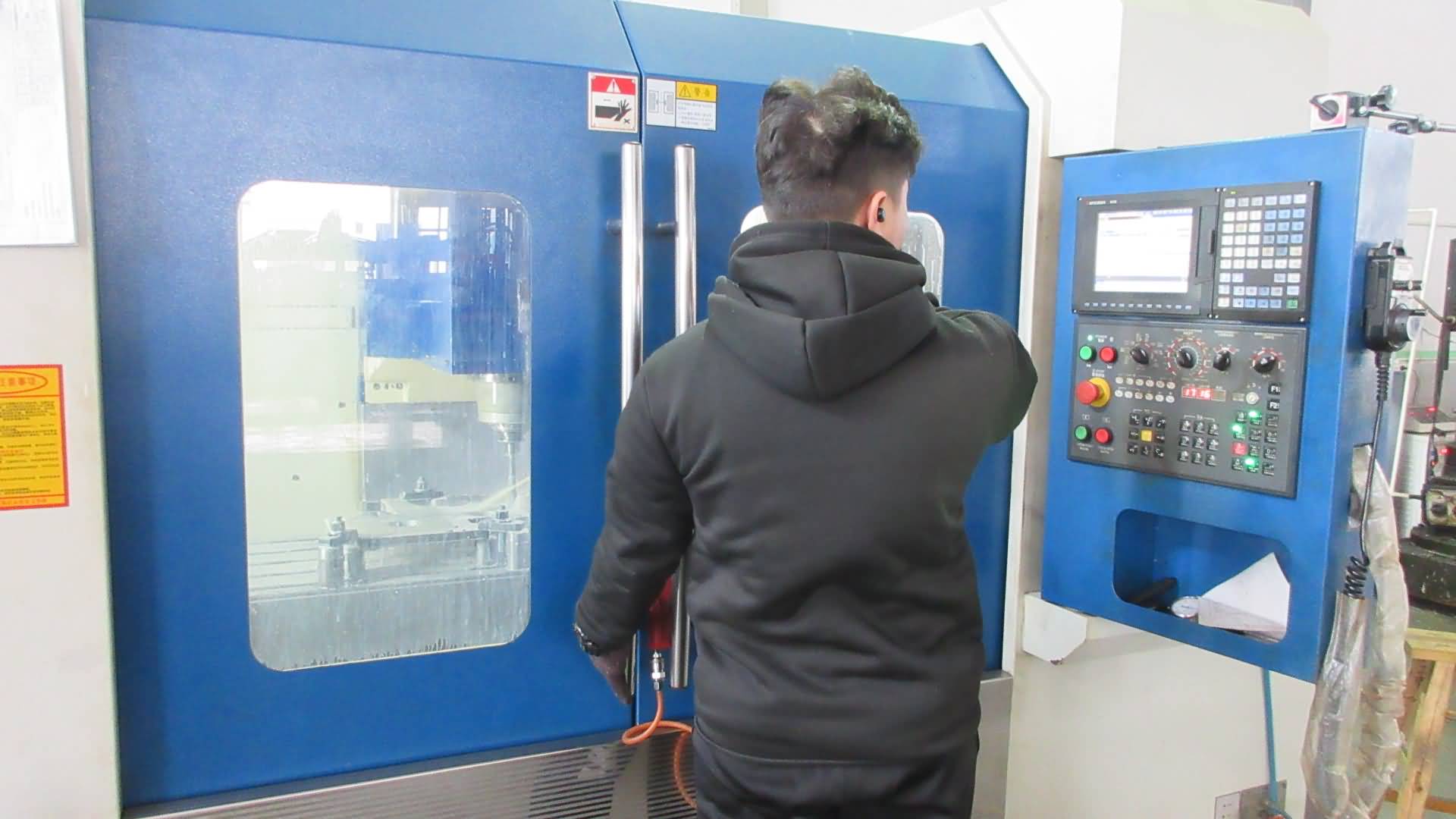
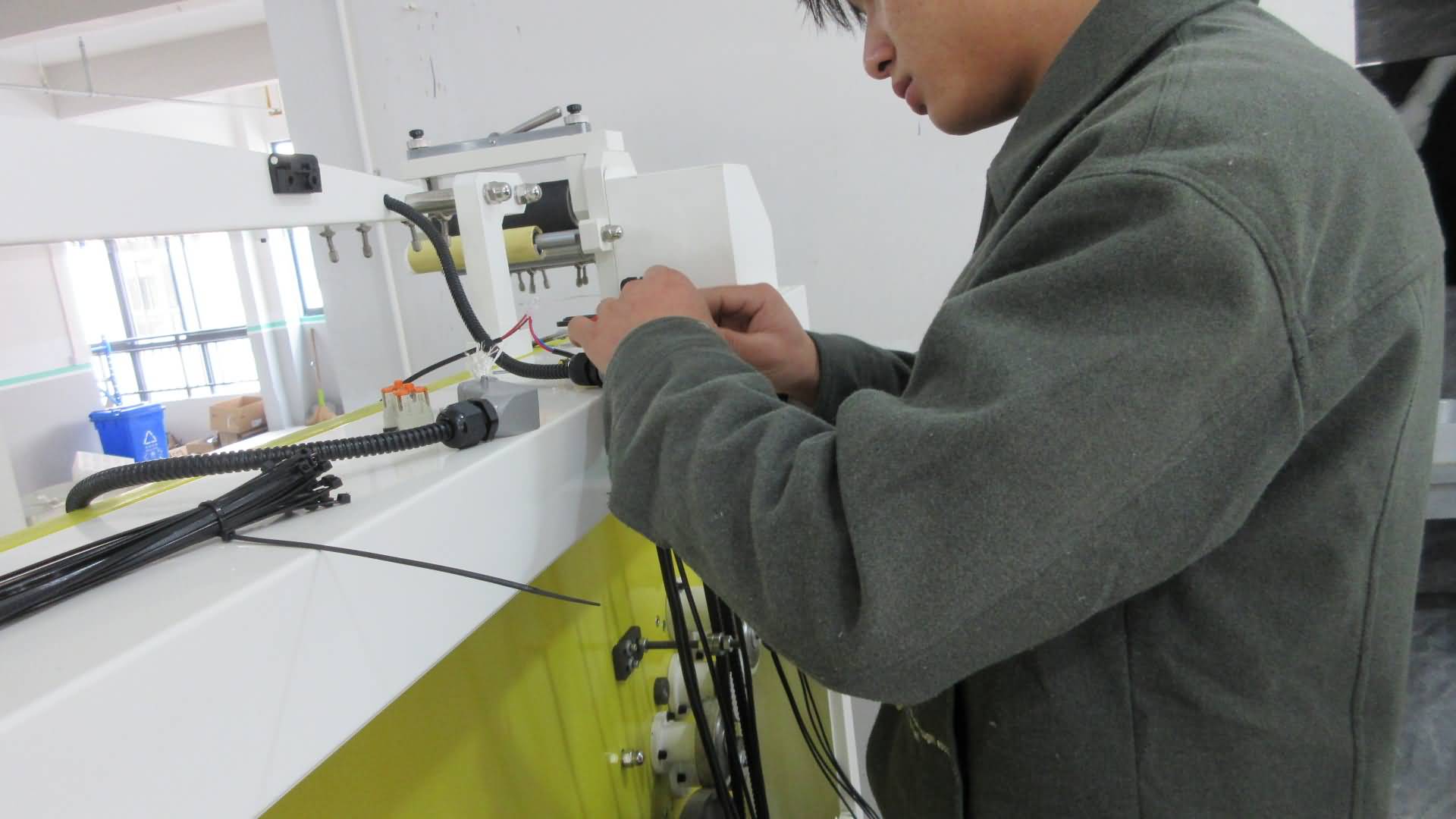
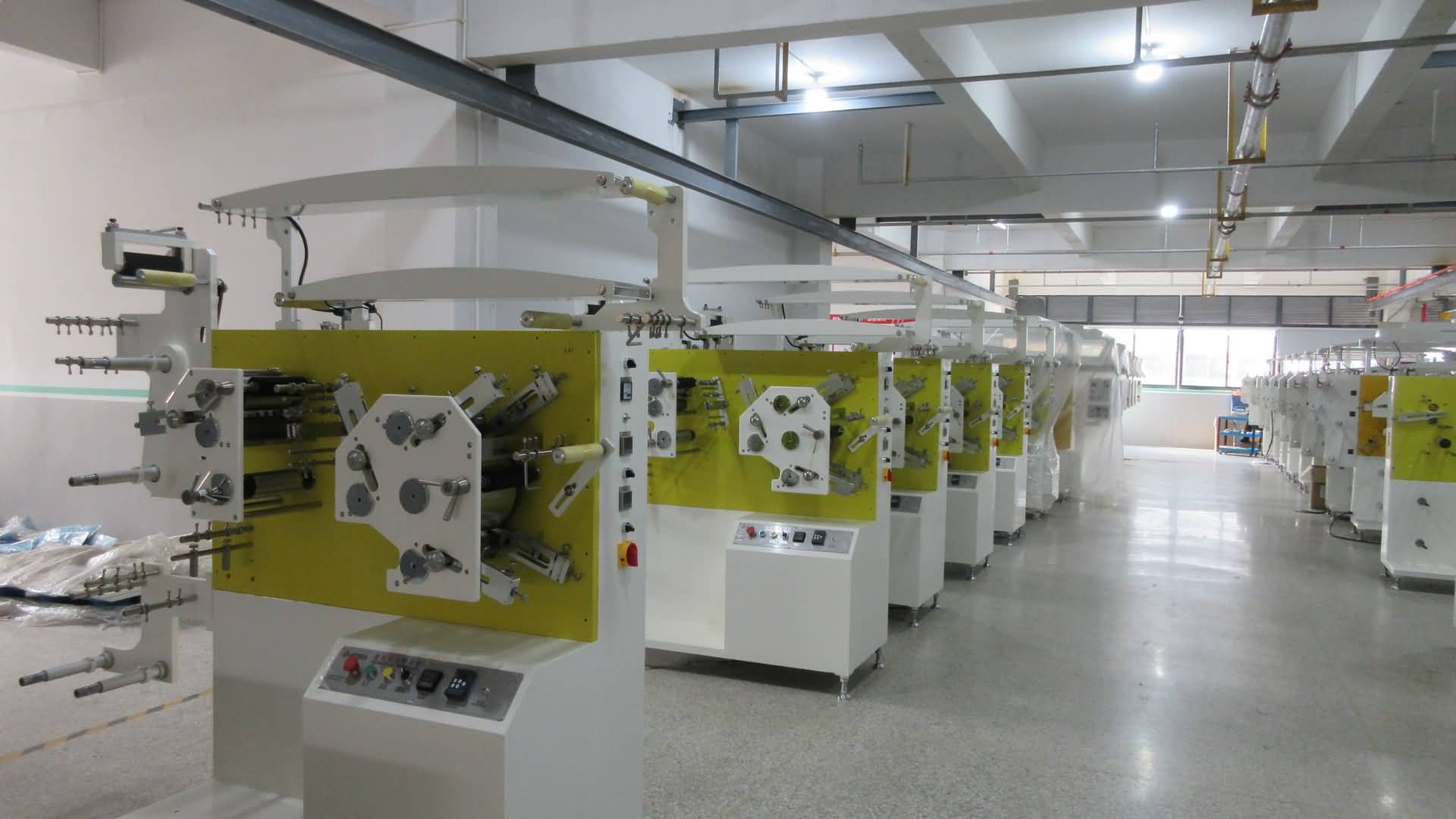
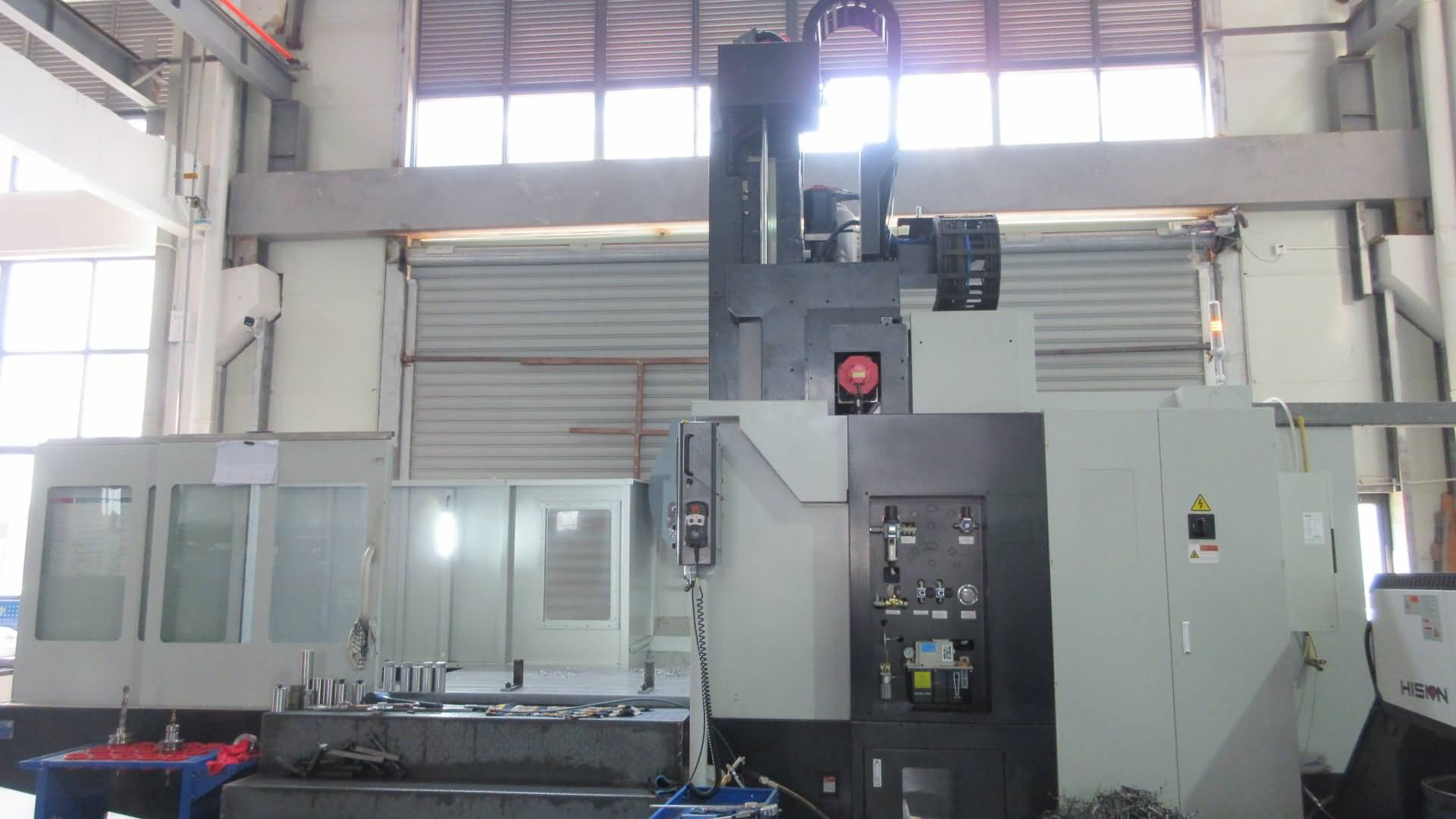
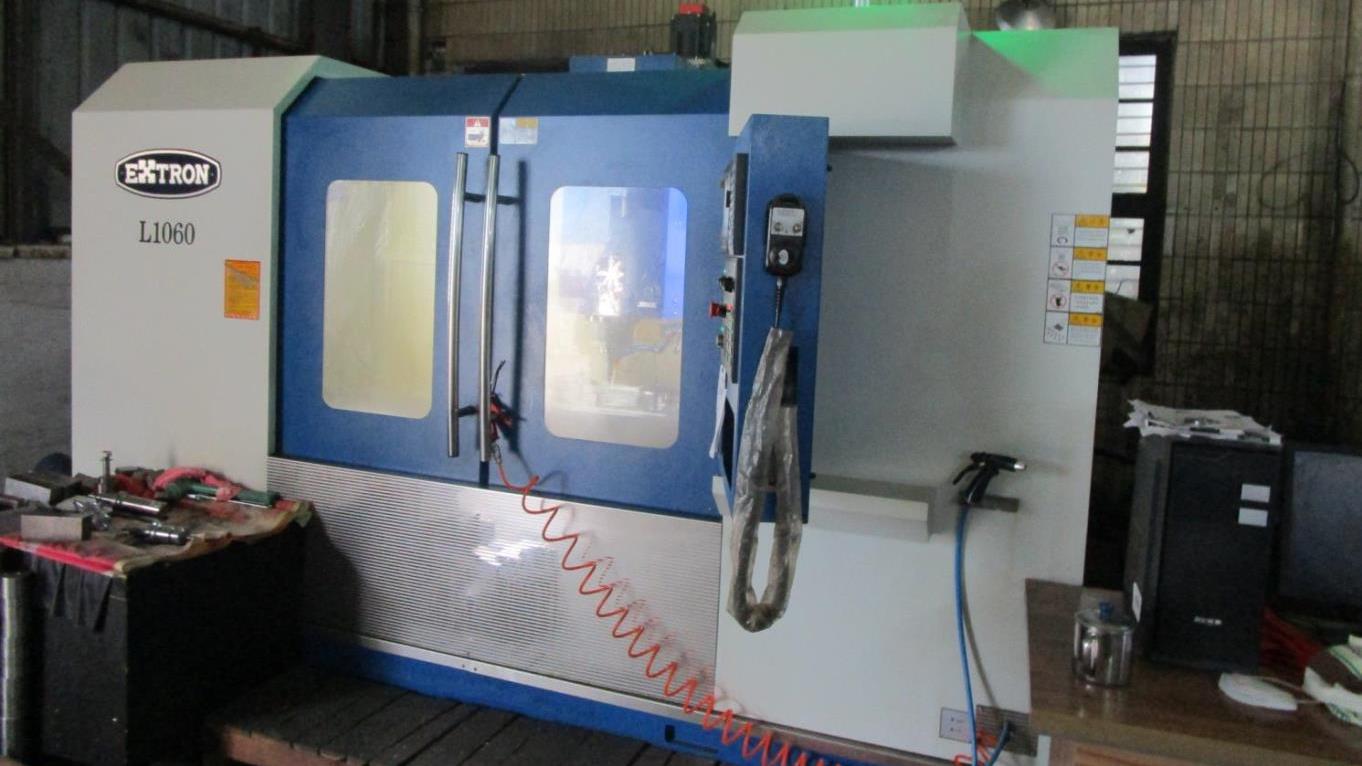
Procuring quick changeover printing equipment from China offers distinct structural and economic advantages. Specifically, the industrial manufacturing ecosystem in Guangdong provides a dense cluster of precision metallurgical facilities, electronics manufacturers, and skilled CNC operators. This allows Moveco to achieve substantial cost efficiencies without compromising raw material specifications or component quality.
By operating in the heart of Southern China's tech corridor, we maintain direct integrations with major international supply chains. Key components, such as linear guide rails, planetary gearboxes, high-torque servo systems, and safety electronics, are either sourced from internationally recognized brands or manufactured under strict OEM agreements.
Guangdong Moveco operates specialized metallurgical lines capable of executing structural stress annealing. Every machine frame is aged under controlled thermal conditions to ensure it remains distortion-free for its entire operational lifecycle, maintaining sub-micron accuracy.
Our in-house R&D team can adapt and customize feed widths, station counts, drying technologies (UV, Hot Air, LED), and inline converting modules (die-cutting, cold foil, lamination) to meet unique print demands far faster than Western counterparts.
A primary concern for international purchasers of industrial machinery is support continuity. At Guangdong Moveco, we address this directly by implementing a multi-tiered localization strategy designed to bridge geographical distances and align with regional standards.
| Compliance Attribute | Technical Standard Met | Operational Value to Buyer |
|---|---|---|
| Electrical Controls | CE & ISO Compliance, UL-Standard Pre-wiring Optional | Guarantees seamless integration into local electrical grids with minimal safety review. |
| Pneumatic & Hydraulics | ISO 9001 Standard Connectors & Metric Metrication | Allows easy maintenance sourcing of standard seals and fittings worldwide. |
| Transit Protection | Vacuum Anti-Rust Wrap + Iron-Framed Wooden Crates | Defends delicate mechanical components from saline rust during ocean cargo transit. |
| Remote Telemetry | Secure IoT Gateways with Real-Time PLC Diagnostics | Allows our senior engineering team in China to calibrate servo profiles and troubleshoot issues remotely. |
Our support system includes on-site technician deployment protocols, local stock on high-wear parts (such as slitting blades, pneumatic seals, and feed rollers), and real-time remote diagnostics. This ensures that global customers experience maximum uptime and fast resolutions for any operational anomalies.
Quick changeover printing and converting solutions are deployed across a variety of manufacturing fields, helping businesses respond to changing client demands:
As industry 4.0 matures, the engineering behind quick changeover equipment is shifting towards smart automation. In the coming decade, we expect to see three main trends define the market:
Vision sensors read registration marks in real-time, automatically calculating alignment errors and instructing servo motors to correct alignment without manual operator tuning.
Stricter environmental laws require fast, clean transitions between UV-curable, solvent-based, and water-based inks. Clean-in-place (CIP) wash stations will minimize solvent use.
Vibration sensors on dynamic cylinders predict bearing wear before it impacts print registration. This allows scheduled maintenance during down periods rather than during active production.
 Moveco Machine