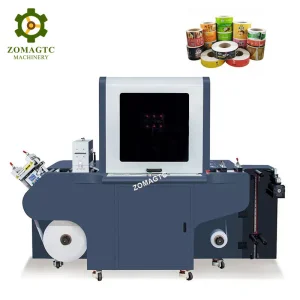
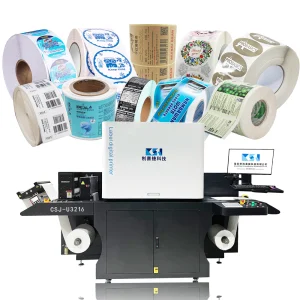
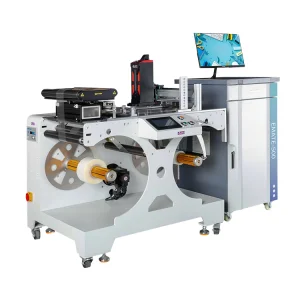
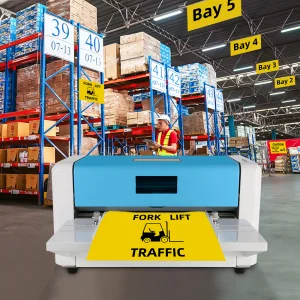
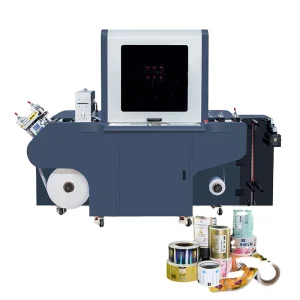
Digital Label Printing Machine Manufacturer & Supplier in the Netherlands Market

High-End Industrial Label Printing & Converting Systems Configured for Europe's Strictest Operational and Sustainability Standards

Consult Our Packaging Engineers

1. Executive Summary & Dutch Packaging Landscape

The Netherlands sits at the absolute epicenter of Western Europe’s logistics, trade, and industrial processing. With the presence of the massive Port of Rotterdam and major agricultural hubs, the demand for fast, efficient, and compliance-driven packaging solutions is surging. Today, the Dutch label market is undergoing a fundamental structural transition. Driven by the stringent EU circular economy regulations (such as the Packaging and Packaging Waste Regulation - PPWR), label converters and brand owners in the Netherlands are migrating away from traditional analogue systems toward agile, high-resolution digital architectures.

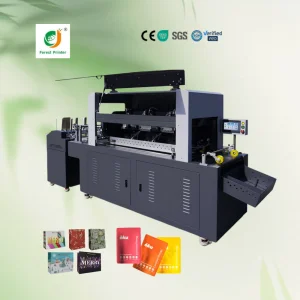
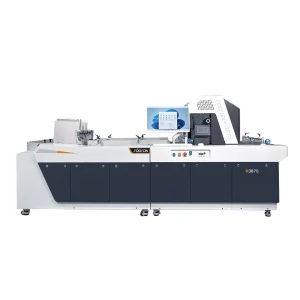
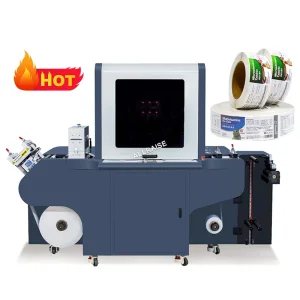
This whitepaper addresses the technical challenges, production dynamics, and commercial realities of implementing high-performance digital label printing machinery within the Netherlands. As a leading designer and manufacturer of digital and hybrid label converting machinery, Guangdong Moveco Machine Co., Ltd. delivers the high-speed production capability, technical modularity, and integration stability necessary to satisfy the strict performance demands of European print service providers (PSPs).

60 m/min
Stable Production Speed
1200 DPI
Ultra-High Resolution
99.8%
Registration Precision
< 0.1 mm
Servo Control Accuracy

2. Market Analysis: The Dutch Label & Packaging Sector

Operating in the Netherlands means aligning with high-velocity distribution models. The horticultural (flower auctions in Aalsmeer), chemical (Rotterdam Cluster), and food processing sectors represent a diverse and highly regulated substrate ecosystem.

Several core macro forces shape procurement requirements for digital printers in this market:

  • Short-Run Prototyping and Fast Turnarounds: FMCG companies and craft breweries across North and South Holland increasingly require SKU personalization and just-in-time logistics. Printing 500 copies of 20 different label variations in a single run is cost-prohibitive on traditional flexography.
  • Eco-Efficiency and Waste Elimination: High setup waste is unacceptable under modern corporate environmental policies. Digital UV inkjet technology eliminates the startup media waste common to flexo mechanical registration setups.
  • Substrate Versatility: Direct printing on ultra-thin films (BOPP, PET, PP), heat-sensitive thermal papers, and structural materials for industrial bags requires precise web tension management to prevent deformation.

3. Industrial Solutions & Structural Integrity

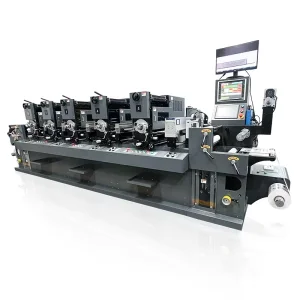
Guangdong Moveco Machine Co., Ltd. addresses these demands through robust, heavy-duty mechanical engineering. The frame of each printing system is manufactured from one-piece precision casting, subjected to a controlled thermal annealing process to relieve internal residual stresses. This guarantees that over years of 24/7 industrial operations, the printhead mounting bridges and web guide rollers remain aligned down to the micron level, preventing color registration drift.

Multi-Sensor Automatic Tension Regulation

Utilizes ultra-sensitive tension transducers coupled with closed-loop servo controllers to maintain constant web tension across varying substrate calipers, preventing film stretching or paper tearing.

Intelligent Inline Pinning & Curing

High-efficiency UV-LED curing units integrated inline, allowing immediate ink fixation to prevent color bleeding and preserve crisp edge definition on non-porous synthetic materials.

Advanced Micro-Piezo Inkjet Modules

Selectable printhead arrays with dynamic drop-on-demand technology, supporting variable grayscale levels to optimize ink consumption while maintaining sharp text and gradient transitions.

Quick-Change Cylinder Integration

For hybrid models, flexographic varnish or cold foil application rollers can be interchanged in minutes, drastically reducing downtime between diverse job runs.

4. In-House Manufacturing Operations

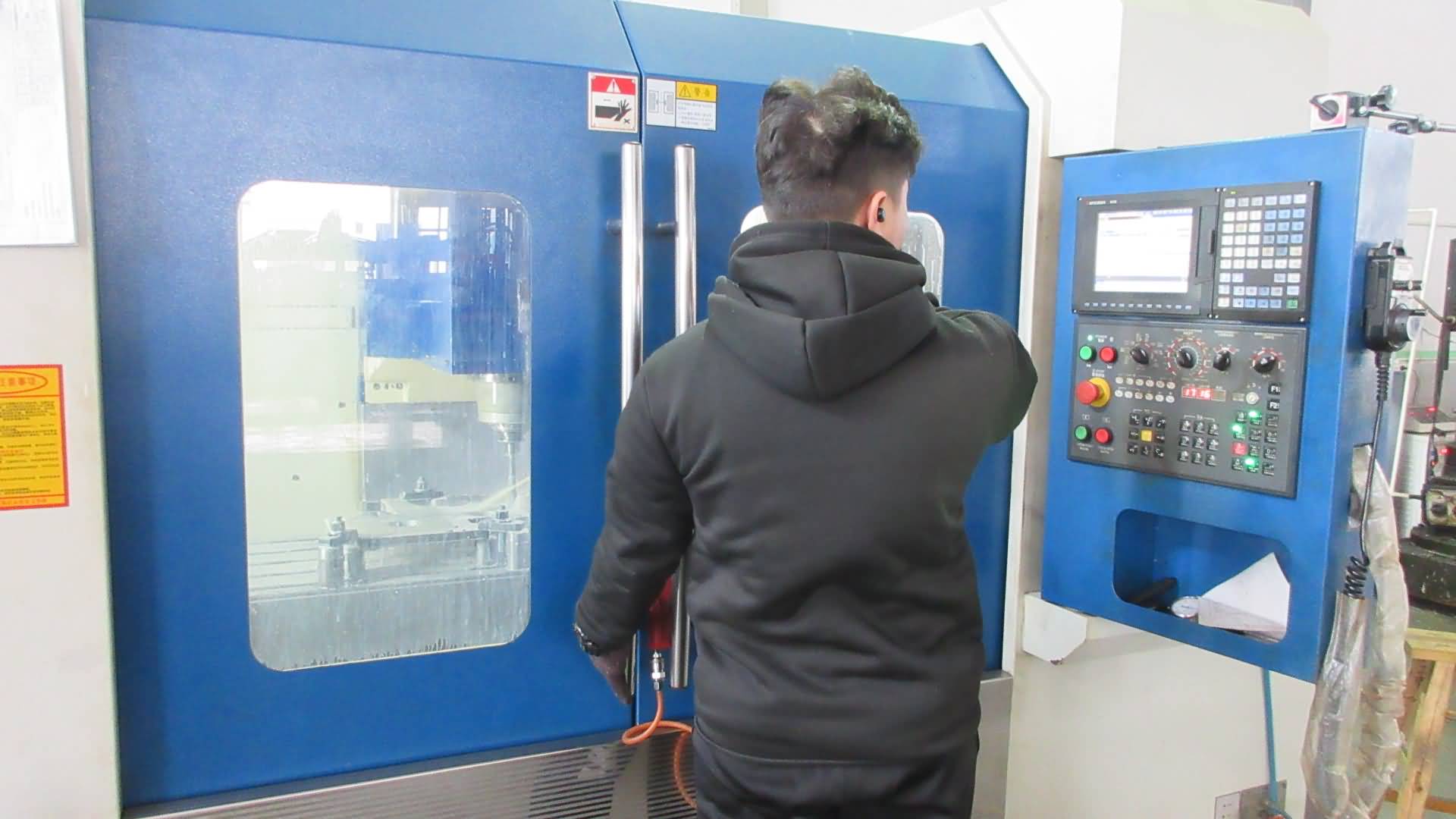
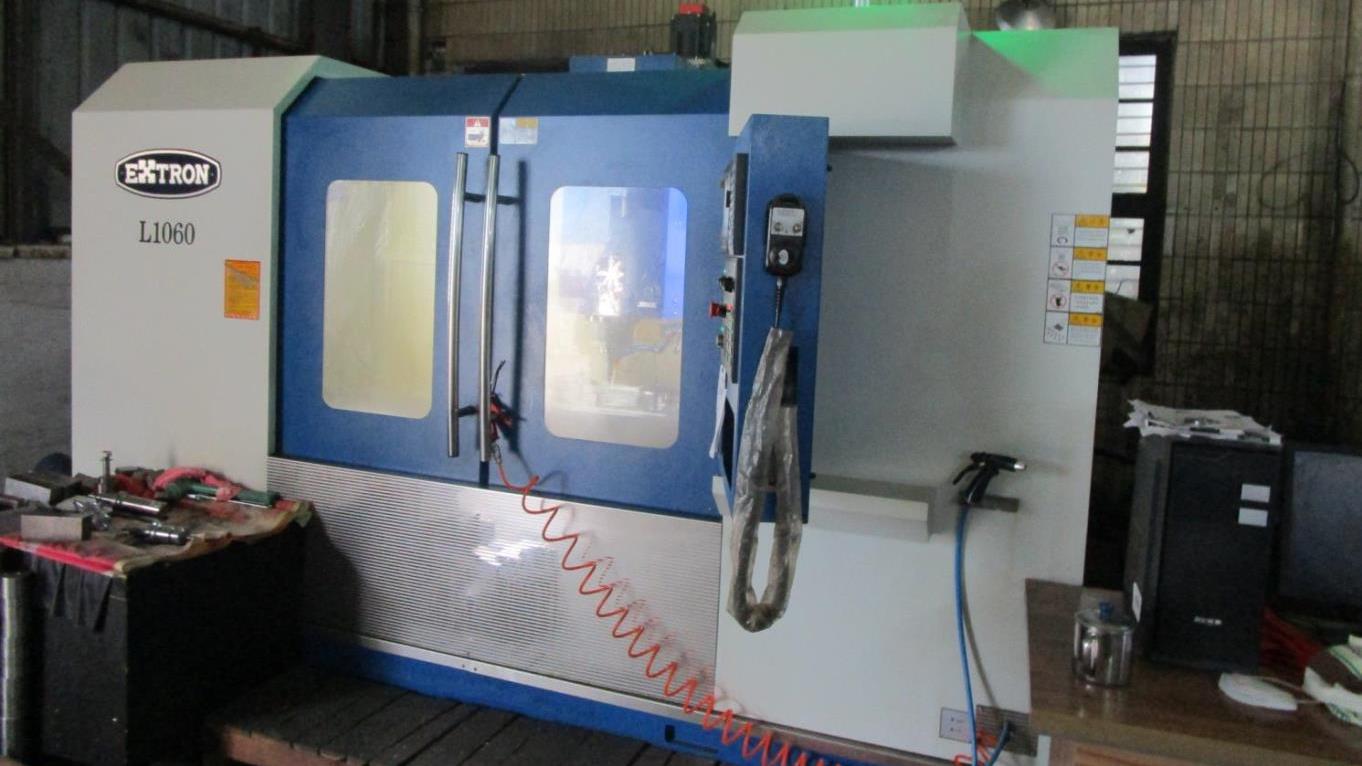
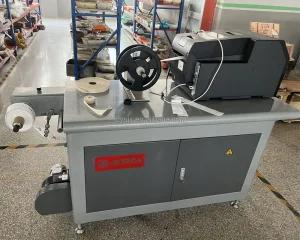
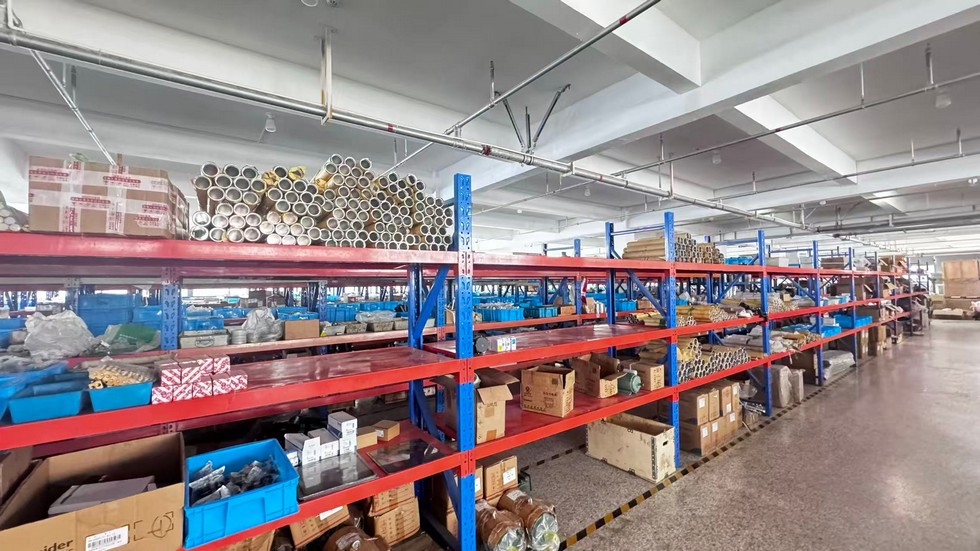
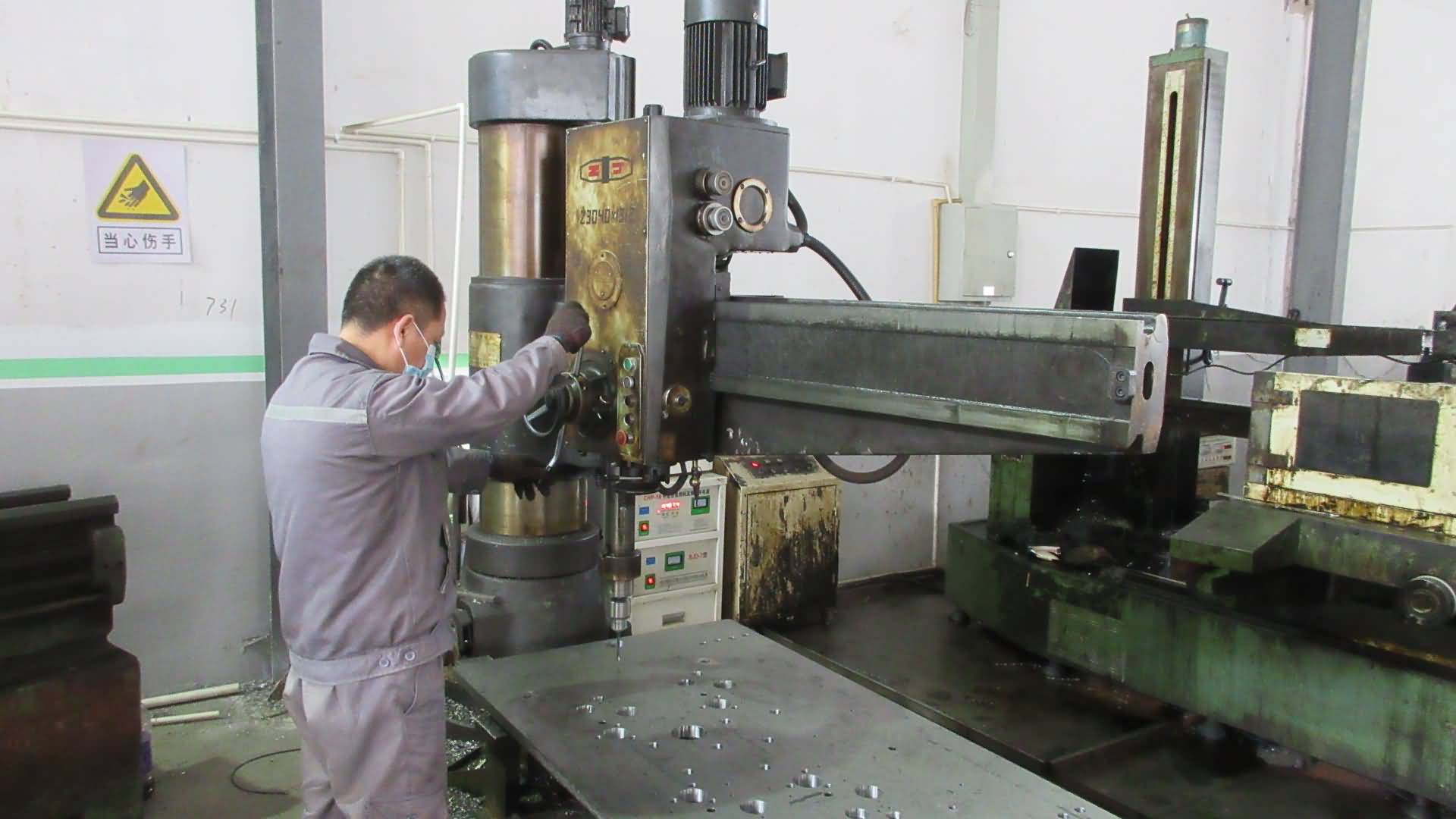
Our manufacturing facility operates with precision CNC technology. We control the mechanical quality of every component from the raw material block to final assembly. Below is our processing and quality assurance workflow:
Raw Material Selection for Label Machinery
Raw Material Selection
Precision Drilling Process
Precision Drilling
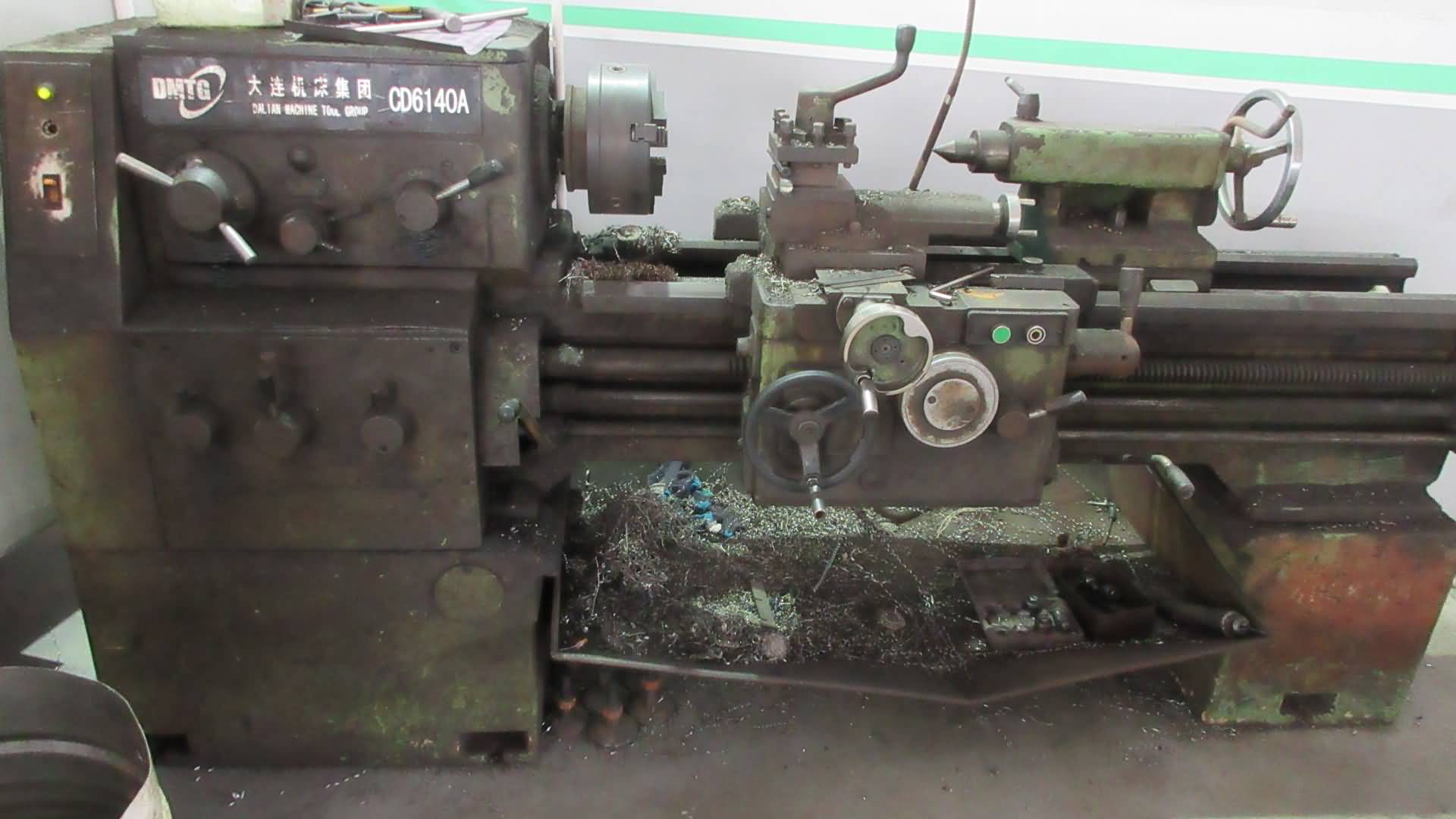
CNC Lathing of Cylinders
CNC Lathing
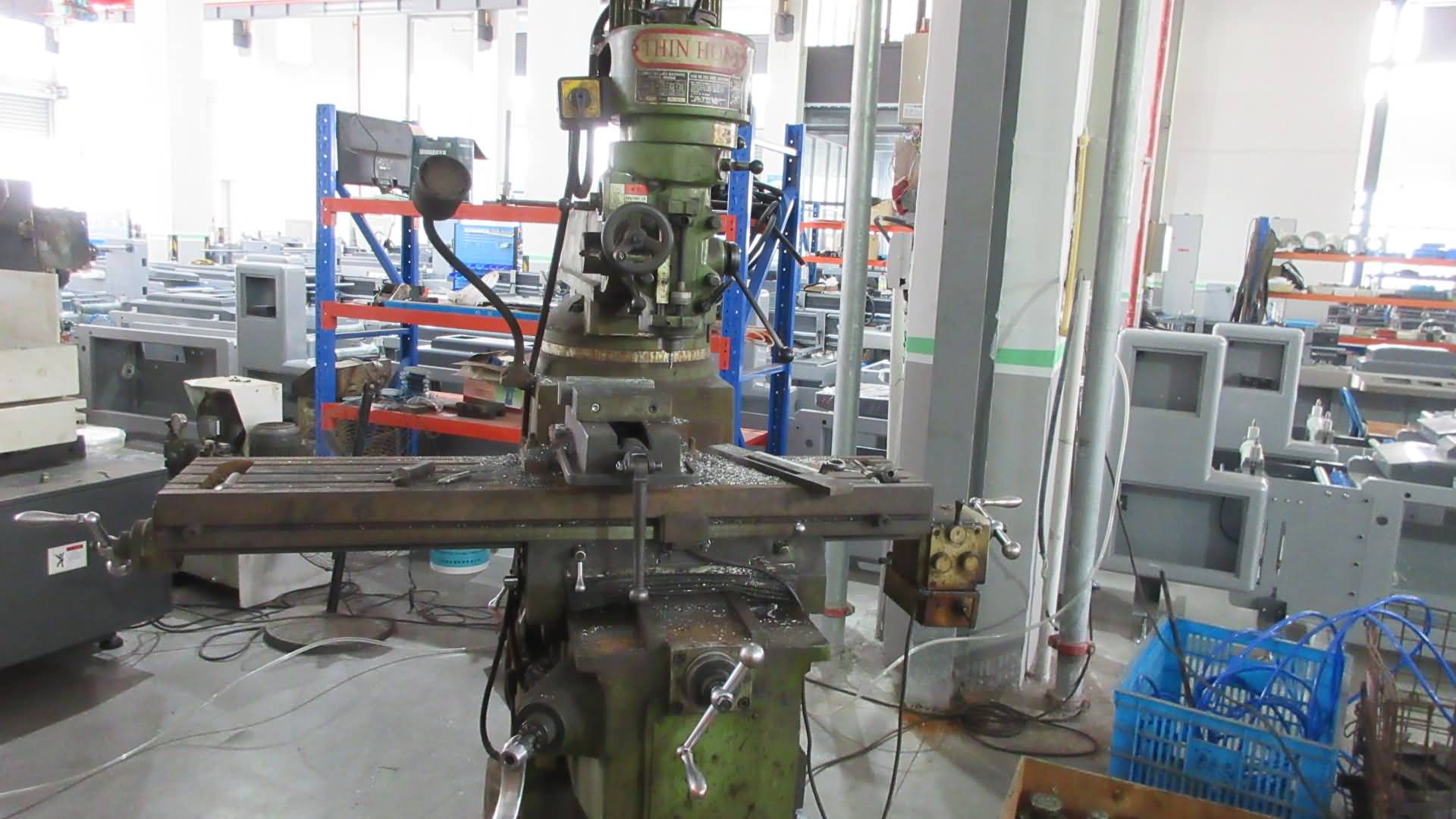
High-Accuracy Milling Process
Precision Milling
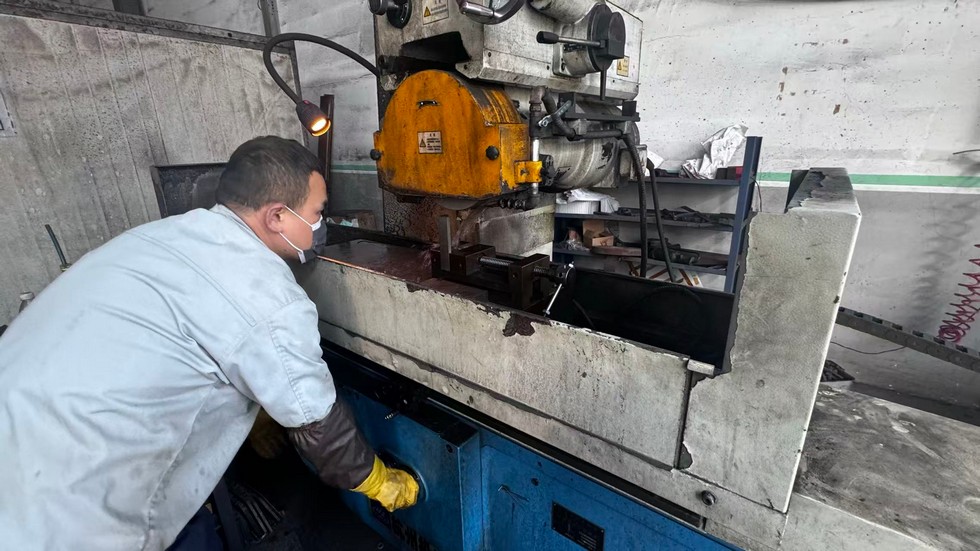
Precision Grinding of Rollers
Precision Grinding
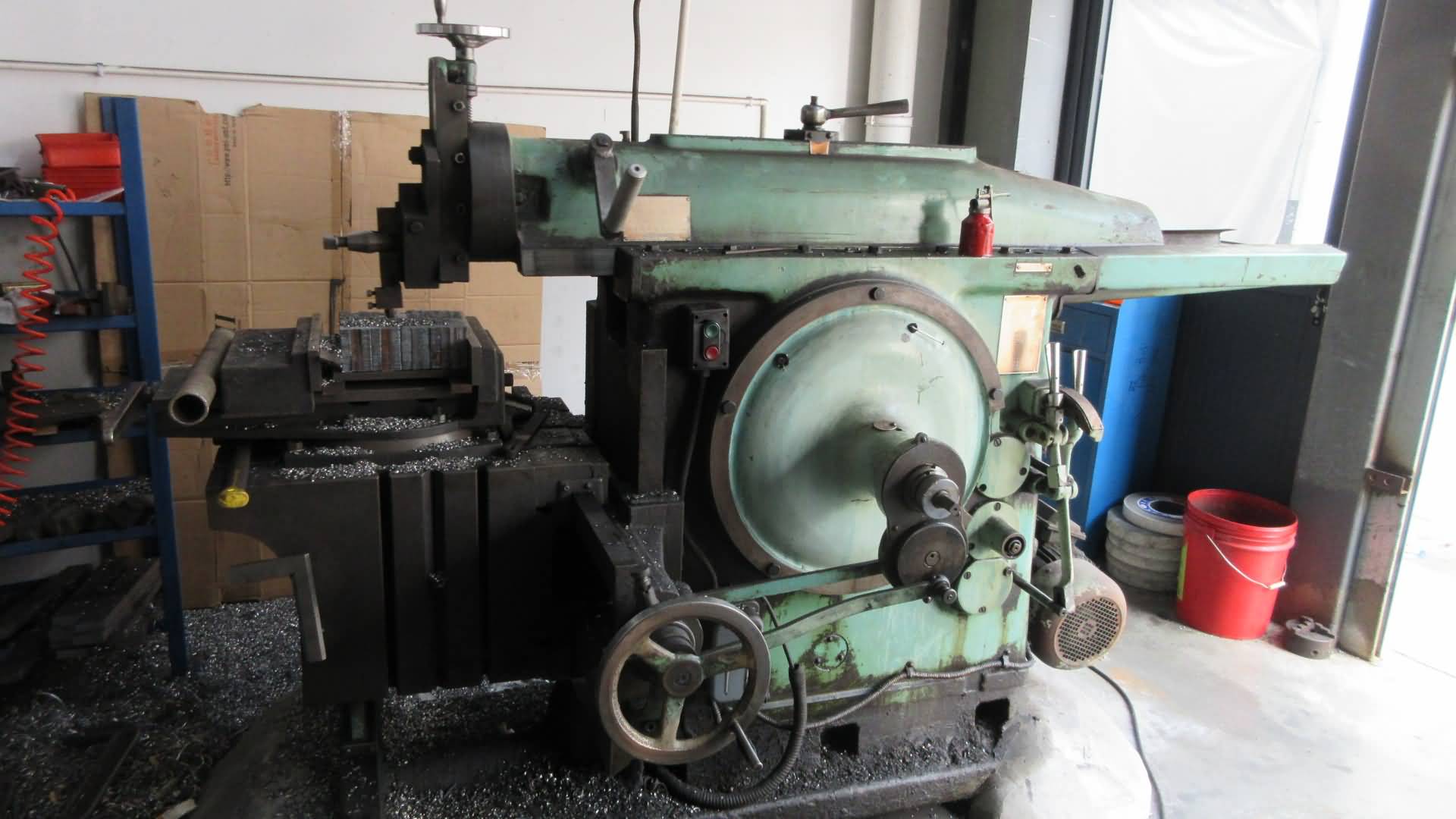
Heavy Metal Structural Cutting
Structural Cutting
Multi-Axis CNC Machining
CNC Machining Center
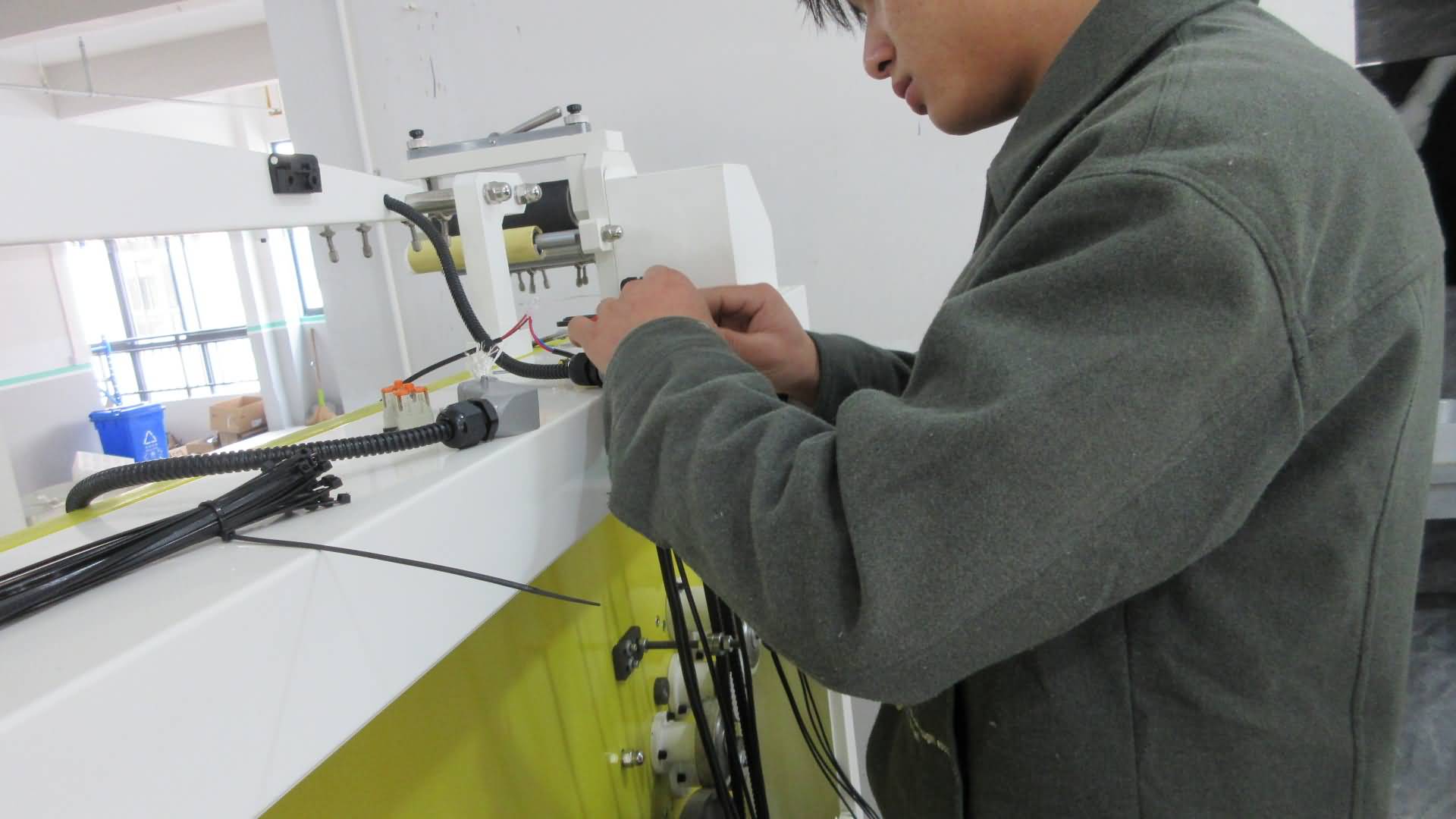
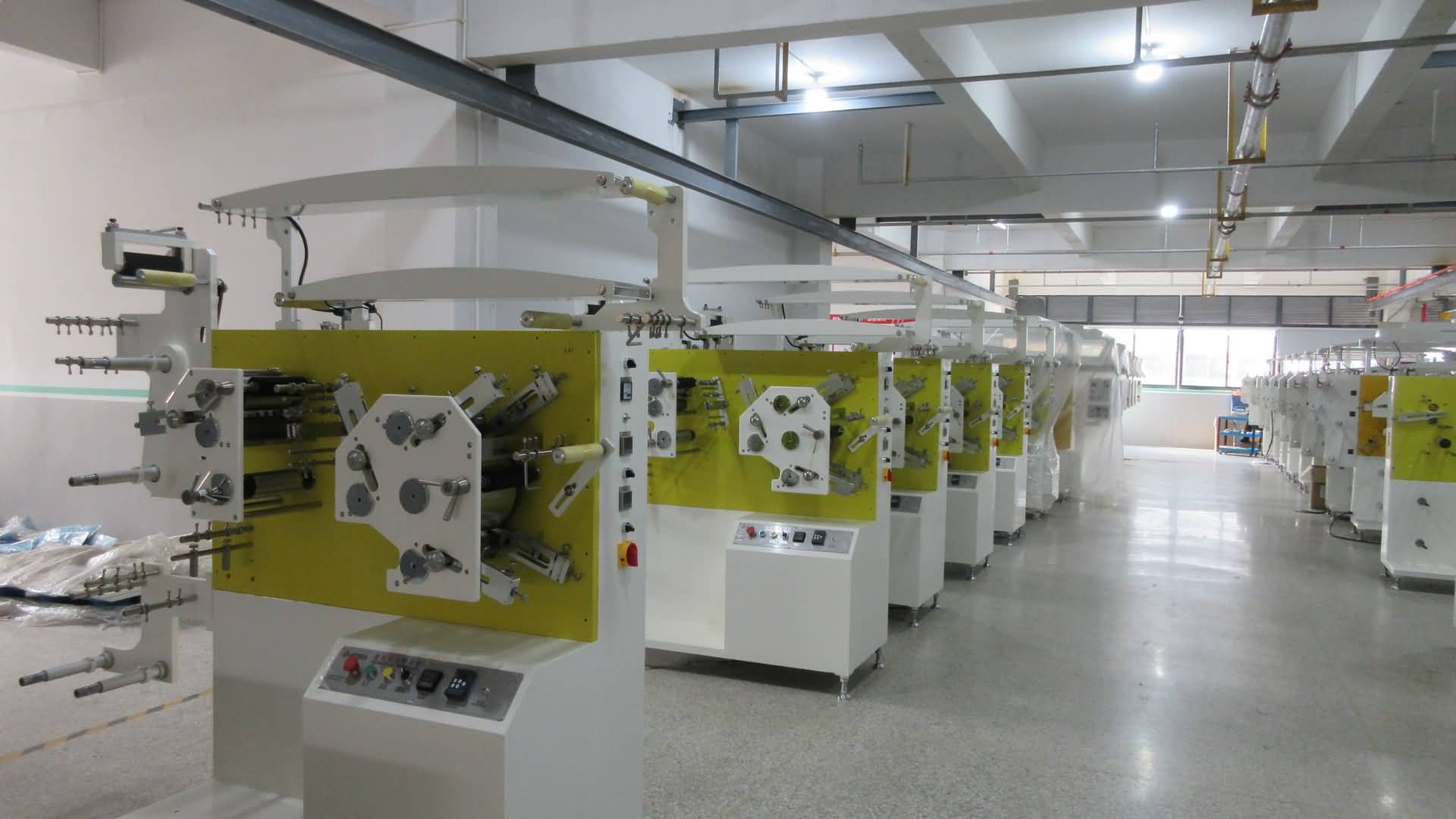
System Assembly and Alignment
System Assembly
Moveco Stock Inventory Warehouse
Inventory Control
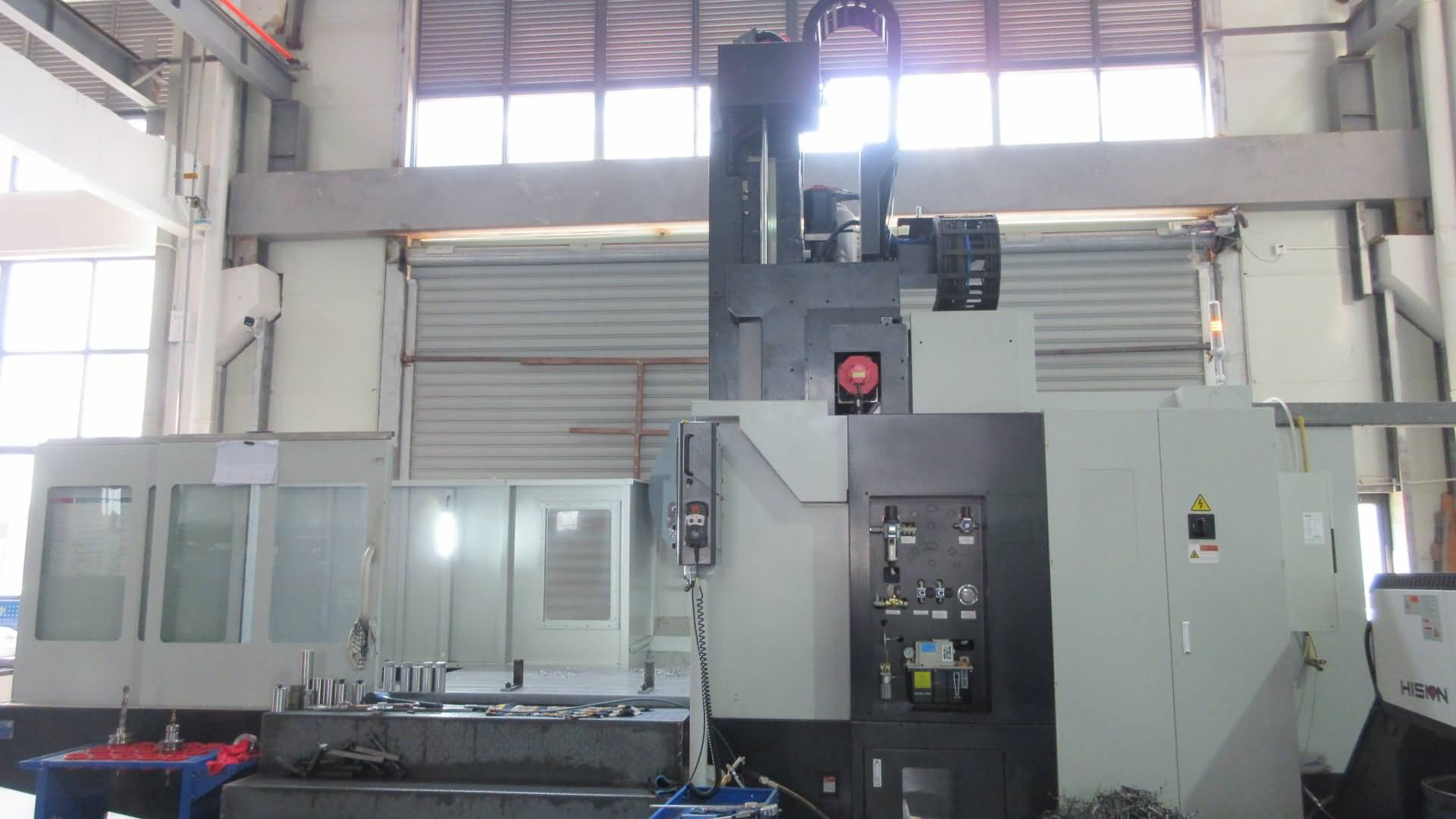
Large Gantry Machining Center
Large Machining Center
Component Machining and Tolerances Control
Machining Tolerances

5. European Regulatory Compliance & Global Procurement Standards

Supplying industrial machinery to the Netherlands market requires strict compliance with European directives. Our engineering designs are updated to meet:

  • CE Machinery Directive (2006/42/EC): Complete mechanical design safety, safety light curtains, emergency stop logic integration, and protected enclosures.
  • Electromagnetic Compatibility (EMC Directive 2014/30/EU): Implementation of high-end shielded cabling, proper filtering systems, and isolated electrical cabinets preventing harmonic interference with other network hardware.
  • RoHS & WEEE Directives: Use of compliant, hazardous-substance-free electrical elements and green manufacturing protocols.
  • Low Voltage Directive (2014/35/EU): Robust component specifications, utilizing premium brands like Schneider, Siemens, and Omron to ensure stable power delivery and long-term operating safety.

6. Technical Roadmap & The Future of Inkjet Technology

The printing industry is evolving toward integrated workflows. Moveco's development roadmap focuses on three main technological goals:

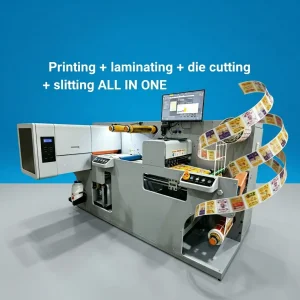
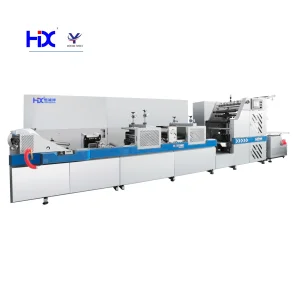
  1. Hybrid Printing Architectures: Combining digital color printing with analog inline processing stations (such as intermittent rotary die cutting, flexo varnishing, cold foil stamping, and laminating) in a single configuration. This reduces labor, waste, and material transport time.
  2. Water-Based Inkjet Systems: In preparation for tougher EU VOC limitations, we are developing water-based pigment inkjet systems suitable for food-contact packaging.
  3. AI Inspection Systems: Integrating inline vision cameras with machine learning algorithms. The system cross-checks printing output with the source PDF file in real time, alerting the operator to nozzle blockages, color deviation, or register drift.

Complete Digital Label Printing & Finishing Portfolio

Explore our industrial range of high-speed UV inkjet systems, thermal label processors, and hybrid digital converting systems.

Expert Q&A: Digital Label Printing & Technology

In-depth responses to common technical and commercial questions about implementing industrial label printing systems.

Q1: What are the primary advantages of digital UV inkjet systems over traditional flexography for short runs?
Digital UV inkjet systems eliminate prepress costs, such as plate-making and specialized mounting steps. Job changeovers are handled digitally through software, lowering setup time from hours to minutes. Substrate wastage is also reduced, as digital configurations achieve registration immediately without running test webs, making short-run jobs much more cost-effective.
Q2: How does the annealing process of the main machine frame benefit long-term reliability?
During cast iron production, internal mechanical stresses develop in the metal. If untreated, the structural frame can warp or deform minutely over time under stress. Moveco's thermal annealing heating-cooling cycle eliminates these internal stresses, ensuring the structure maintains its alignment and precision over years of continuous use.
Q3: Can your machinery print on thin, heat-sensitive synthetic films?
Yes. Our high-precision tension control, coupled with water-cooled chill rollers and low-temperature UV-LED curing systems, ensures the web temperature remains low. This configuration prevents heat-sensitive materials like BOPP, PET, and PE from stretching, warping, or losing structural shape during the curing process.
Q4: What integration interfaces are available for ERP / MES connectivity?
Our control architectures support standard industrial protocols, including OPC UA and Modbus TCP. This enables integration with ERP and MES systems, allowing real-time monitoring of machine speed, production volume, ink consumption, and maintenance diagnostics.
Q5: How is technical support and parts supply managed for the Netherlands and European markets?
We provide remote diagnostic support via VPN, allowing our software engineers to troubleshoot PLC logic and ink controller parameters directly. We maintain a stock of wearing parts with partners in Europe to ensure fast delivery. For major installations, local European service engineers are available for onsite setup and calibration.

Need a Custom Solution for Your Packaging Facility?

Consult with our engineers to discuss your substrate challenges, configuration requirements, or to schedule a remote demonstration.

Send Inquiry Now