Under the demands of Industry 4.0, packaging converters and label manufacturers face escalating pressures to enhance throughput, maintain strict mechanical tolerances, and reduce carbon footprints. This document evaluates state-of-the-art technological systems that bridge the gap between heavy-duty engineering and digital control workflows.
Traditional inline setups are giving way to servo-driven modular platforms capable of managing multi-substrate lines—including thin PET/BOPP films and heavy cardboard materials—without mechanical deviation. As brand owners demand shorter, highly dynamic runs, technologies such as Memjet digital inkjet arrays, sleeve-type Central Impression (CI) configurations, and inline semi-rotary systems have emerged as critical assets. Adapting to these trends requires stable hardware architecture combined with closed-loop tension algorithms.
For technical directors and production engineers, evaluating complex converting machinery requires looking beyond basic output rates. True performance metrics reside in web tension stability (measured in fractions of a Newton), servo-motor integration parameters, quick-change sleeve logistics, and mechanical vibration suppression. This whitepaper analyzes these elements to help international buyers make informed capital acquisition decisions.
High-speed converting, inline printing, and automated processing lines engineered for modern packaging plants.
Analyzing macro trends, volume statistics, and supply chain expectations in global packaging converting.
Global logistics and retail sectors depend on high-volume shipping labels, flexible pouch structures, and functional medical packaging. Traditional multi-pass converting methods introduce alignment errors and material waste. Modern printing houses address these challenges through inline processing, which integrates flexographic stations, rotary die-cutters, and digital inkjet heads into a single, automated pass. This eliminates winding/unwinding loops, limits waste, and increases line efficiency.
Environmental standards restrict VOC emissions and packaging waste. This shifts demand toward water-based inks and UV-curable formulations. Modern converting lines feature precision ceramic anilox rolls and enclosed doctor blade systems to ensure exact ink volume control. This minimizes consumption and allows plants to meet strict regional compliance standards, including CE, EPA, and RoHS regulations.
An engineering breakdown of modern production mechanisms driving high-yield plants.
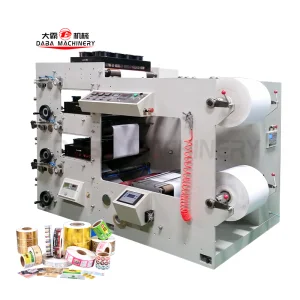
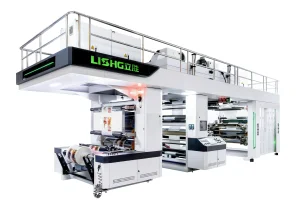
Designed for thin polymeric films (BOPP, LDPE, PET). Substrates wrap around a single large steel cylinder to maintain uniform pressure and prevent register drift caused by material stretching.
Combines roll-to-roll printing with inline cutting to deliver finished sheets in a single pass. Ideal for high-speed manufacturing of school exercise notebooks and booklets.
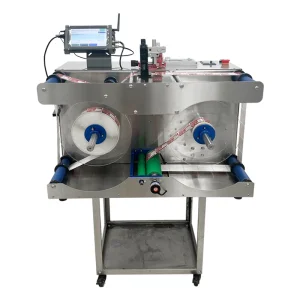
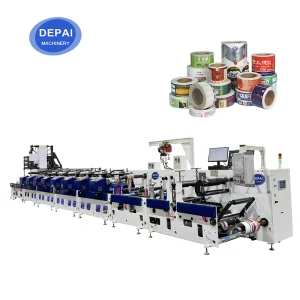
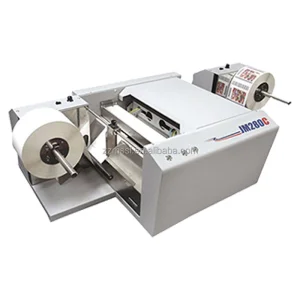
Integrates high-resolution digital printheads with traditional flexo systems. Allows plants to mix static base elements with variable data, barcodes, and custom colors on demand.
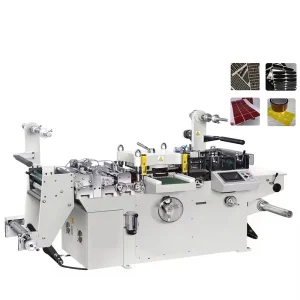
Allows varied die-cut lengths without changing magnetic cylinders. An electronic control loop feeds and positions the web dynamically, minimizing tooling costs for shorter production runs.
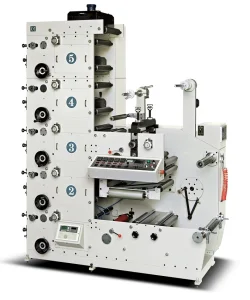
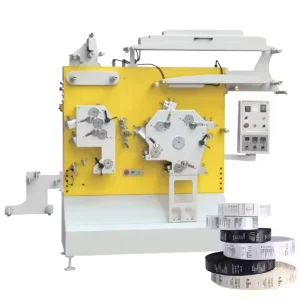
Replaces old mechanical drive shafts with dedicated servo motors on each print station. This isolates mechanical feedback and allows micro-adjustments for precise registration.
Uses lightweight plate cylinders and air shafts for rapid job transitions. Reduces changeover downtime from hours to minutes, improving overall equipment effectiveness (OEE).
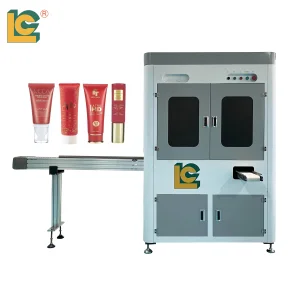
Applies precise heat and pressure for decorative finishes on cosmetic containers and premium tubes. Delivers consistent transfer without compromising underlying plastic substrates.
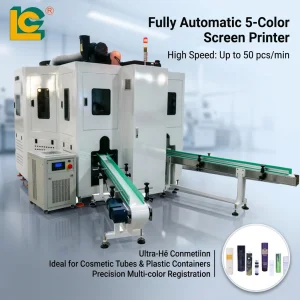
Deposits thick ink layers to create tactile effects and opaque whites on transparent labels. Uses a continuous mesh screen with internal squeegees for speeds up to 100m/min.
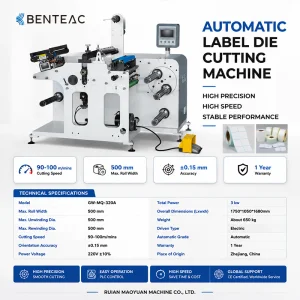
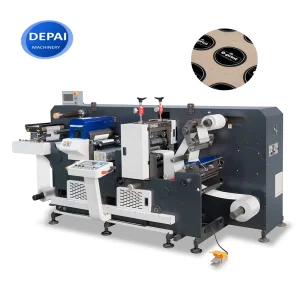
Features dual-station configurations to allow inline kiss-cutting and through-cutting of labels and release liners. Designed for seamless integration into high-volume finishing lines.
Maintains consistent ink viscosity by preventing solvent evaporation. Protects the ceramic anilox roller, reduces wash-up times, and ensures uniform color density across shifts.
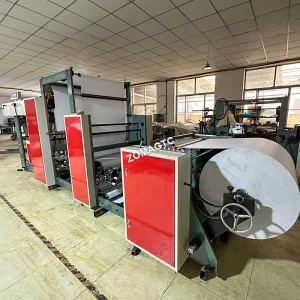
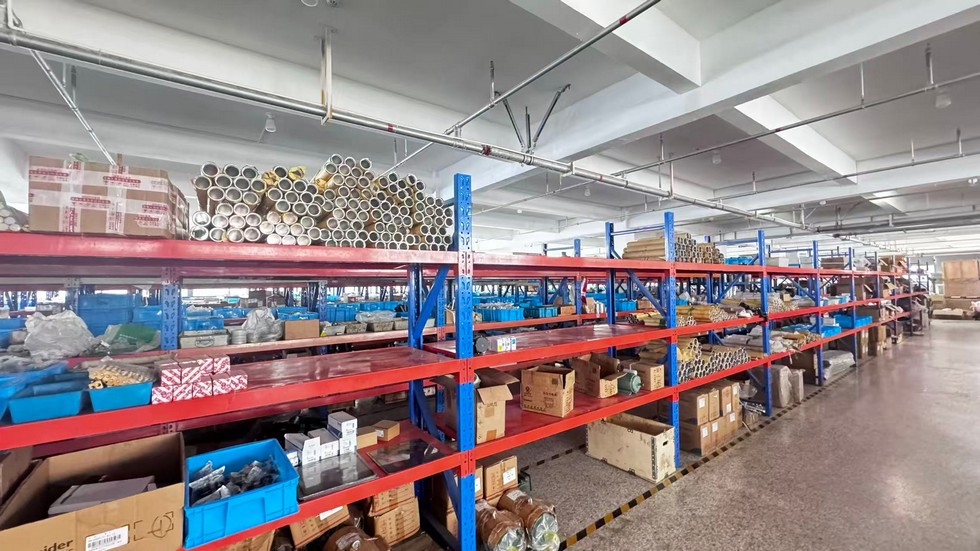
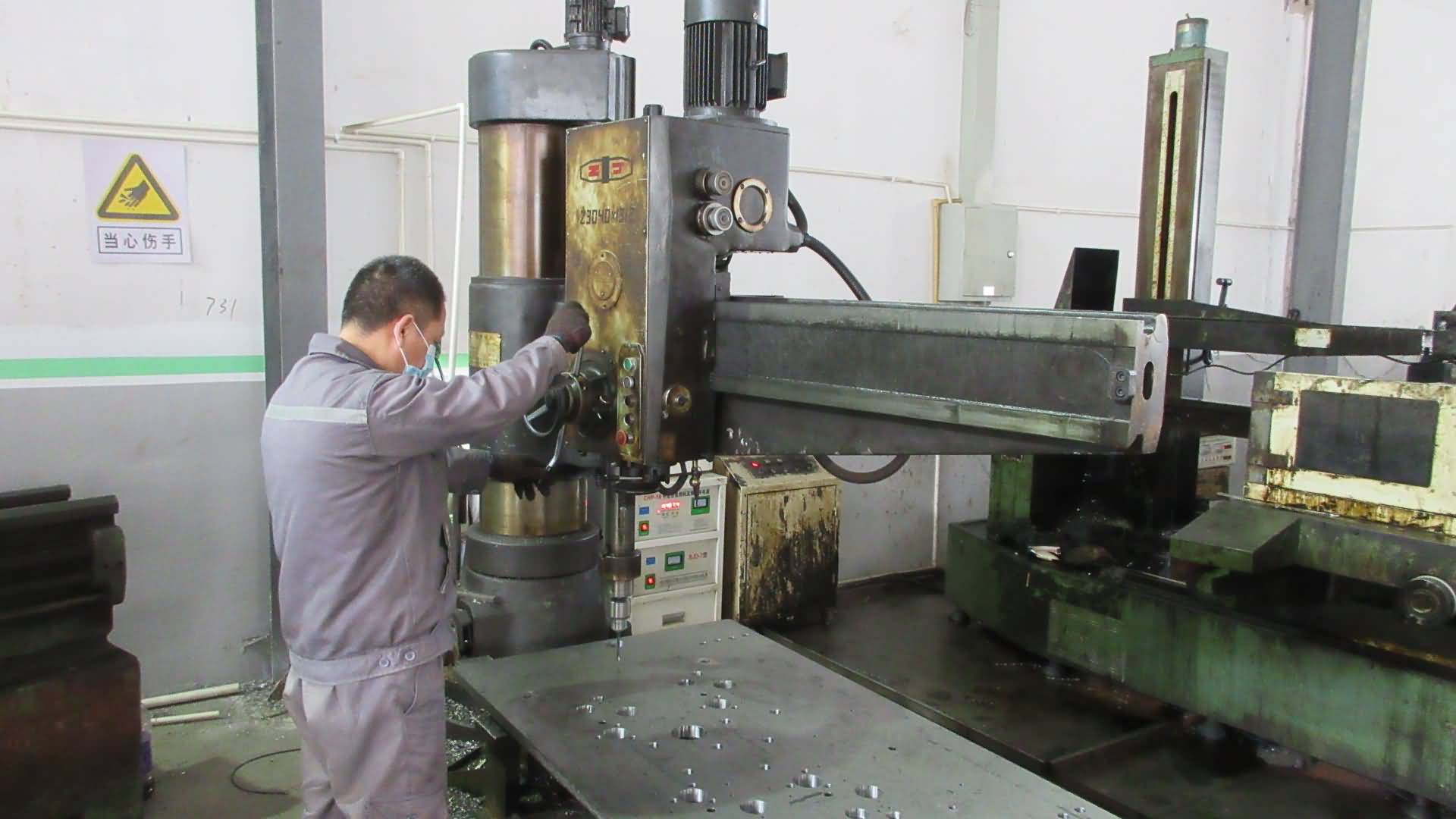
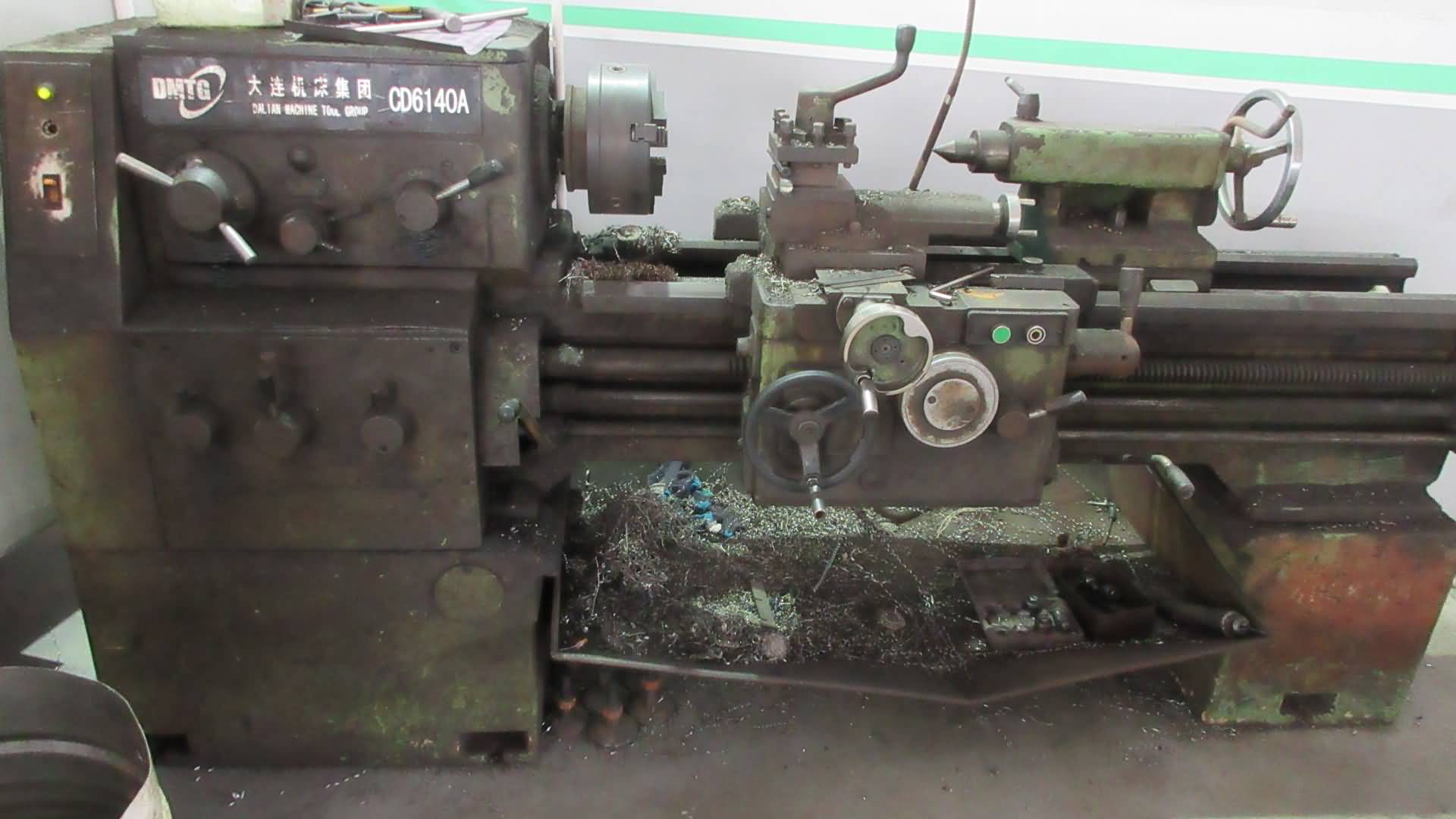
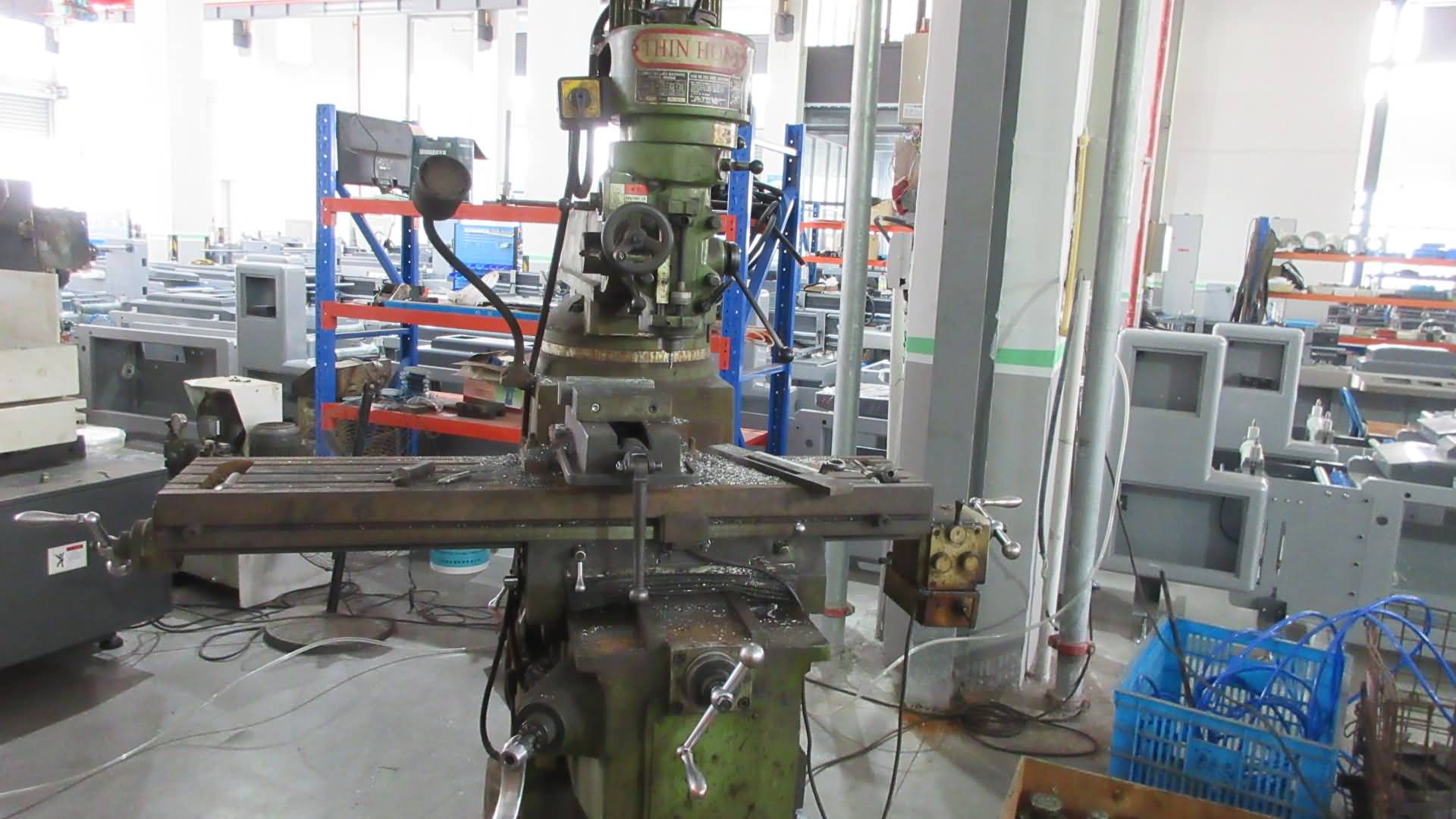
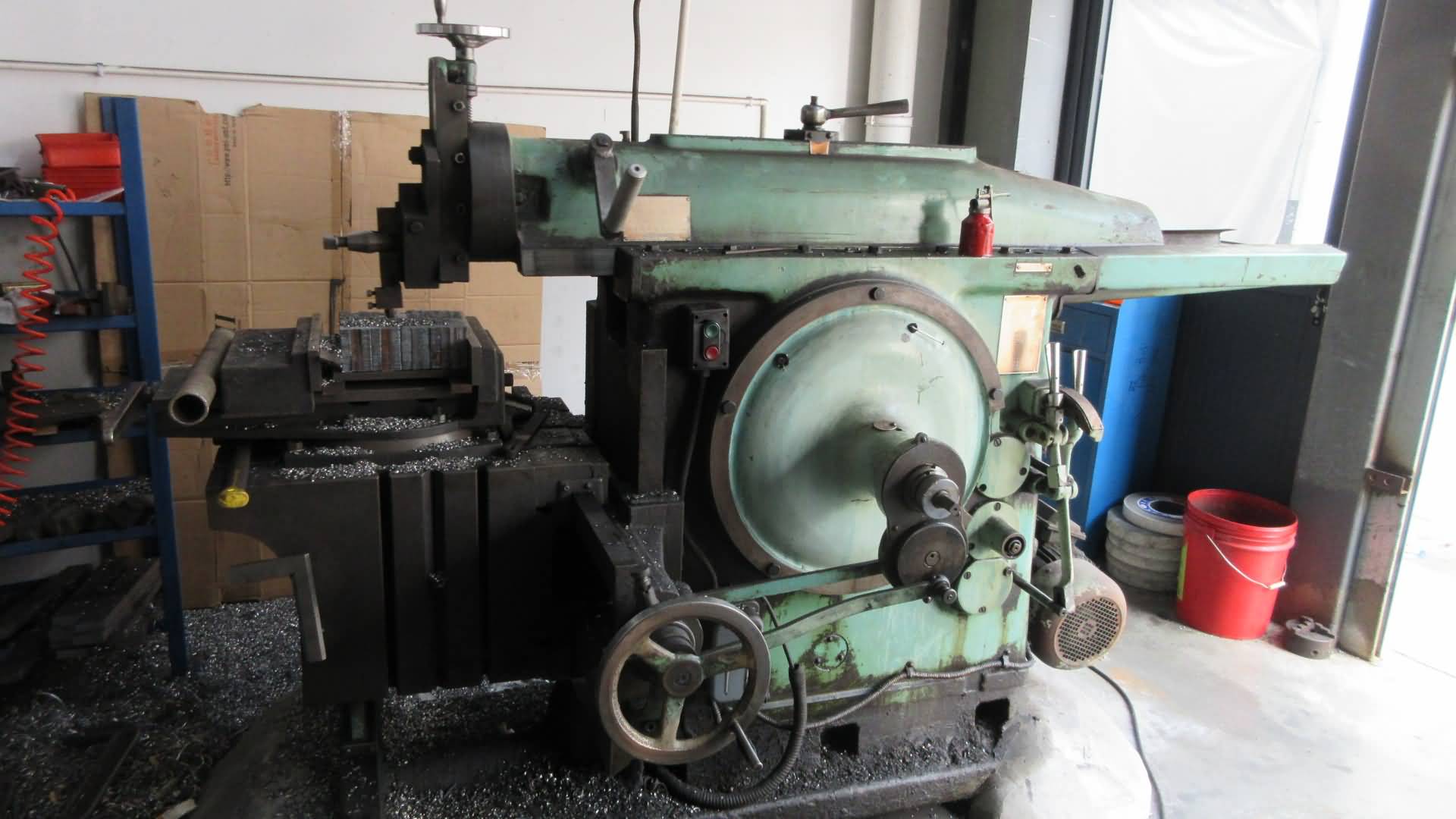
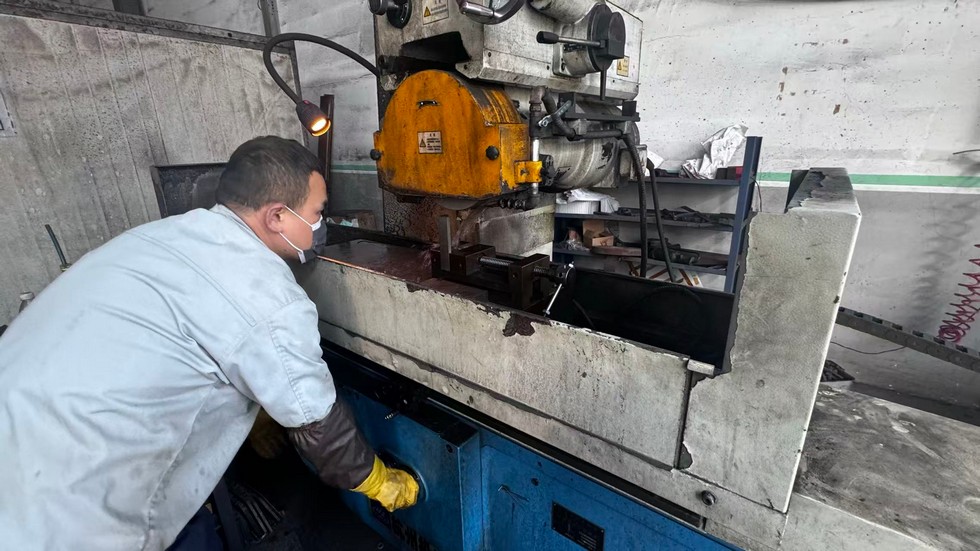
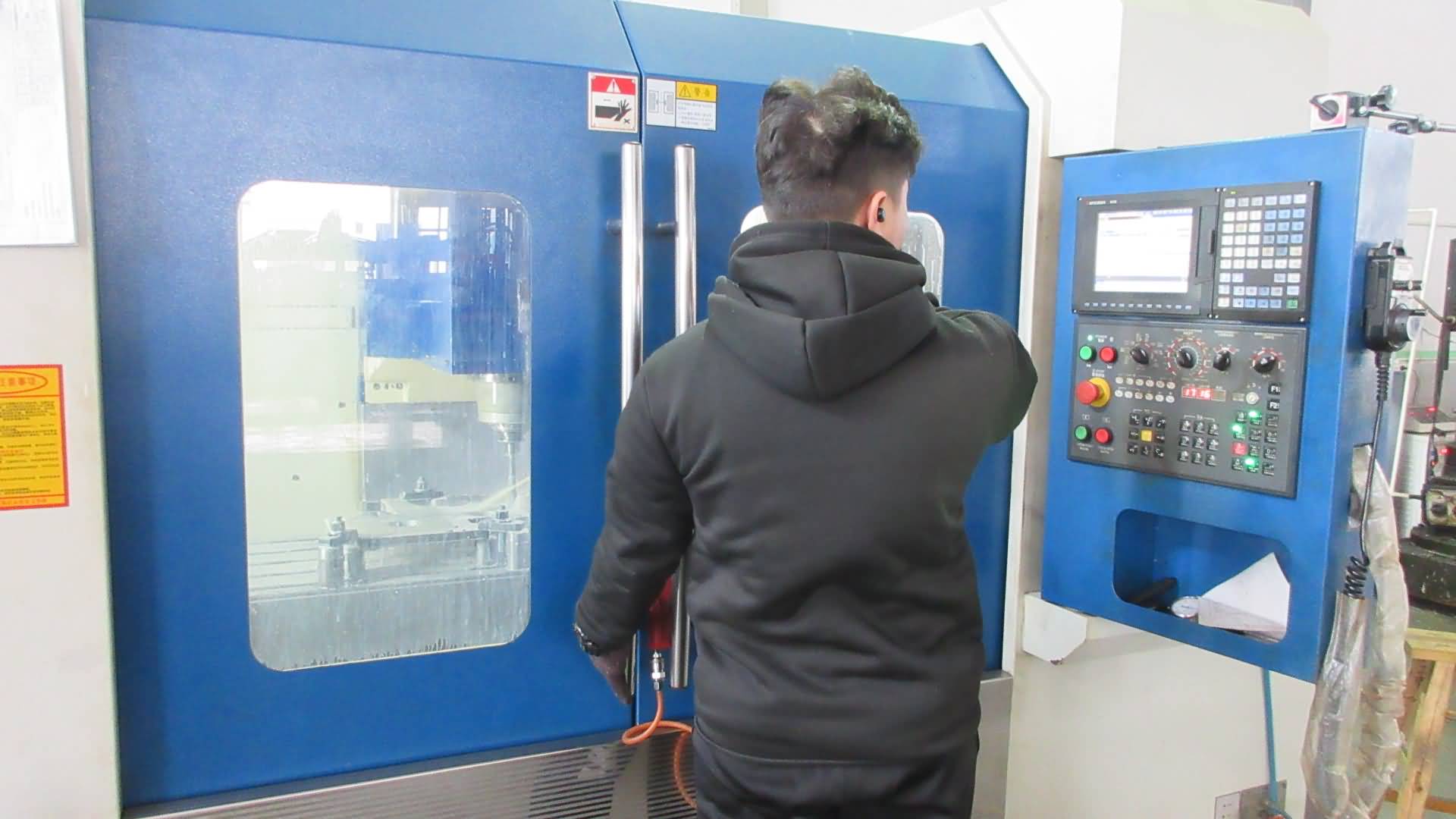
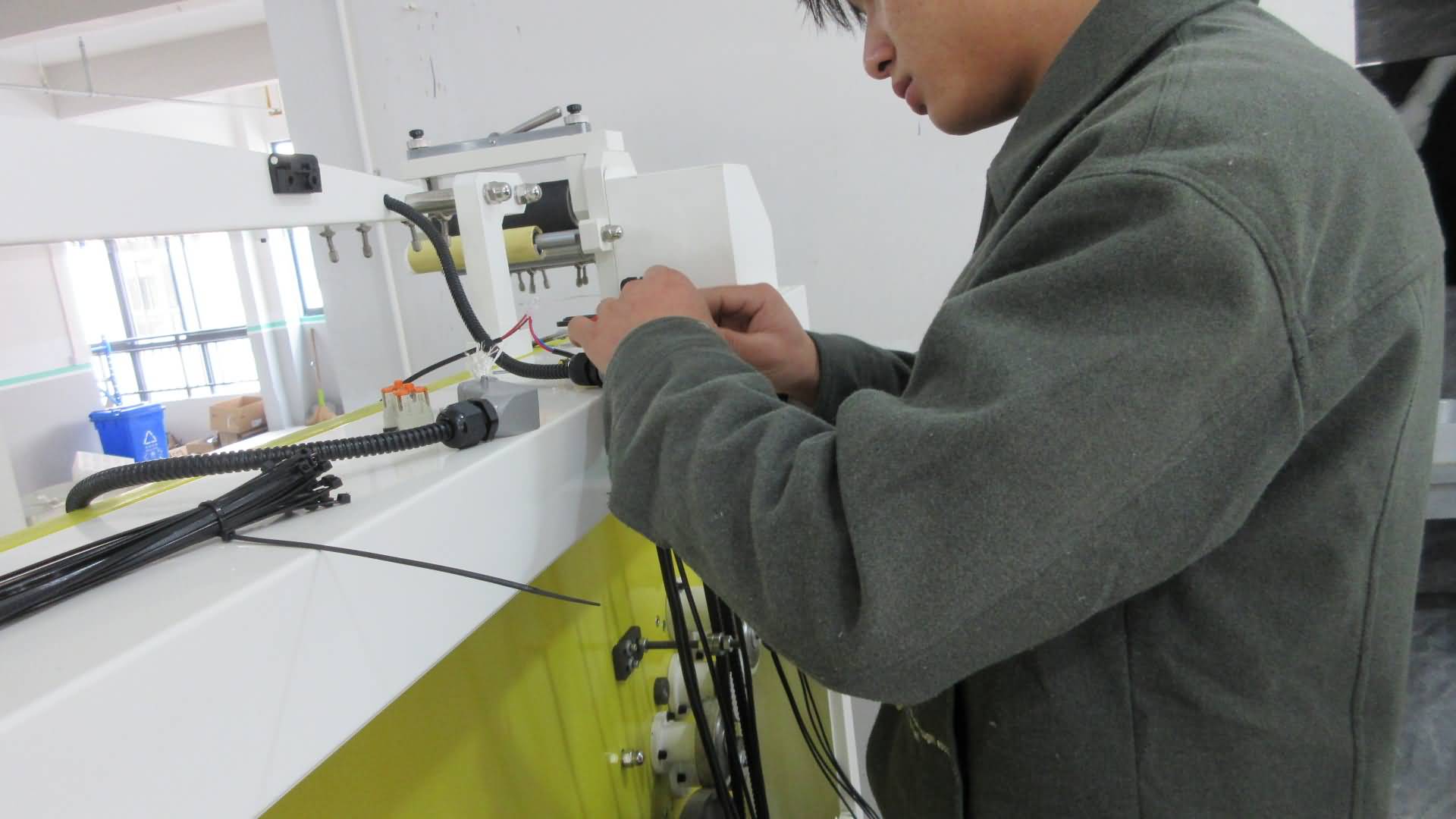
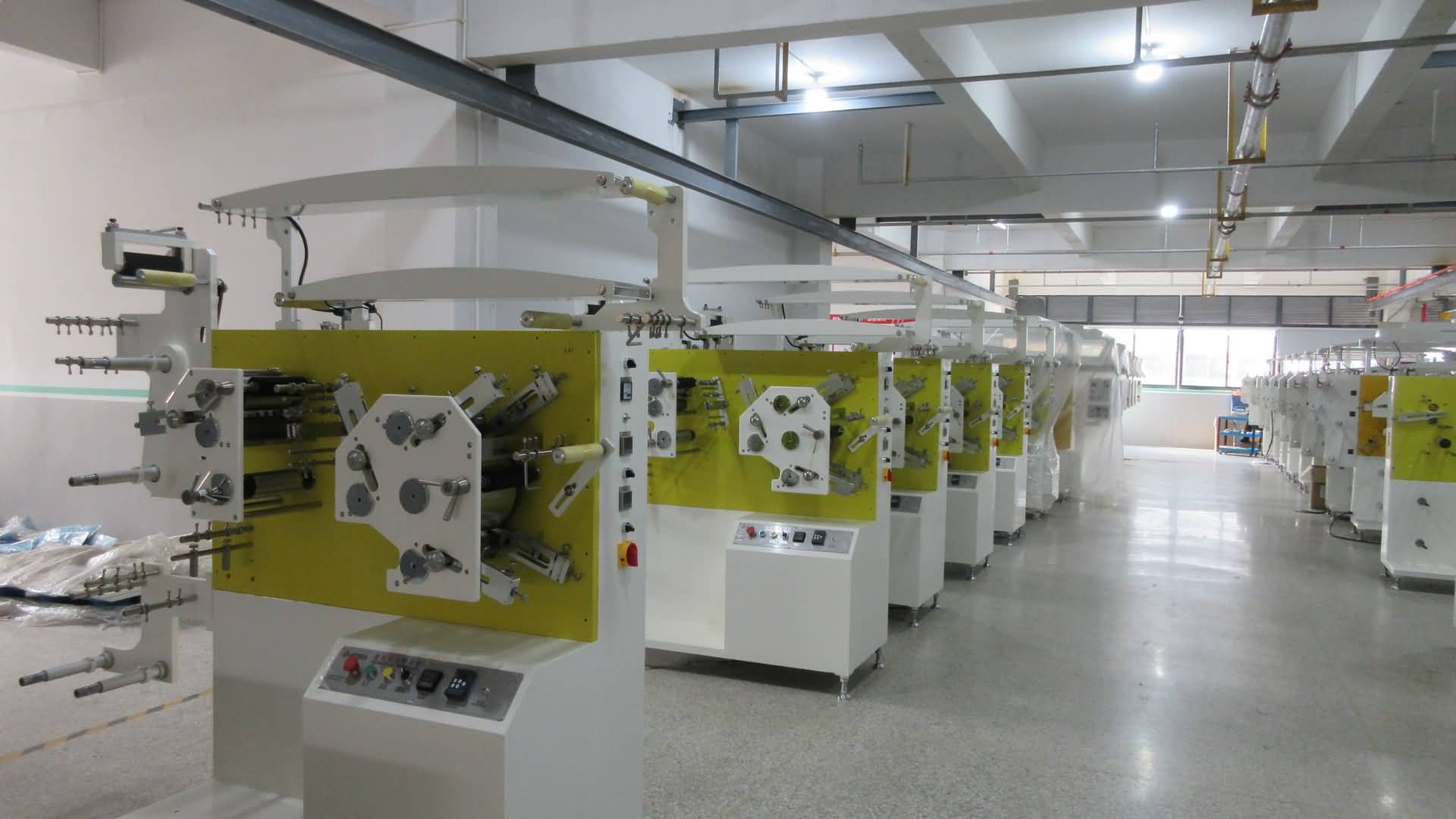
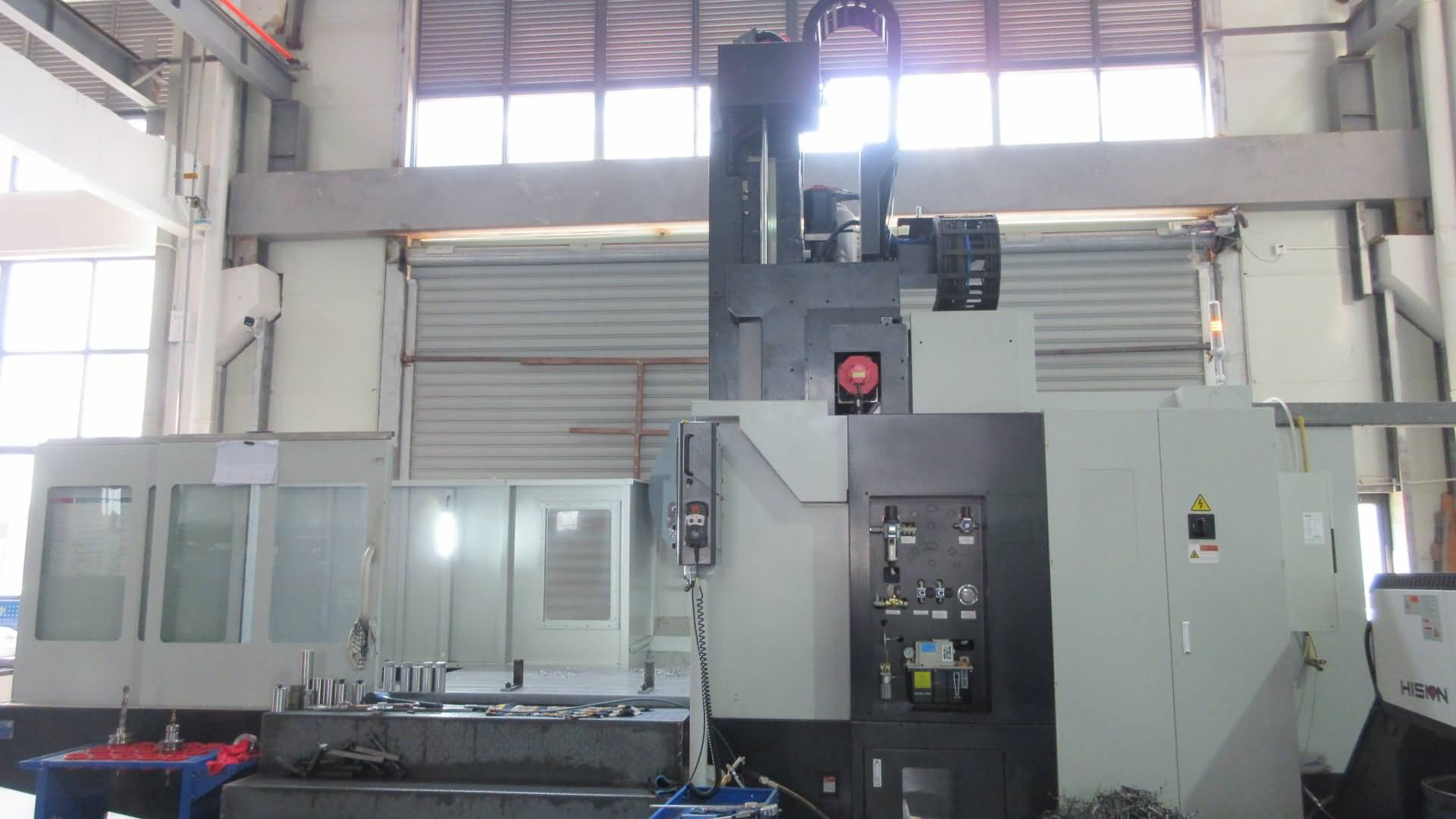
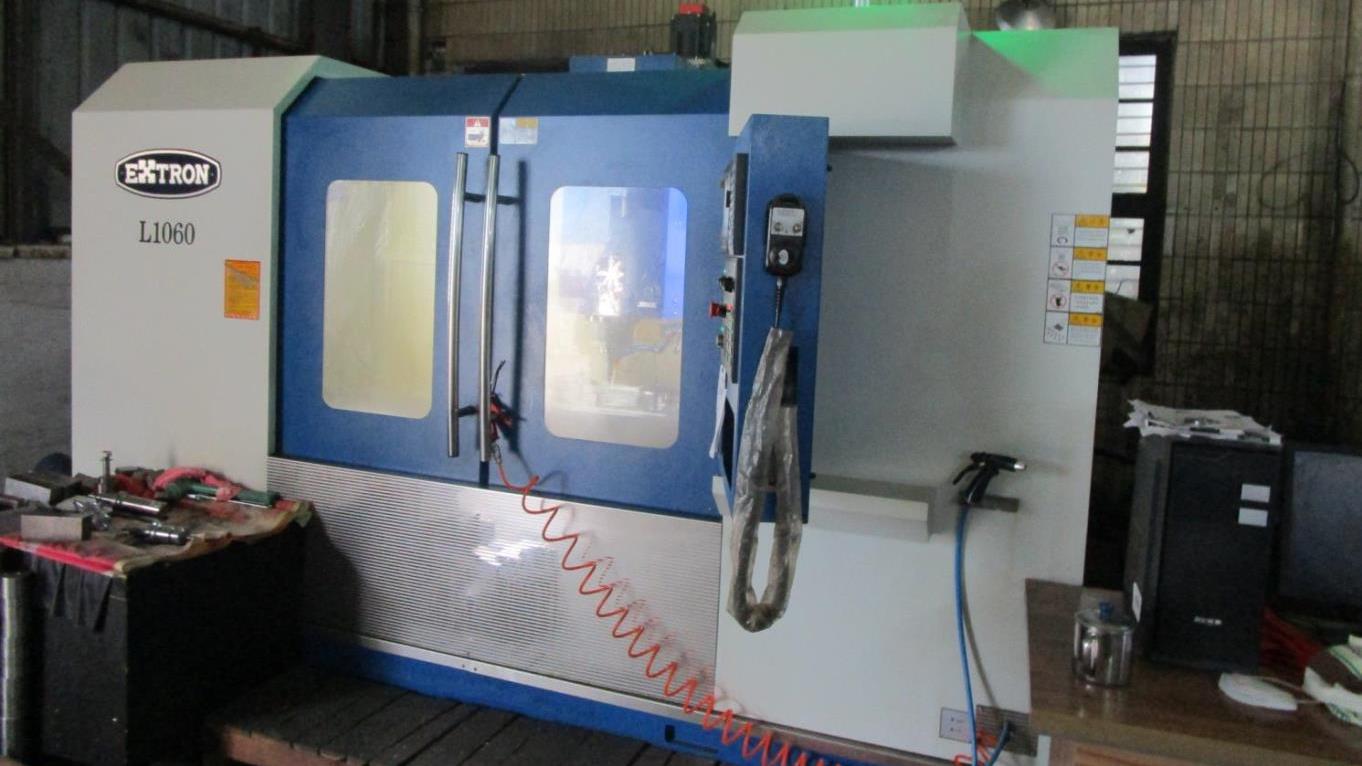
Inside our advanced manufacturing facility, where precision engineering meets heavy-duty casting and modern automation systems.
Guangdong Moveco Machine Co., Ltd. is a professional manufacturer specializing in the research, development, production, and sales of advanced label printing, converting, and finishing equipment. With years of industry experience, state-of-the-art manufacturing facilities, and a highly skilled engineering team, Moveco is committed to providing innovative, efficient, and reliable solutions for the global label printing industry.
Our company has introduced advanced CNC machining equipment, including high-precision lathes, milling machines, grinding machines, and other precision processing systems. Supported by experienced technical professionals and a strict quality management system, every machine is manufactured to meet international quality standards, ensuring excellent performance, long service life, and reliable operation.
Moveco integrates advanced automation and intelligent control technologies into its equipment. Our machines are equipped with user-friendly touch-screen control systems, precision servo drive technology, and intelligent registration systems to achieve stable operation, accurate color registration, and high-speed production with outstanding printing quality. Different substrate tensions can be adjusted through the control interface, while automatic inking, washing, and quick-change cylinder systems significantly improve production efficiency and reduce downtime.
The main machine frame is manufactured through one-piece precision casting and undergoes annealing treatment to eliminate internal stress, ensuring exceptional structural stability and long-term accuracy. Key transmission components are driven by internationally recognized servo motors, providing high torque, low heat generation, minimal wear, and precise motion control. Surface-treated chrome-plated cylinders offer excellent scratch resistance, durability, and consistent printing performance.
Tailored machinery platforms designed to meet the quality and regulatory demands of diverse global industries.
Medical label converting requires strict cross-contamination controls and high-precision register printing for small text and matrix codes. Moveco designs high-resolution digital inkjet and narrow web flexo systems featuring inline vision inspection. These systems detect print defects in real time and automatically flag out-of-spec products, helping plants maintain compliance with FDA and EU medical standards.
High-volume beverage production relies on durable, clear film labels. Our CI flexo systems and high-speed rotary screen presses are designed to handle thin films and lay down opaque inks. Quick-change print sleeves and automatic washing systems reduce transition times between product runs, optimizing overall equipment efficiency.
Industrial stickers for containers, drums, and chemical bottles must withstand exposure to moisture, UV light, and solvents. Moveco label converting lines support inline hot foil stamping, heavy varnish curing, and precise die-cutting. This provides robust finishes that meet GHS safety standards and maintain long-term label readability.
The growth of global supply chains drives demand for shipping and blank thermal transfer labels. Our high-speed jumbo roll processing machines and rotary die-cutters operate at high line speeds, offering consistent tension control and clean cutting to support high-volume distribution centers.
Comprehensive localized technical support, compliance certification, and engineering services for international installations.
Every region has specific industrial codes. Guangdong Moveco designs machinery to comply with European CE directives and UL electrical standards. Electrical cabinets utilize premium components like Schneider or Siemens PLC and drive hardware. This simplifies local inspections, supports easy part replacement, and maintains plant safety.
Minimize downtime with direct technical support. Moveco equipment can be configured with remote ethernet gateways, allowing our engineers to diagnose PLC logic, tune servo loops, and update software remotely. For on-site installation, commissioning, and training, we coordinate with localized service technicians to ensure rapid support.
Next-generation innovations in packaging machinery, focusing on IoT diagnostics and energy-efficient drying systems.
Our upcoming machine lines integrate predictive vibration sensors on all main bearings and servo drives. By tracking mechanical stress patterns and temperature profiles, the system alerts operators to perform preventive maintenance before failures occur. This helps high-output packaging plants reduce unscheduled downtime.
Energy consumption is a major variable in operating costs. Future Moveco models feature smart air recirculation drying systems and efficient LED-UV curing heads. These systems automatically adjust output power based on line speed, reducing energy consumption by up to 30% compared to standard UV lamps.
High-speed converting, inline printing, and automated processing lines engineered for modern packaging plants.
Detailed answers to common technical, mechanical, and logistical questions raised by factory managers and purchasing directors.
A1: Annealing is a heat treatment that alters the physical and chemical properties of cast metal to reduce internal stresses. By heating the one-piece cast frame and cooling it slowly, we eliminate microscopic stresses. This prevents structural distortion over time, keeping the cylinders, gearboxes, and servo mounts aligned to maintain register accuracy during years of high-speed operation.
A2: Stack-type inline presses feed the substrate through separate print stations, which can stretch elastic films like BOPP, PE, or PET and cause registration errors. A CI press locks the film against a single, temperature-controlled drum, carrying it through all print stations without stretching. This allows printing on films as thin as 12-20 microns while maintaining register accuracy within 0.05 mm.
A3: Mechanical line shafts use gears, belts, and couplings that introduce physical backlash, wear, and torsion, leading to registration errors. Multi-axis servo systems equip each printing and converting station with a dedicated motor controlled by a centralized motion controller. This system continuously monitors web position and adjusts alignment in fractions of a millimeter to ensure stable print quality.
A4: Yes, our dual-purpose Converting lines feature closed-loop tension systems. The operator can select predefined material profiles (e.g., 80gsm paper, 20-micron BOPP, or 250gsm folding cardboard) via the PLC touch interface. The system automatically adjusts magnetic powder brakes, load cells, and servo feed rates to maintain the correct web tension for the selected material.
A5: In fully rotary die-cutting, every change in label length requires purchasing a new, costly magnetic cylinder. Semi-rotary die-cutting uses a single cylinder size. The PLC dynamic control system feeds the printed web forward, performs the cut, and retracts the web slightly to align for the next cut. This allows processing varying label lengths on the same cylinder, reducing tooling costs and setup times.
A6: We construct all export machines to meet European CE standards, using low-voltage safety architectures and premium industrial electronics. For North American imports, we configure electrical cabinets with UL-recognized components, including overload breakers, safety relays, and emergency stop systems to ensure compliance with local electrical safety inspections.
 Moveco Machine