Top 10 Custom Label Printing System Factories & Exporters

The Ultimate Engineering Guide & Industrial Intelligence Report on Global Label Printing, Converting, and Advanced Web Finishing Systems.

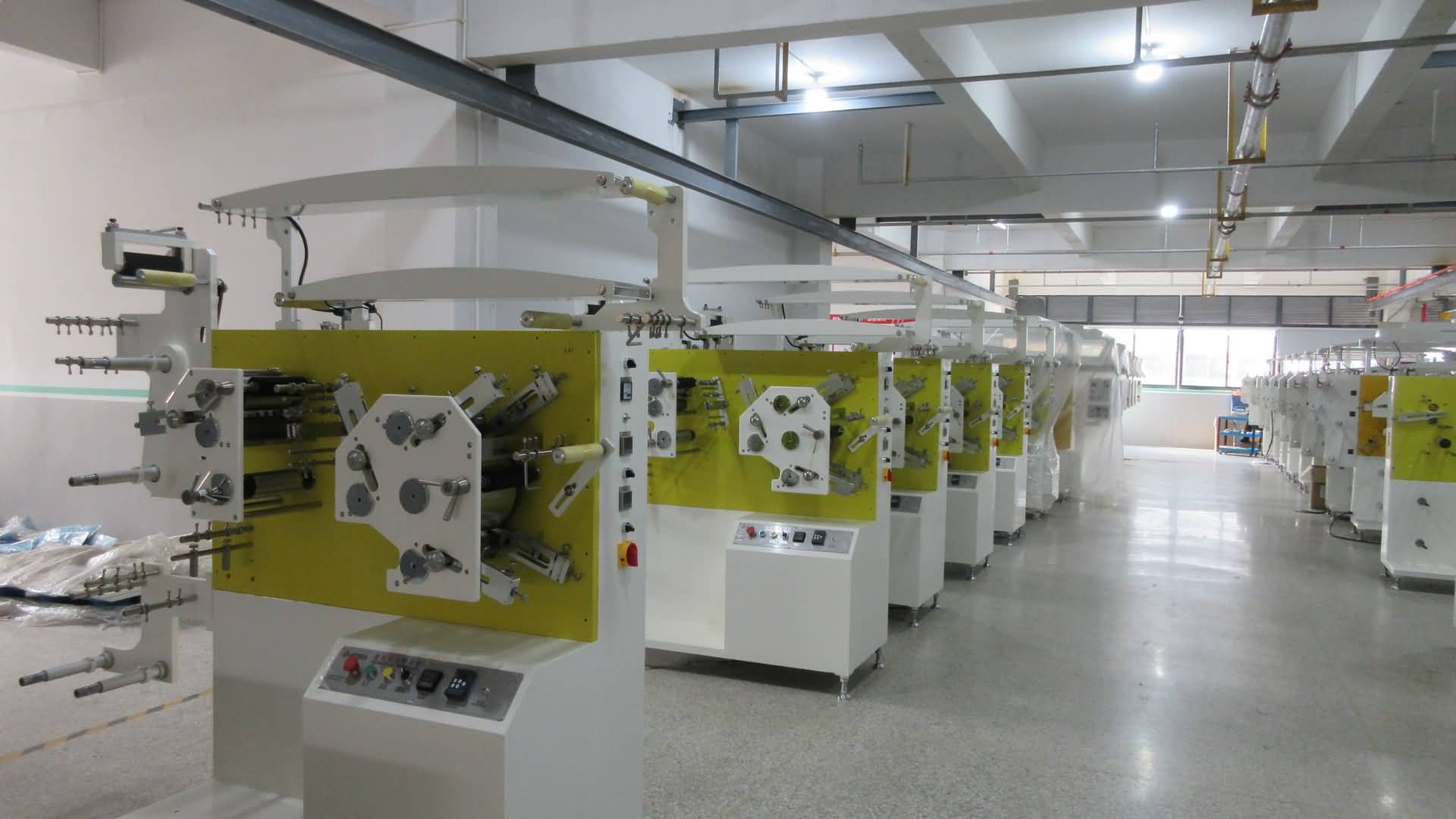
Premium Label Printing & Converting Systems

Industrial-grade precision machinery engineered for high-performance roll-to-roll labels, packaging substrates, and specialized die-cutting workflows.
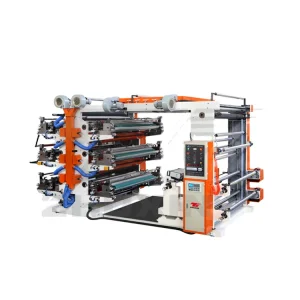
Guangdong Moveco Machine Co., Ltd.

Guangdong Moveco Machine Co., Ltd. is a professional manufacturer specializing in the research, development, production, and sales of advanced label printing, converting, and finishing equipment. With years of industry experience, state-of-the-art manufacturing facilities, and a highly skilled engineering team, Moveco is committed to providing innovative, efficient, and reliable solutions for the global label printing industry.

Core Philosophy: "Innovation, Quality, Efficiency, and Customer Success." We continuously invest in technological development, precision manufacturing, and responsive global after-sales support to deliver unmatched field reliability.

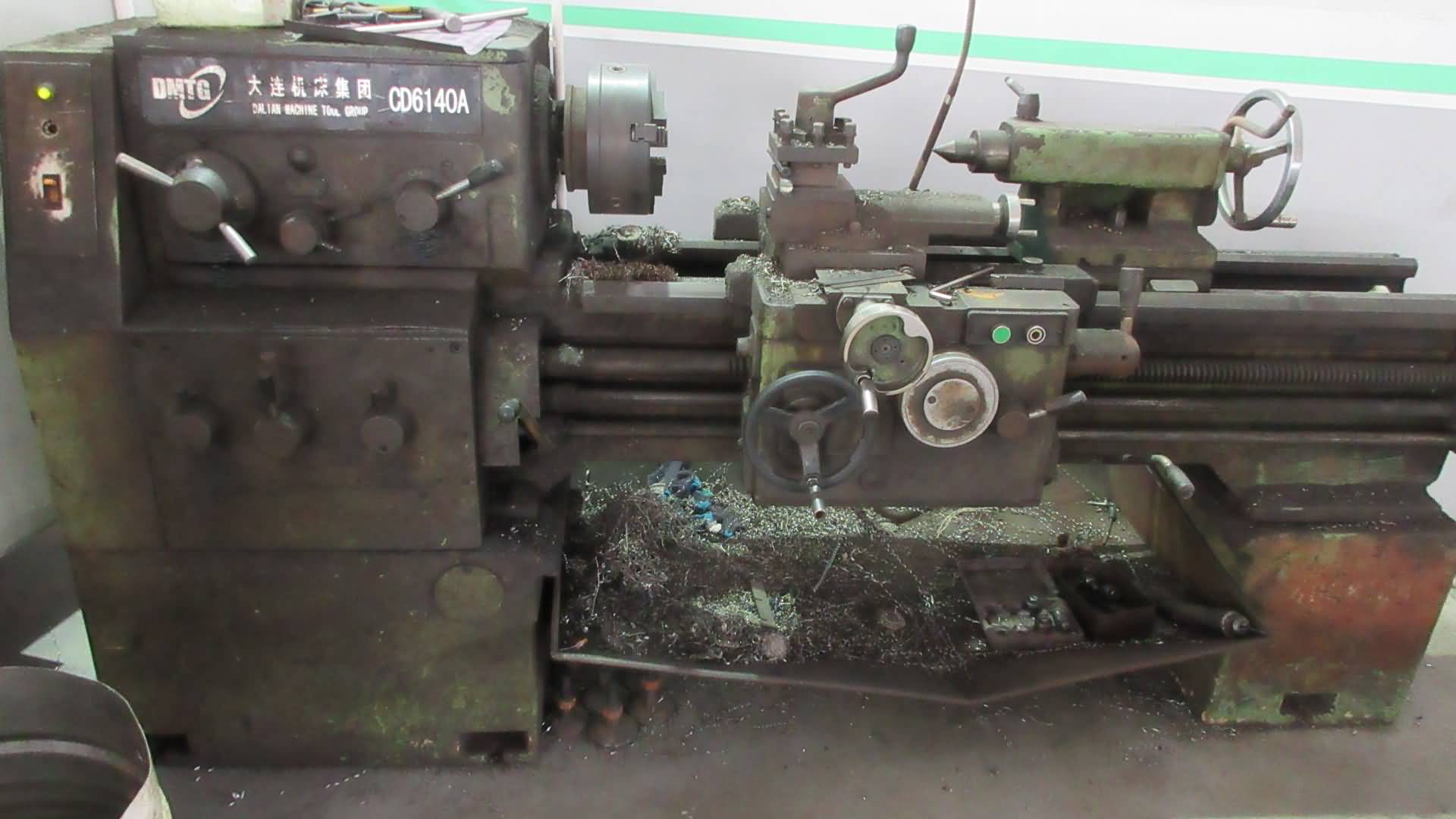
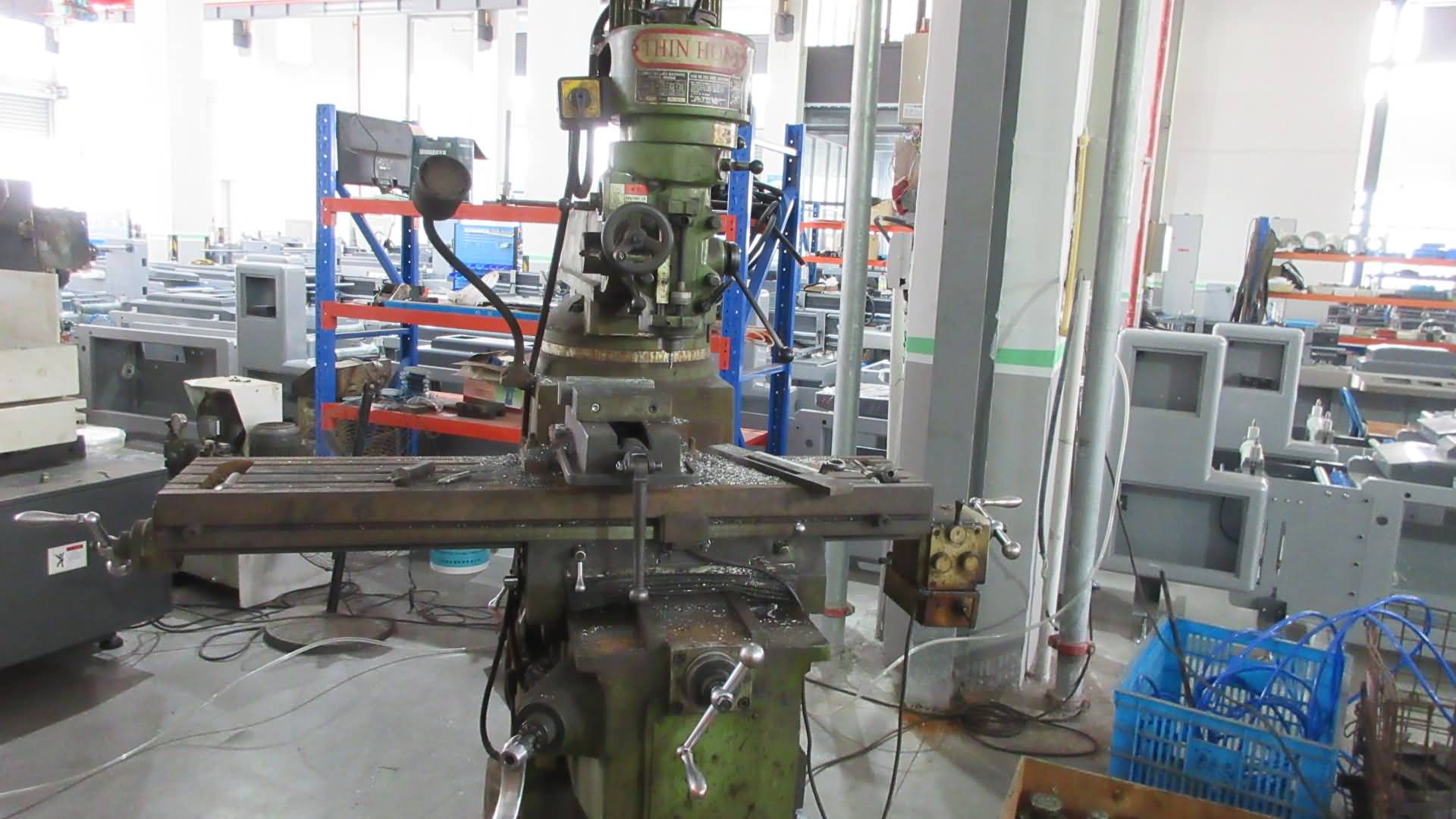
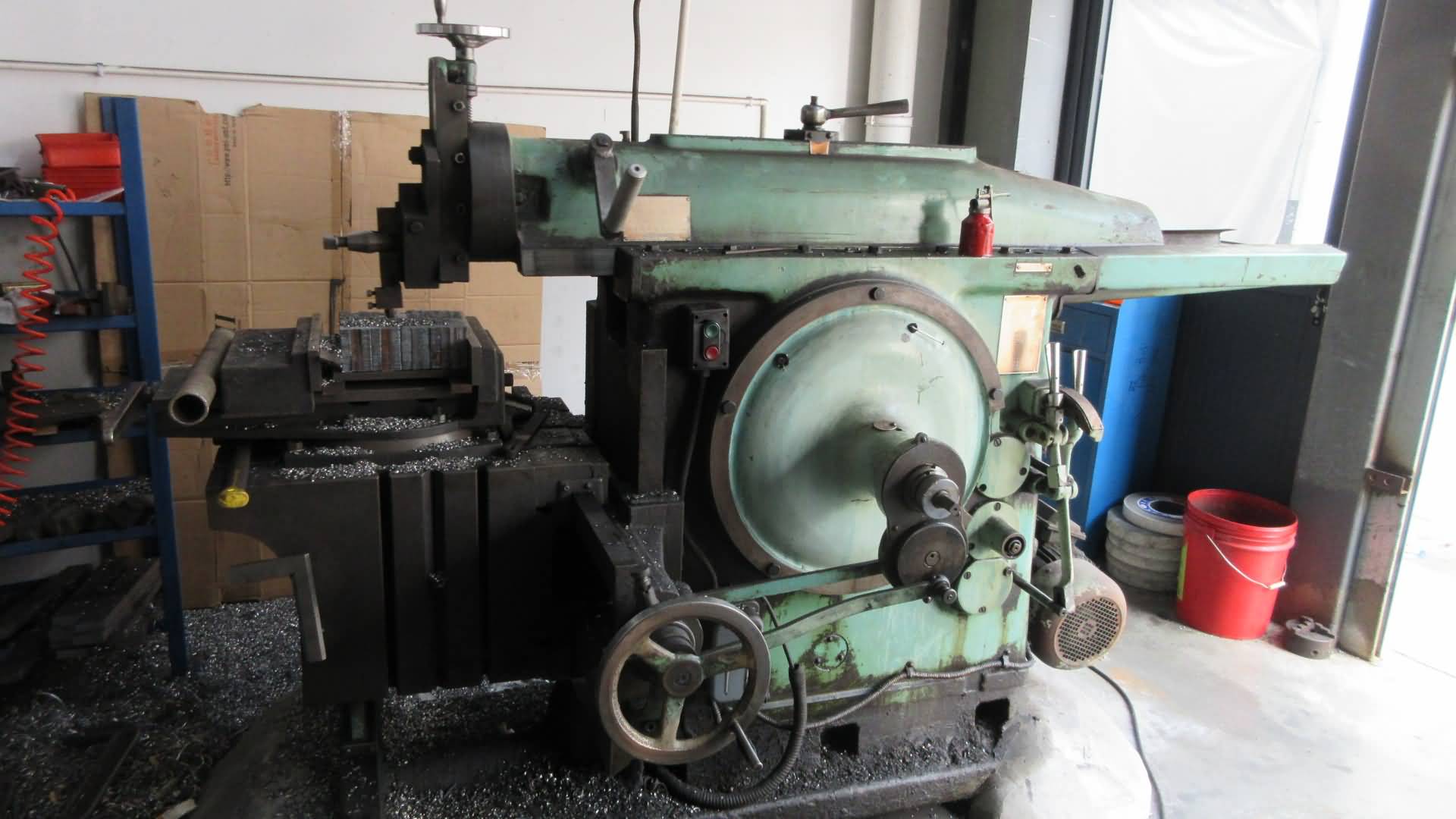
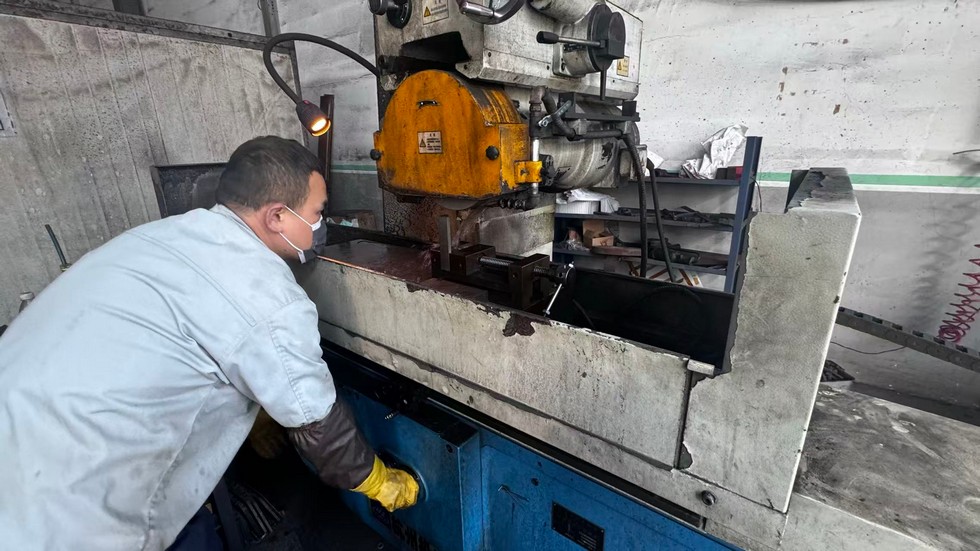
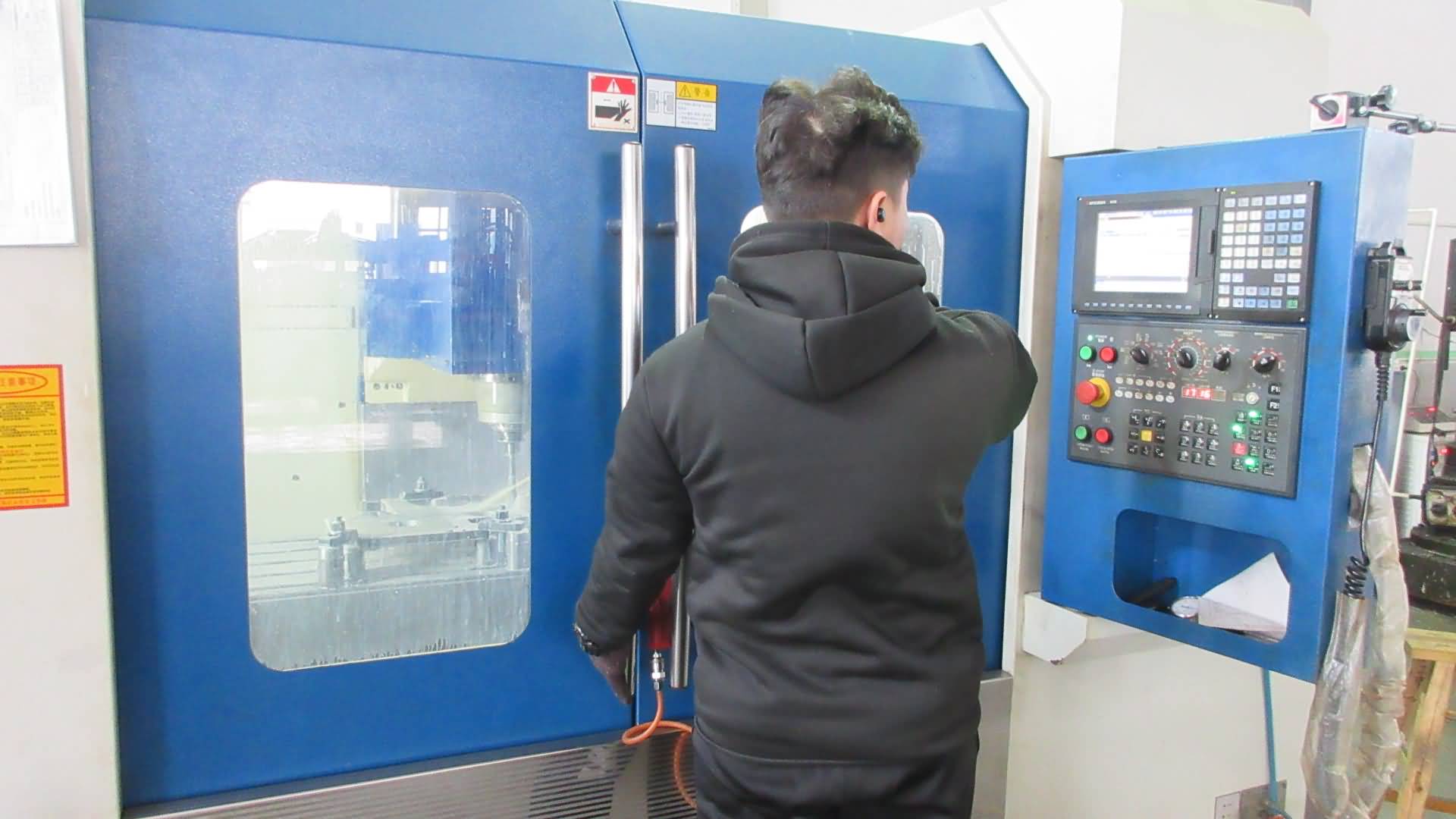
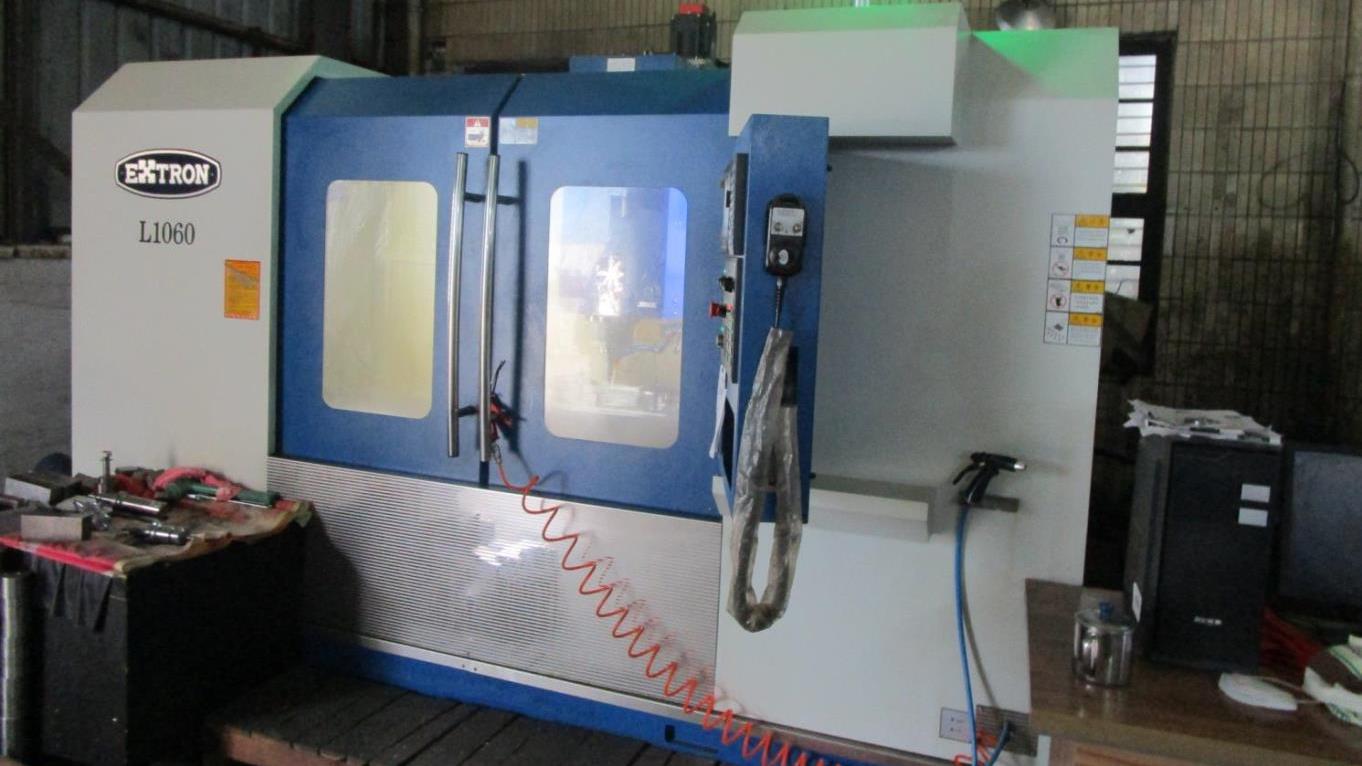
Our company has introduced advanced CNC machining equipment, including high-precision lathes, milling machines, grinding machines, and other precision processing systems. Supported by experienced technical professionals and a strict quality management system, every machine is manufactured to meet international quality standards, ensuring excellent performance, long service life, and reliable operation.

Moveco integrates advanced automation and intelligent control technologies into its equipment. Our machines are equipped with user-friendly touch-screen control systems, precision servo drive technology, and intelligent registration systems to achieve stable operation, accurate color registration, and high-speed production with outstanding printing quality.

15+
Years Engineering Experience
98.8%
Registration Accuracy
50+
Exporting Countries
24/7
Technical Support

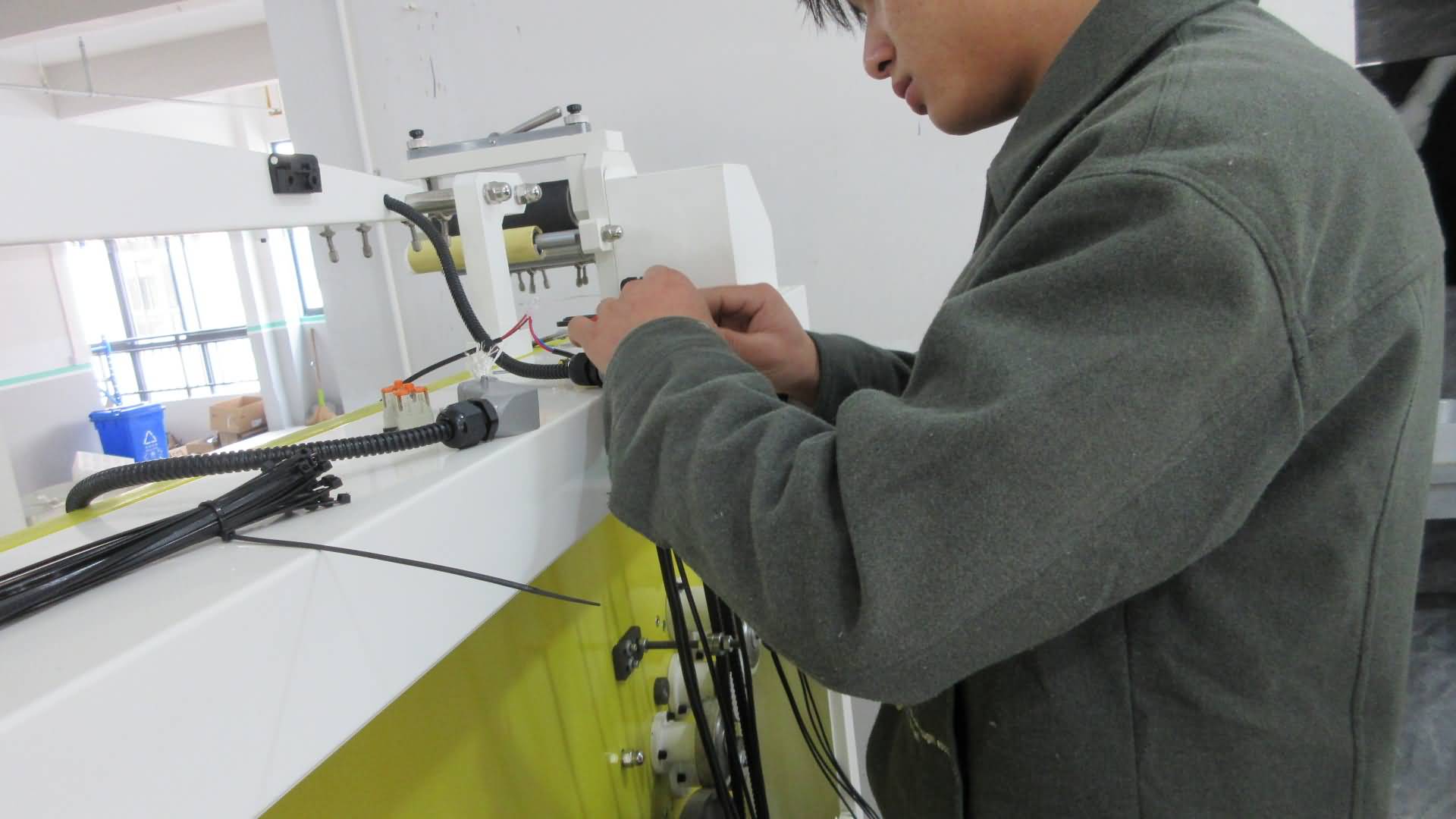
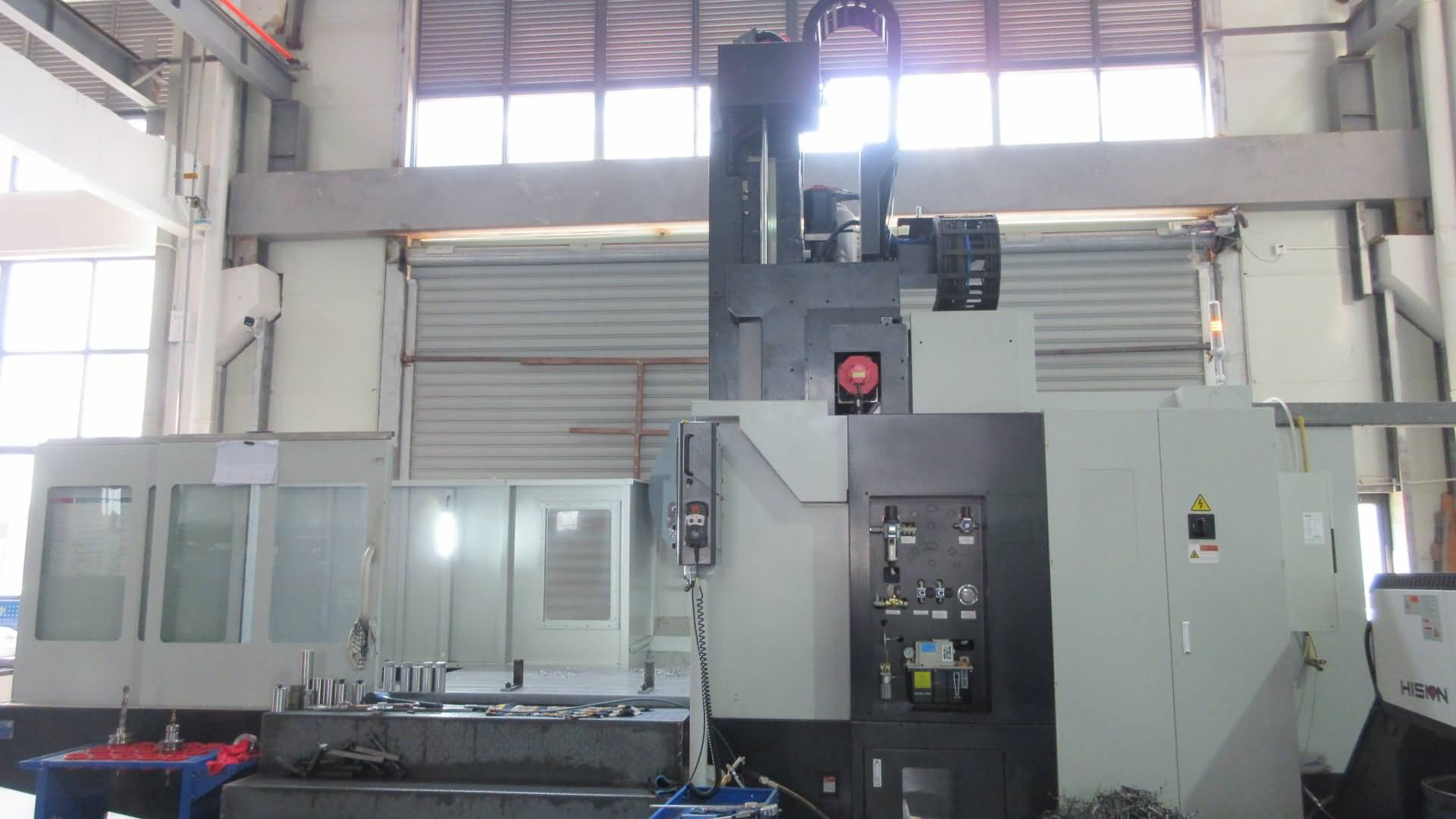
Advanced CNC Manufacturing & Workflow Execution

Every Moveco machinery component is manufactured in-house through rigid machining steps to ensure structural alignment and long-term mechanical accuracy.
Raw Material Inspection
Raw Material
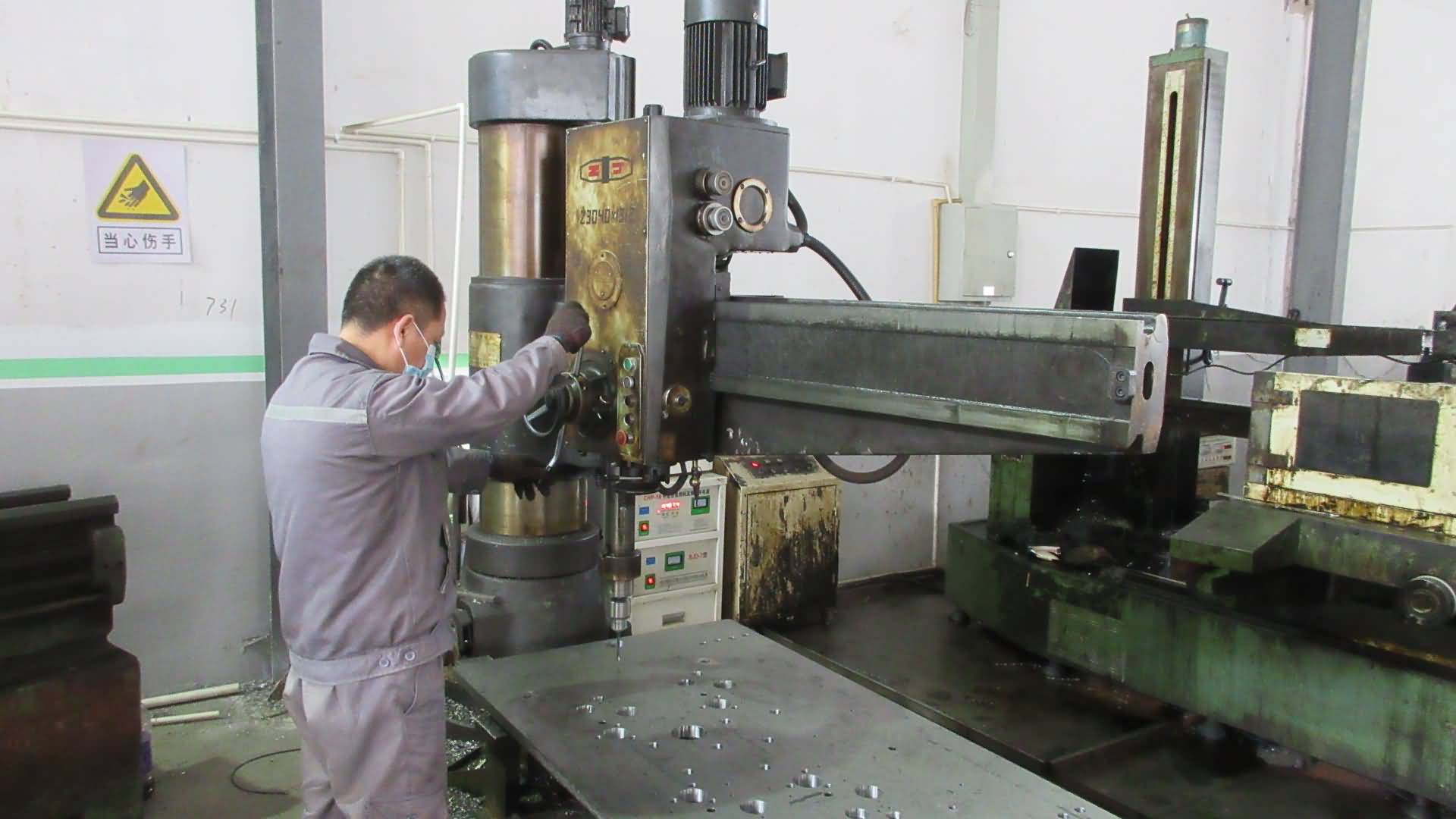
Precision Drilling Process
Drilling
Heavy Duty Lathing
Lathing
Vertical Milling Operations
Milling
Surface Grinding for High Precision
Grinding
Laser Cutting Sheet Metal
Cutting
CNC Machining Elements
Machining
System Assemblies and Electrical Layouts
Assembling
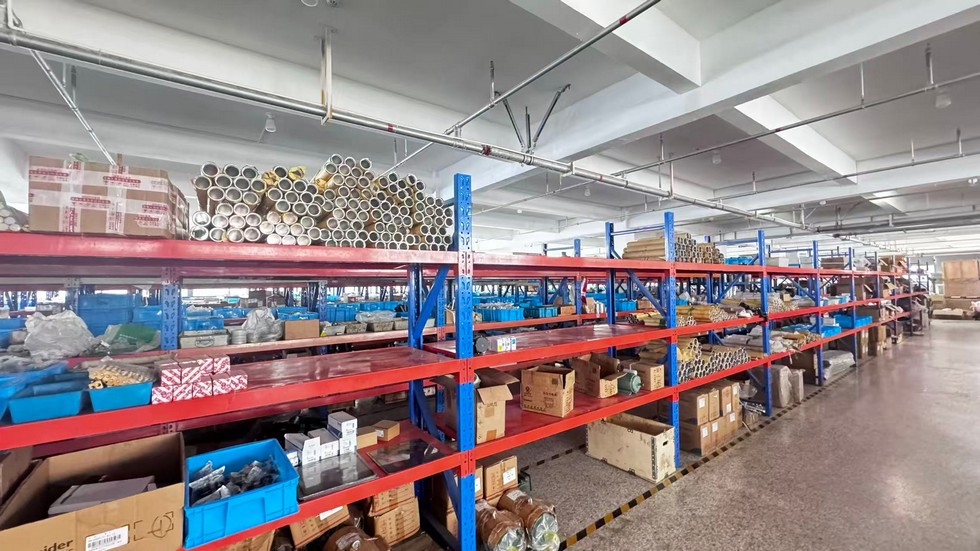
Organized Parts Warehouse
Warehouse
Large Scale Machining Gantry Center
Large Machining Center
Highly Advanced Machining Operations Room
Machining Center

Industrial Whitepaper: The Global Evolution of Custom Label Printing & Converting Systems

An authoritative analysis of structural market dynamics, engineering requirements, and procurement vectors shaping the roll-to-roll printing industry.

1. Global Market Context & Industrial Demand Dynamics

The global market for label printing systems has transitioned from simple mechanical imprint devices to integrated, multi-process digital and flexographic converting lines. Today's commercial ecosystem demands fast turnaround times, low substrate waste, and micro-precision registration capabilities. Industries such as Fast-Moving Consumer Goods (FMCG), pharmaceutical packaging, chemical labeling, and automotive manufacturing require distinct technical layouts to handle diverse materials—ranging from thin PE, BOPP, and HDPE films to heavy cardboard stock.

The rise of tracking technologies, such as RFID and QR serialization, has forced machinery manufacturers to integrate specialized electronic and physical modules into the web path. For example, systems like the Industrial Wide Format Label & Sign Printer MS-T570 now routinely incorporate RFID ribbon encoders to write data to chips inline, simultaneously printing human-readable data on the face material. Additionally, the transition toward eco-friendly linerless labels and thinner film liners requires advanced tension systems to prevent web deformation during high-speed run times.

2. Mechanical Engineering Excellence & Structural Stability

A key factor in high-speed rotary printing and die-cutting is structural integrity. When a machine operates at line speeds exceeding 150 meters per minute, any microscopic vibration in the frame can result in color register deviation, die-cutting errors, or accelerated tooling wear. Leading manufacturers, including Guangdong Moveco Machine Co., Ltd., construct main machine frames using one-piece precision casting. This frame then undergoes a thermal annealing process to relieve internal mechanical stresses, ensuring the machine maintains micro-level alignment throughout years of double-shift production.

Key components are driven by dedicated servo motors with planetary gearboxes, replacing traditional mechanical gear transmissions. This direct-drive servo configuration allows independent speed and tension control for each print unit. Operator interfaces can adjust tension dynamically across different substrates (e.g., rigid paper vs. stretchable LDPE/CPP films) to maintain accurate alignment, even during acceleration and deceleration phases.

Intelligent Register Control

Closed-loop photo-sensor tracking systems detect registration marks on the web and adjust the plate cylinders via servo correction, keeping lateral and longitudinal alignment deviations under 0.1 mm.

Minimized Setup Downtime

Features such as quick-change plate cylinders, slide-out ink cassettes, and automatic wash-up cycles allow operators to switch jobs in minutes, maximizing overall equipment effectiveness (OEE).

Inline Multi-Process Finishing

Modular systems allow the integration of flexographic printing, digital inkjet modules, rotary hot-stamping, UV varnishing, and rotary die-cutting within a single pass, eliminating secondary converting processes.

3. Why Global Procurement Officers Leverage Chinese Machinery Manufacturers

The label and packaging industry is experiencing a shift in machinery procurement, with Chinese exporters becoming a primary source for system installations worldwide. This trend is driven by several key factors:

  • Highly Integrated Supply Chain Ecosystems: Manufacturing hubs in Guangdong province house specialized casting, precision machining, electronic assembly, and tooling suppliers in close geographic proximity. This concentration shortens product development and manufacturing cycles.
  • Agile Customization Capabilities: Chinese engineers can adapt machine layouts to specific production requirements, such as combining inline laminating, cold-foiling, dual die-cutting stations, or custom web widths, without the long lead times of European manufacturers.
  • Advanced Machining Technology: Modern Chinese factories use high-precision CNC machining centers, automated horizontal millers, and cylindrical grinders. These technologies help ensure components meet international standards like CE and ISO 9001.
  • Cost-to-Performance Value: Without compromising component quality (often using components from brands like Mitsubishi, Yaskawa, Siemens, and SMC), Chinese manufacturers deliver systems that lower the initial capital expenditure (CAPEX) for global converters, accelerating return on investment (ROI).

4. Application Scenarios & Technology Selection

Choosing the right printing and converting technology depends on the target application, production volume, and material characteristics:

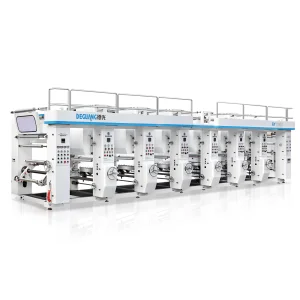
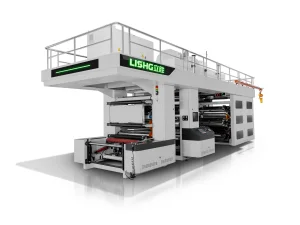
  • Flexible Packaging & High-Volume Film Labels: Central Impression (CI) flexo presses, such as the Lisheng Servo Motor CI Flexo Printing Machine, are ideal. The central drum design supports the substrate with consistent back-pressure, preventing elongation of flexible films like BOPP, PE, and LDPE.
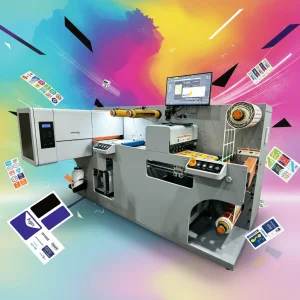
  • Short-Run Cosmetics & Commercial Decals: Digital adhesive roll-to-roll label printing machines, like the Nexus 350J, eliminate plate-making costs, making them a cost-effective solution for short runs, variable data printing (VDP), and complex multi-version SKUs.
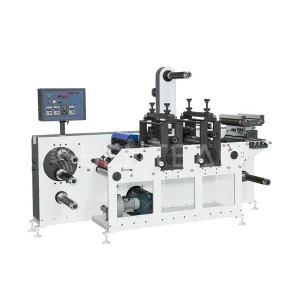
  • Premium Wine, Spirit, and Luxury Labels: These require finishing systems that can perform multiple embellishments in a single pass. Combining rotary die-cutting with inline hot-foil stamping and embossing units yields high-end tactile effects.
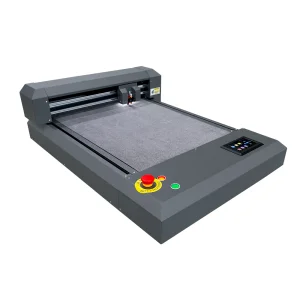
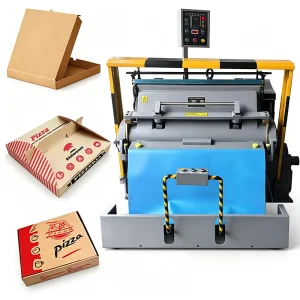
  • Precision Industrial Seals & Gaskets: For materials like automotive shielding, double-sided foam tapes, and screen-printed graphic overlays, high-speed flatbed plotters or high-precision rotary die-cutters are required to maintain strict dimensional tolerances.

Technical Specifications & Engineering Solutions FAQ

Direct, engineering-focused answers to help procurement managers evaluate and select label converting equipment.

How does web tension control affect color registration accuracy on thin film substrates?
Thin plastic films (like BOPP, LDPE, and PE) stretch under tension. If tension fluctuates as the roll unwinds or rewinds, the print units will deposit ink in slightly offset positions, causing misregistration. Advanced label printing systems use a closed-loop tension control system. This system includes low-friction dancer rollers, ultrasonic web-break detectors, and magnetic powder brakes or regenerative AC servo motors. These components maintain constant web tension within deviations of less than 0.5 Newtons across all print and converting stations.
What are the advantages of inline UV-LED curing over traditional mercury arc lamps?
UV-LED curing systems offer several operational benefits: they generate minimal heat, protecting heat-sensitive films from shrinking; they turn on and off instantly without warm-up periods; they consume up to 60% less electrical energy; and they have an operating lifespan of over 20,000 hours, compared to the 1,000–1,500 hours of standard mercury vapor bulbs.
Why is the structural annealing of cast-iron machine frames necessary?
When machine frames are cast or welded, internal physical stresses remain within the metal. Over time, these stresses can release, leading to minor frame warping that disrupts roller alignment and registration. By subjecting the raw frame castings to controlled thermal annealing, the metal crystal structure is stabilized. This ensures the printer maintains alignment and registration accuracy over years of high-speed operation.
Can modern flexo converting lines support variable data and barcode printing?
Yes, through hybrid system integration. An ink-jet printing engine and control system can be mounted inline on a flexo press frame. This configuration allows the flexo stations to print high-volume background graphics and pantone colors, while the digital module prints variable QR codes, barcodes, and tracking serialization numbers in a single pass.
What maintenance routines are required for rotary die-cutting stations?
Key maintenance routines include: cleaning adhesive residue from rollers; checking bearer ring lubrication; monitoring pressure gauges to prevent uneven wear on the die cylinder; and storing magnetic plates properly on rounded racks. Using an inline air gap controller helps maintain pressure control, extending the lifespan of both flexible and solid rotary dies.

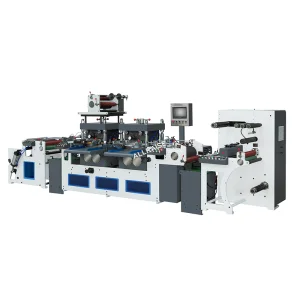
High-Performance Die-Cutter & Multi-Color Press Lineups

Heavy-duty industrial converting machinery engineered for high-precision finishing, slitting, rewinding, and custom configuration.