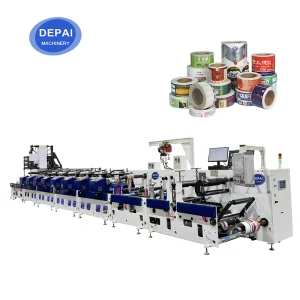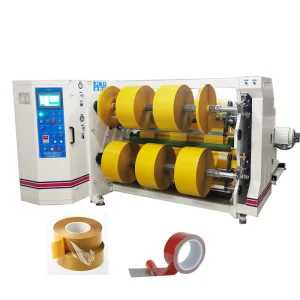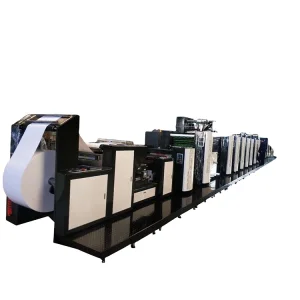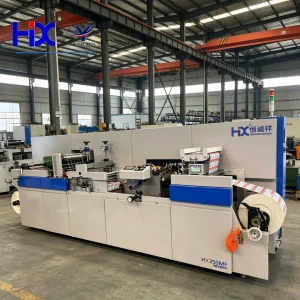
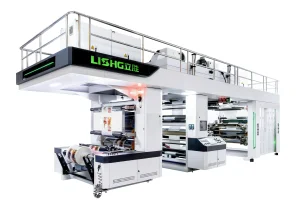
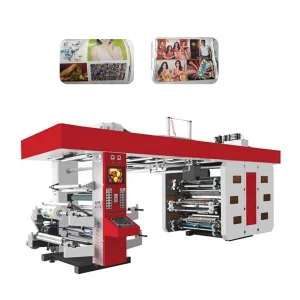
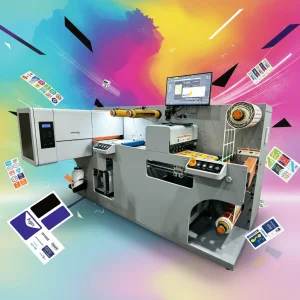
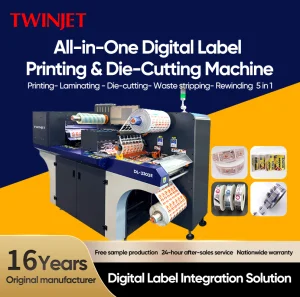
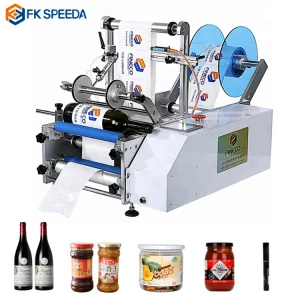
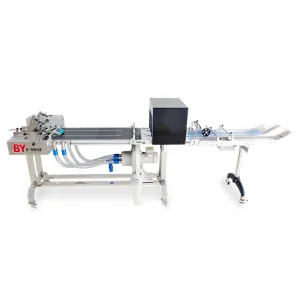
Guangdong Moveco Machine Co., Ltd. is a professional manufacturer specializing in the research, development, production, and sales of advanced label printing, converting, and finishing equipment. With years of deep industry experience, state-of-the-art manufacturing facilities, and a highly skilled engineering team, Moveco is globally recognized and committed to providing innovative, efficient, and reliable solutions for the print packaging and self-adhesive labeling sectors.
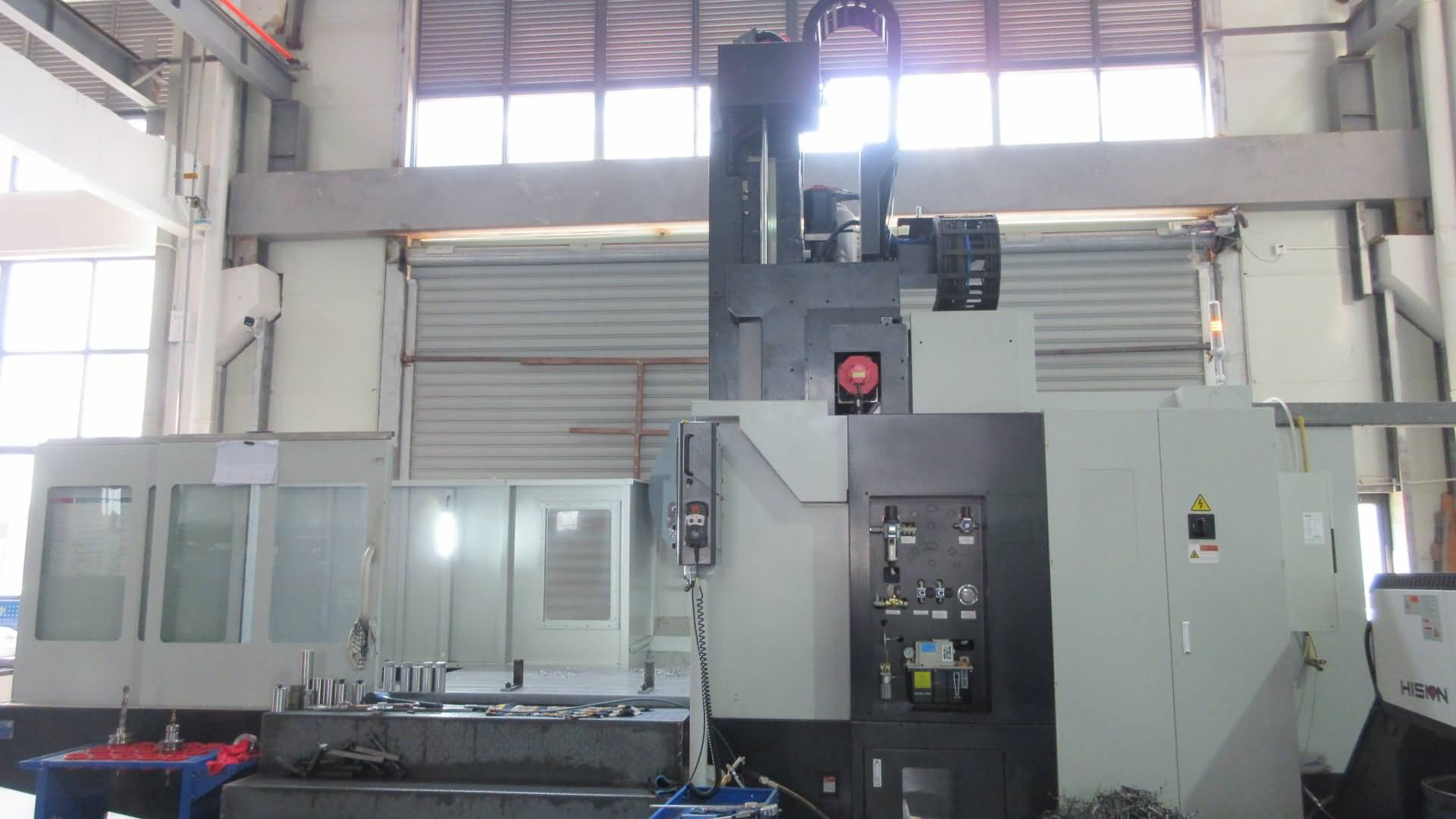
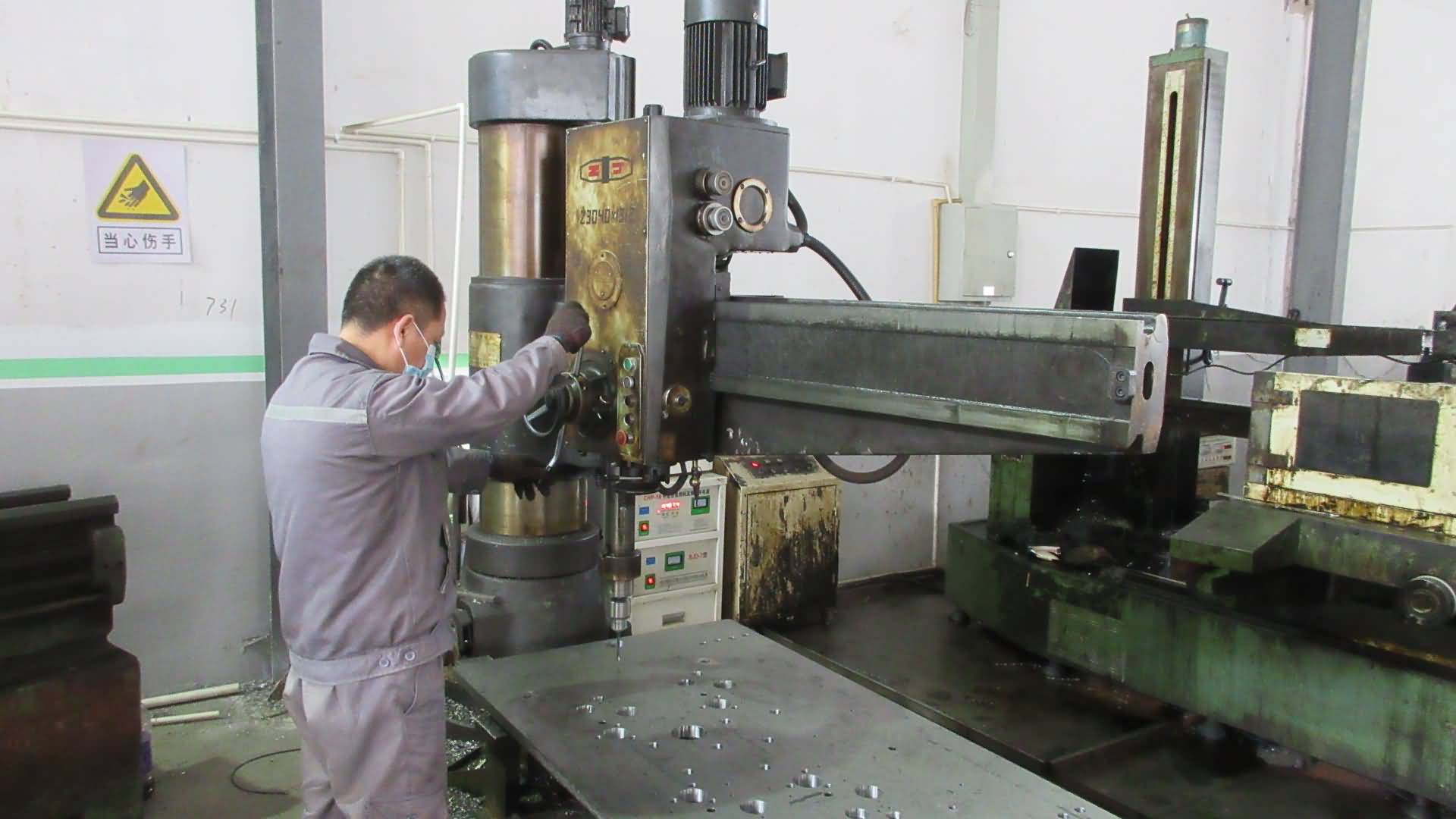
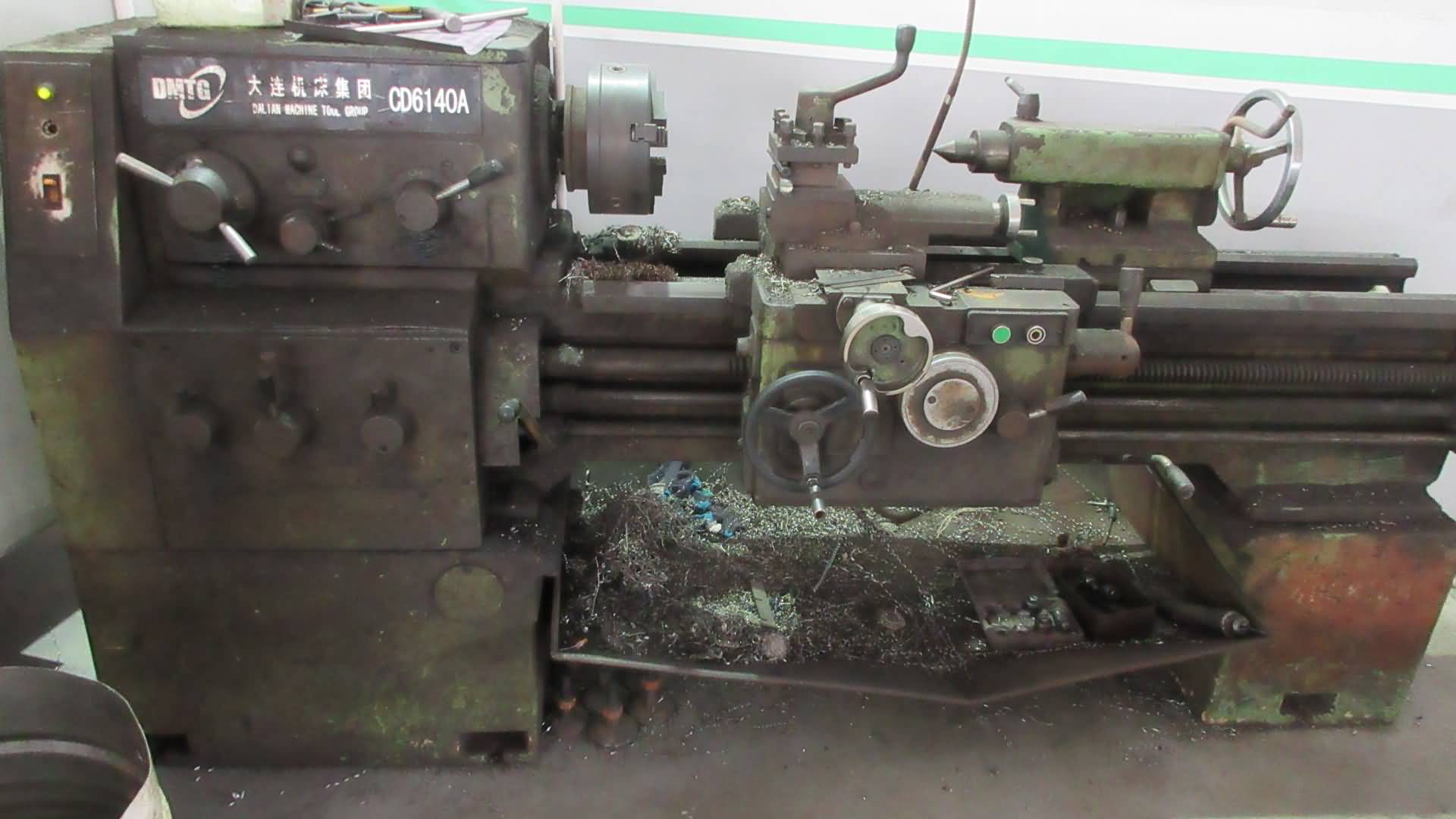
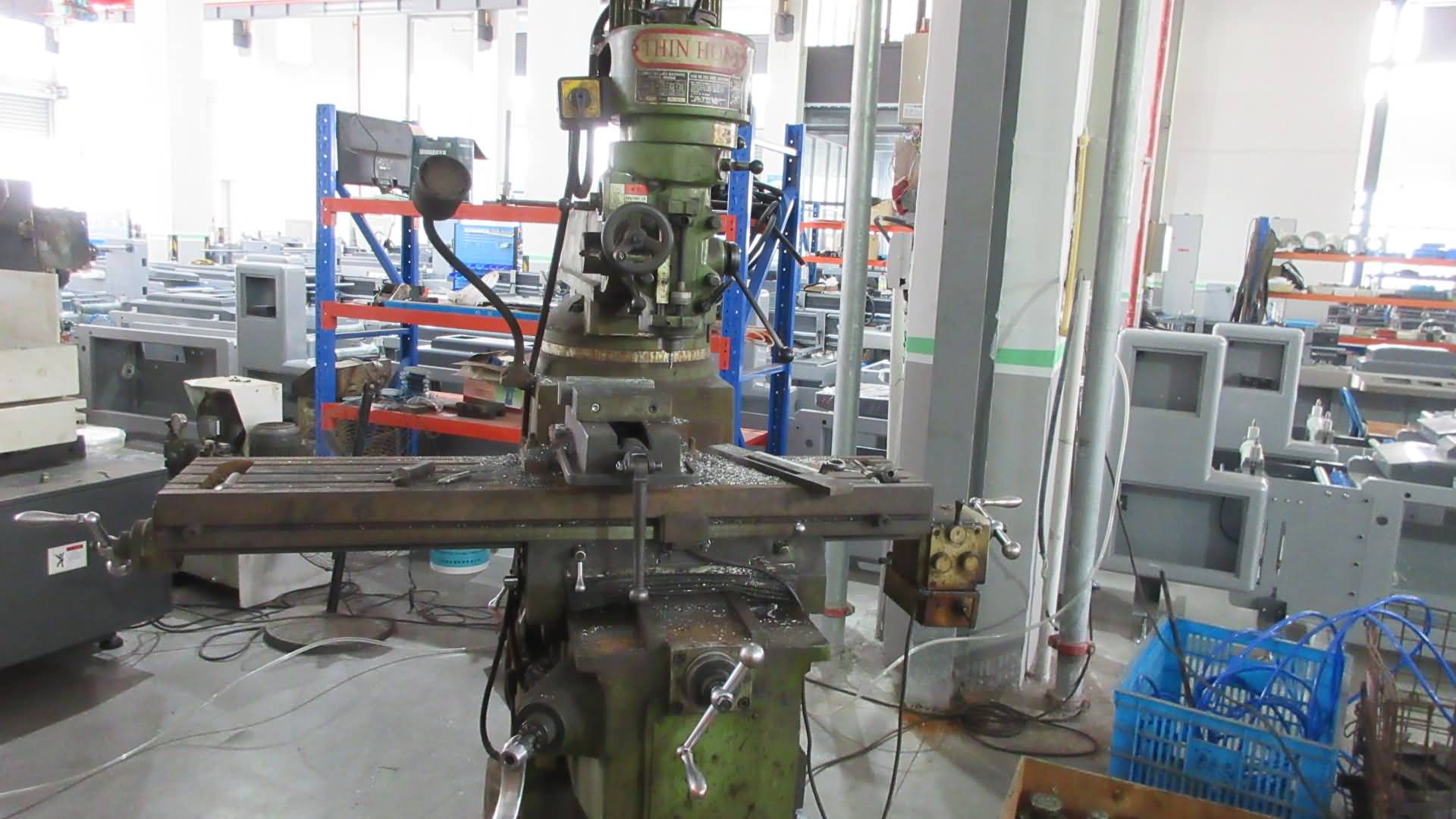
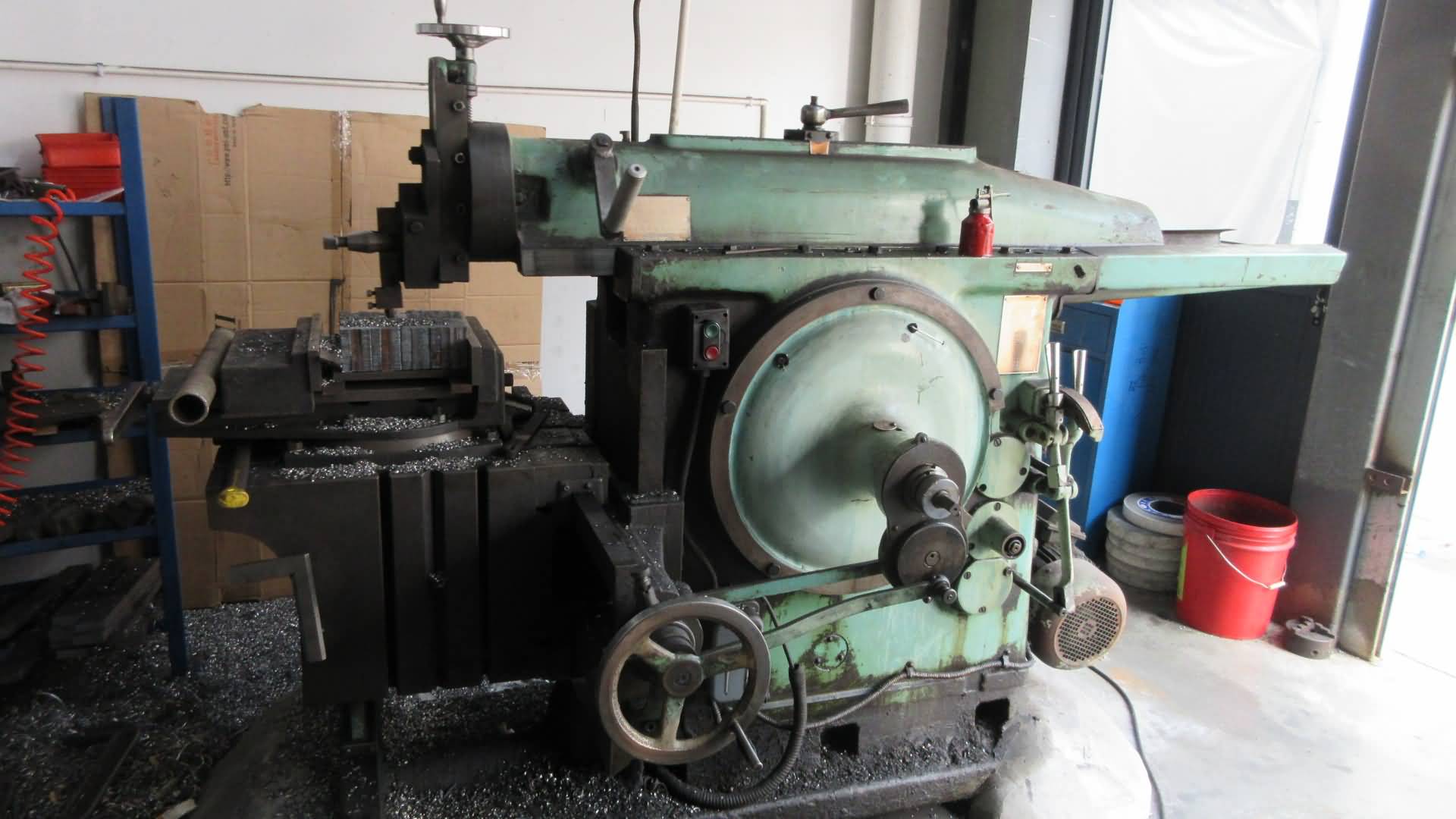
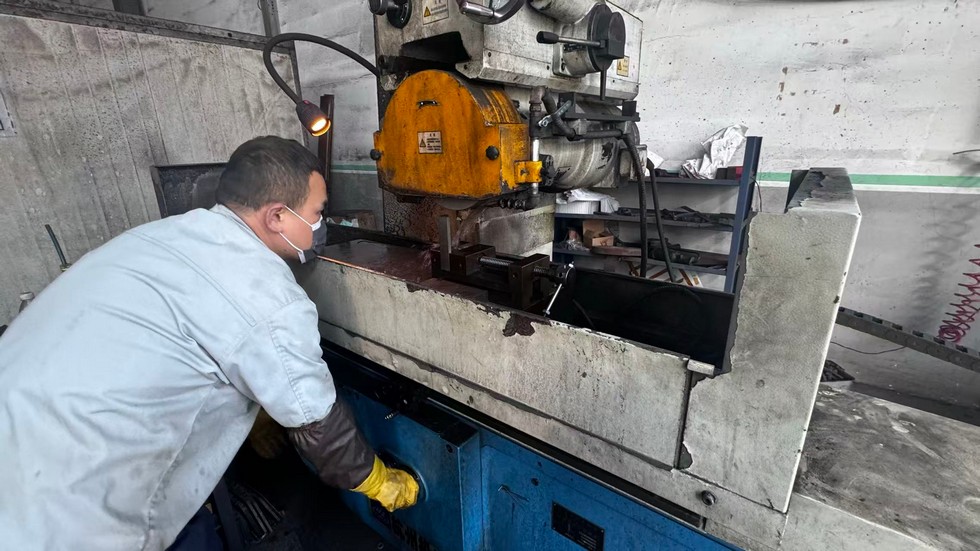
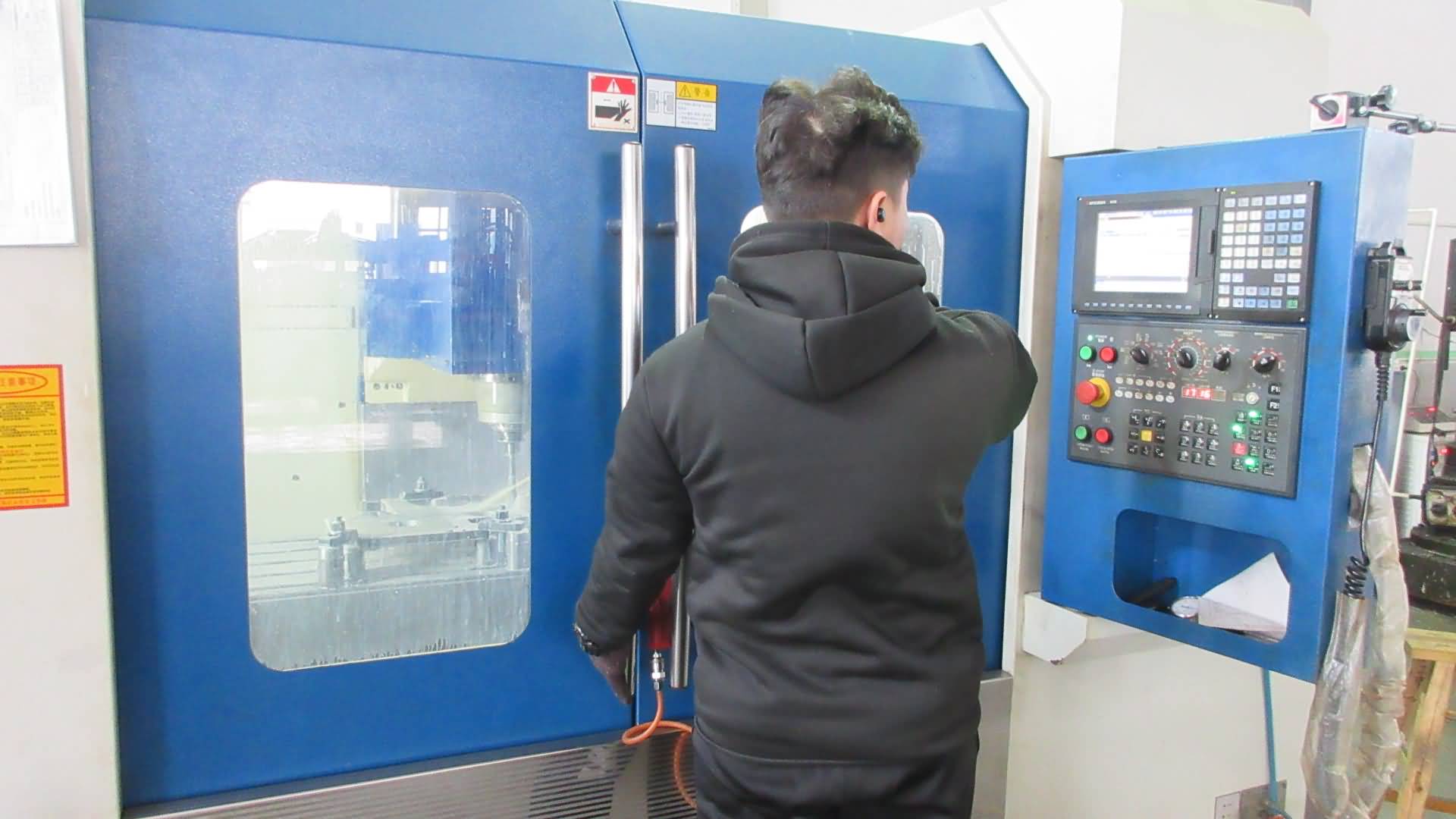
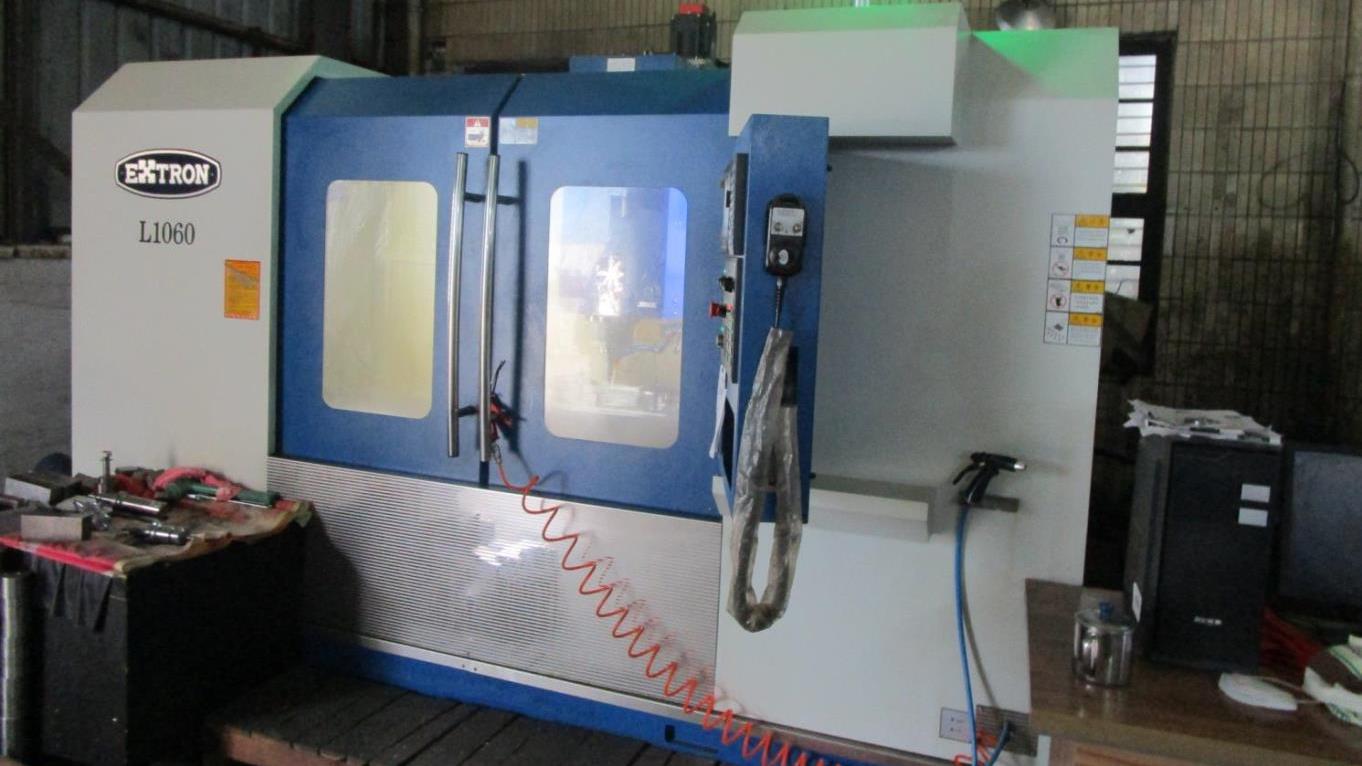
Our state-of-the-art production plant features advanced machining tools that define modern machine engineering. Moveco has introduced advanced CNC machining equipment, including high-precision lathes, milling machines, grinding machines, and other specialized processing units. Backed by experienced technical professionals and a strict, multi-phase quality management system, every single machine is manufactured to meet international quality standards. This guarantees excellent mechanical alignment, exceptionally long service life, and reliable high-speed operation under heavy industrial cycles.
Industrial Quality Note: The main frame of Moveco machinery is constructed using one-piece precision casting, which undergoes a rigorous thermal annealing treatment. This thermal cycle eliminates internal mechanical stresses, ensuring that the machine structure remains entirely stable, distortion-free, and highly accurate over decades of continuous operation.
The global label and packaging industry is undergoing a paradigm shift. With the explosive rise of e-commerce, localized marketing campaigns, and sku diversification, printing jobs are trending toward short-to-medium runs. Traditional full-rotary flexographic and gravure printing machines require massive plate cylinders, expensive tooling, and prolonged setup times, making short runs economically unfeasible.
This is where Intermittent Plate Printing Solutions excel. By using a semi-rotary (intermittent) web feed system, the printing press can dynamically vary the repeat length using a single plate cylinder size. By adjusting the forward-and-backward motion of the substrate via high-torque servo motors, printing businesses can reduce plate costs, slash setup times down to minutes, and achieve remarkable flexibility.
No need to purchase different cylinders for different label sizes. Save up to 70% in cylinder tooling costs compared to traditional full rotary systems.
Multi-axis servo synchronization ensures that registration errors are kept under sub-decimal millimeter limits, guaranteeing vibrant offset and flexo outputs.
Equipped with smart touch interfaces, automatic inking, fast washing, and dynamic tension management systems, eliminating manual operator variables.
At the heart of Moveco's engineering philosophy lies intelligent control integration. By combining robust mechanical design with digital automation, the machines maintain unmatched process consistency. Key systems are driven by internationally recognized servo motor configurations, offering high torque control, minimal thermal dissipation, and ultra-precise motion profiles.
Tension fluctuation is the enemy of high-quality web printing. Moveco machines address this through automatic tension control interfaces. Operators can fine-tune tensions according to various substrate profiles—whether it's thin BOPP, rigid PET, shrinkable LDPE, or textured kraft paper. The integrated automatic inking and wash-up systems reduce job changeover windows, maximizing daily yield and eliminating raw material waste.
Furthermore, the surface of each printing cylinder undergoes a proprietary hard chrome-plating process. This chemical treatment grants the cylinders extreme resistance to scratches, abrasions, and solvents, keeping print quality flawless and ensuring continuous mechanical reliability.
Intermittent plate and flexographic printing technology is utilized across a wide variety of global industries. Each regional market and product line demands unique technical configurations:
In consumer-dense markets like Europe and North America, labels for personal care products, cosmetics, and household liquids require high-impact visual aesthetics. Moveco's narrow web semi-rotary presses handle self-adhesive films (BOPP, PE, PET) with excellent solid colors and fine-line typography, integrating printing, die-cutting, and stripping in a single automated pass.
With the enforcement of traceability regulations in Asia and South America, pharmaceutical and high-value food packaging require variable data integration. By linking Moveco's high-speed web transport machines with modular UV inkjet printheads, factories can deploy high-speed QR codes and unique tracking numbers on plastic films and coated papers seamlessly.
Industrial manufacturing processes call for precision slitting and rewinding of specialty adhesives. Heavy-duty double-sided tapes (like VHB tapes) require precise tension profiles during rewinding to prevent telescoping or adhesive squeezing. Specialized high-performance slitting and rewinding units maintain accurate pressure control to ensure roll integrity.
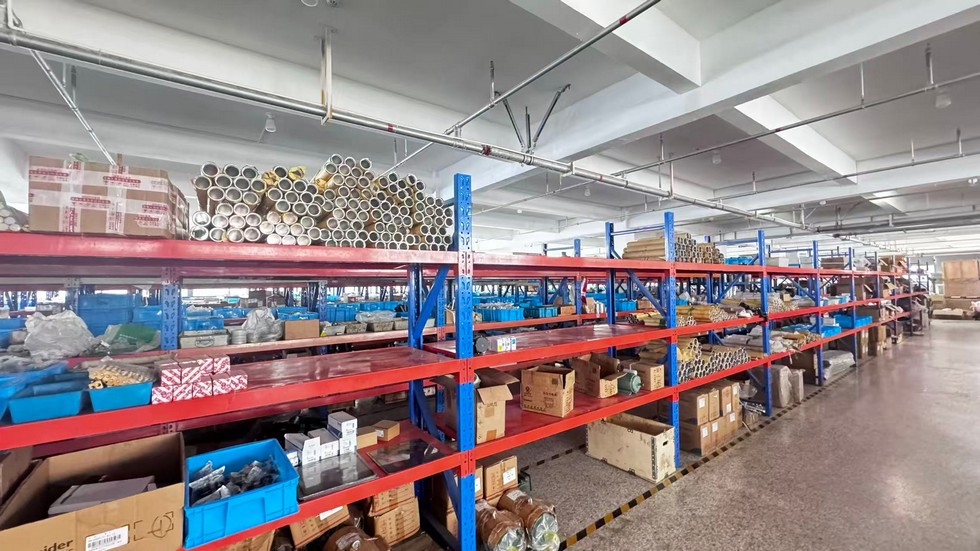
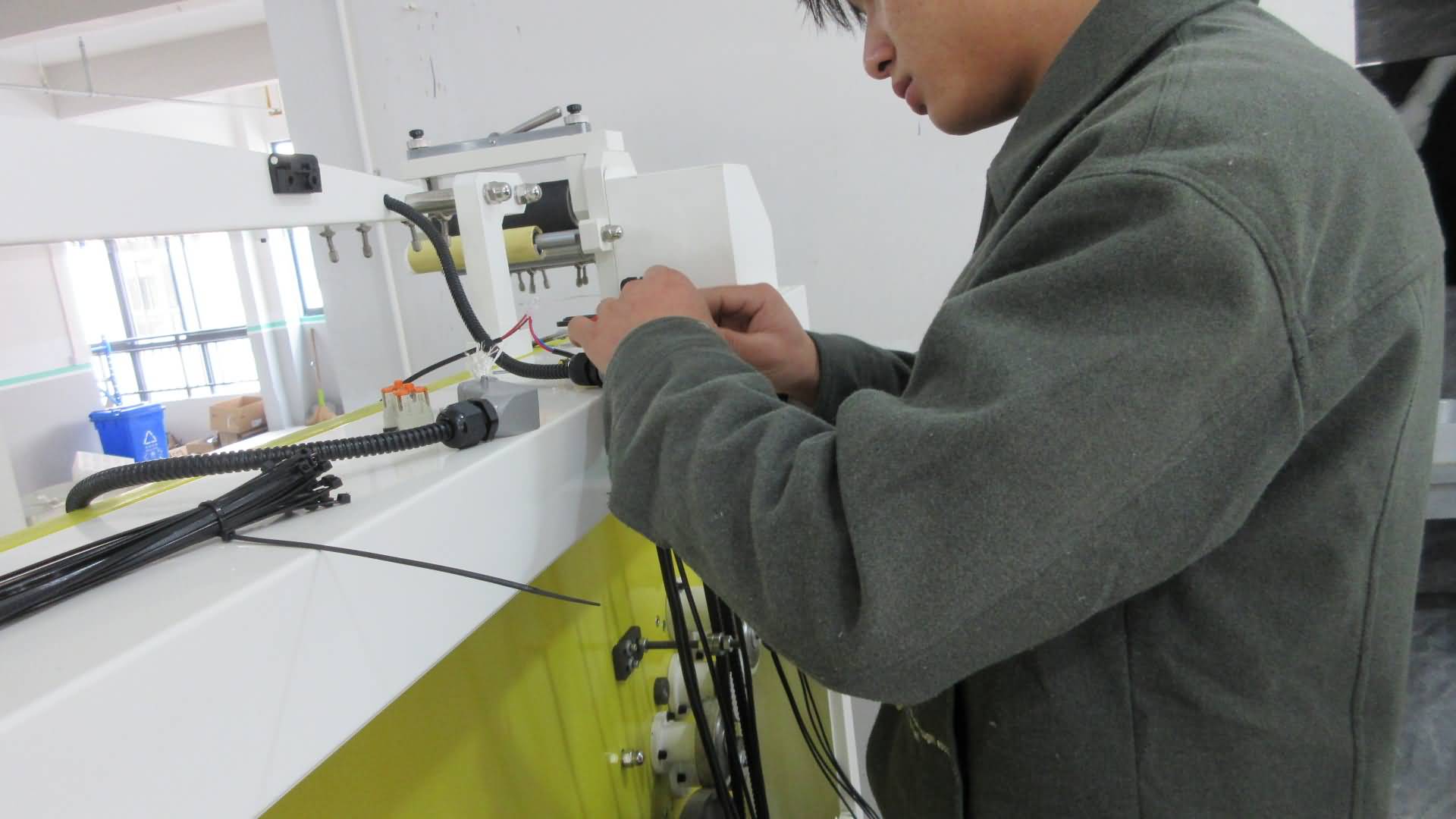
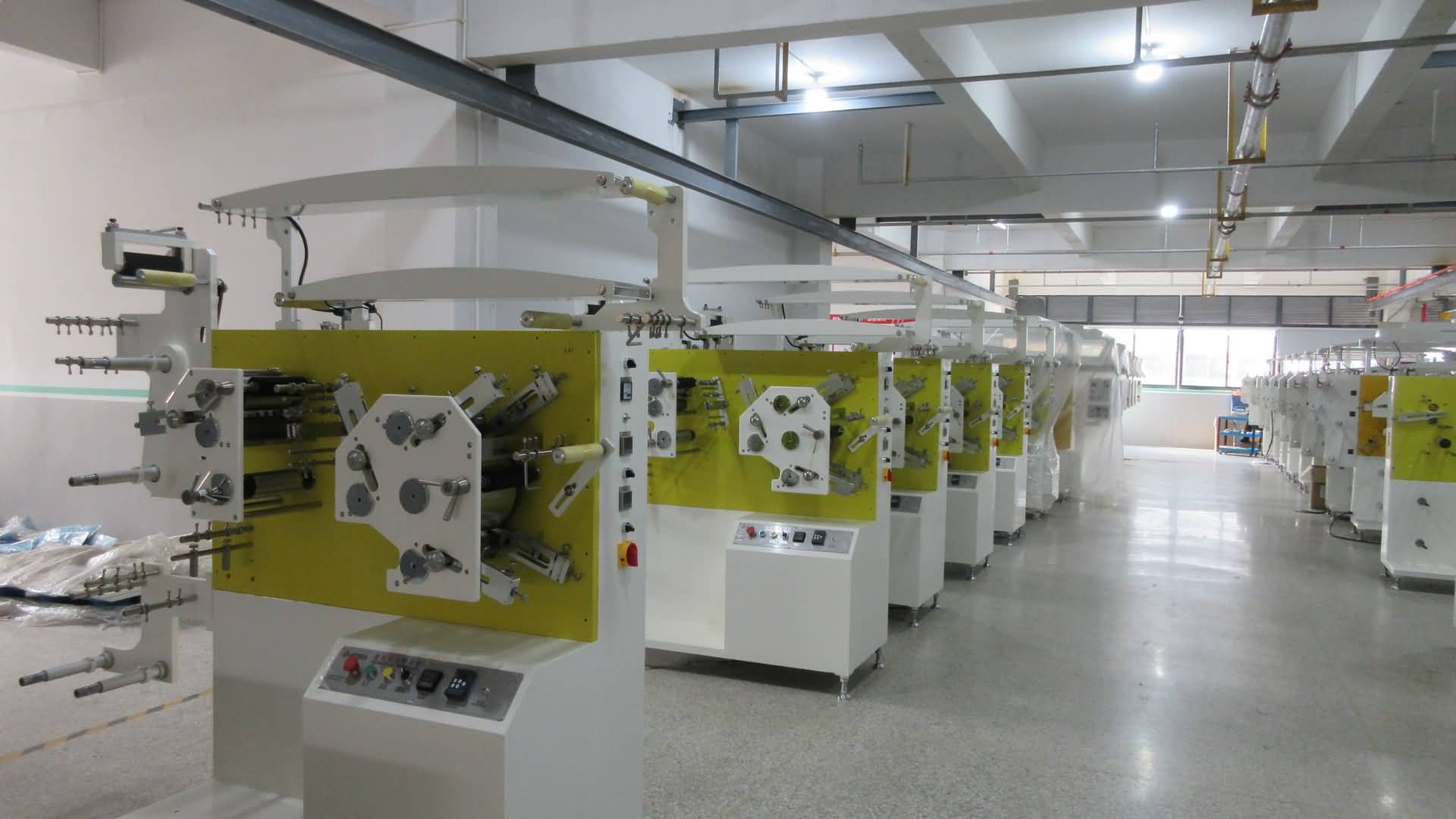
True E-E-A-T (Experience, Expertise, Authoritativeness, and Trustworthiness) begins at the production floor. At Guangdong Moveco Machine Co., Ltd., we control the entire lifecycle of our machinery—from sourcing premium raw steel to the final micro-alignment tests. Below is a comprehensive look at our internal industrial steps:
As manufacturing lines move toward Industry 4.0, Moveco's engineering division is actively pursuing next-generation innovations. The roadmap for intermittent and flexographic plate systems is shaped by several key technological trends:
The distinction between digital inkjet and conventional flexo/offset printing is disappearing. Hybrid setups combine the low cost of flexo/offset for high-volume spot colors with digital inkjet modules for variable barcodes, dates, and localized text. This provides printing companies with the best of both technologies on a single pass.
Integrating high-speed line scan cameras and artificial intelligence algorithms allows for real-time monitoring of print registration and color density. The system flags microscopic defects, color shifts, or dust particles instantly, stopping the web or notifying the operator to prevent material waste.
Energy efficiency is critical for modern operations. The development of low-heat LED UV curing systems drastically lowers power draw and enables the processing of heat-sensitive films without warping. This design path also supports water-based flexo inks, helping companies meet strict VOC emissions targets.
Authoritative answers to the most common questions raised by procurement directors, plant managers, and structural engineers during machinery selection.
In full rotary systems, the print cylinder matches the repeat length of the label, meaning a change in label size requires a physical cylinder change. In semi-rotary (intermittent) systems, the cylinder size is fixed, and the web moves dynamically back and forth using servo motors to align with the repeat size. This saves significant tooling costs and setup time for short-to-medium runs.
We use multi-axis servo systems paired with closed-loop tension controllers and dancer rollers. High-resolution optical sensors detect register marks on the fly, allowing the PLC to make sub-millisecond adjustments. This design keeps registration errors under ±0.05 mm, even during speed fluctuations.
Welded steel plates or unannealed castings contain internal mechanical stresses that can release over time, causing structural warping. Our one-piece cast frames undergo high-temperature thermal annealing to stabilize the metal. This ensures the frame maintains sub-micron alignment for decades, protecting printing quality.
Yes. By setting different substrate parameters in the touch-screen interface, the machine adjusts dancer tension and dryer temperatures accordingly. This allows for stable processing of materials ranging from 12-micron film to 350 gsm paperboard.
All machines can be configured with an optional IoT remote support module. In case of operational issues, our engineers in Guangdong can log into the machine's PLC, diagnose problems, push software updates, and guide on-site staff through fixes, keeping downtime to a minimum.
 Moveco Machine