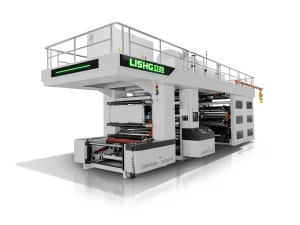
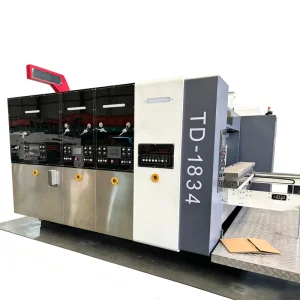
High-performance processing systems designed for absolute precision, durability, and high throughput.
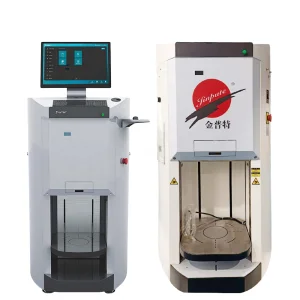
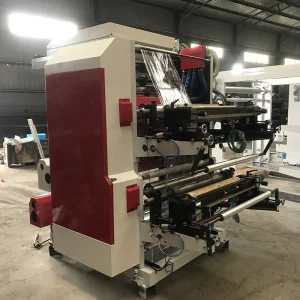
In the modern manufacturing landscape, standard blade and rotary die-cutting systems increasingly run up against their physical limits. Materials like Multi-layer Synthetic Fibers, Elastic Hydrogels, Thin-film Electronics, and VHB (Very High Bond) Double-Sided Tapes struggle with edge-fraying, adhesive build-up, and localized compression deformities. In response, top industrial converting sectors are transitioning toward Ultrasonic Die-Cutting technology.
By introducing acoustic vibrational energy directly to the shear zone, ultrasonic systems convert electrical power into high-frequency micro-vibrations (typically ranging between 20 kHz and 40 kHz). This creates a near frictionless contact area between the cutting tool and the substrate. The result is a clean shear without structural disruption, particulate emission, or tool gumming.
"The integration of ultrasonic energy transforms die-cutting from a mechanical displacement process into a molecular separation process, drastically minimizing shear stress and localized material distortion."
As a specialized leader in industrial machinery, Guangdong Moveco Machine Co., Ltd. has spent years developing advanced solutions to bridge the gap between heavy automation and precision ultrasonic converts. Our design philosophy balances the high mechanical rigidity required for stable multi-layer conversions with the highly tuned acoustic control modules necessary to process complex elastomer profiles.
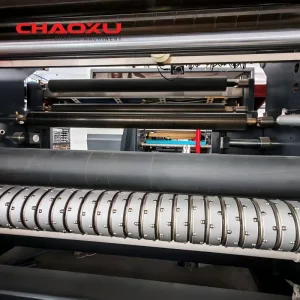
Our ultrasonic stacks represent years of specialized research into acoustics, metallurgy, and dynamic stress modeling. Unlike traditional steel rule dies that compress and rip target fibers, our ultrasonic generators control the tool oscillation down to micrometer tolerances.
Ensures consistent energy output regardless of density fluctuations across multi-layered laminates, maintaining constant horn-to-anvil clearance.
Manufactured from premium aerospace-grade titanium and high-density powder-metallurgical tool steels for optimized resonant wave distribution.
Simultaneously cuts and seals synthetic fibers to eliminate edge fraying in medical dressings, apparel, and high-spec filters.
Why leading global manufacturers prioritize long-term ROI and structural stability over baseline capital cost.
Traditional dies require periodic regrinding and replacement, resulting in structural downtime. High-end ultrasonic systems maintain sharpness exponentially longer by substituting mechanical shear force with acoustic energy, minimizing scrap rates to less than 1.2%.
In medical-grade environments (Class 10,000 cleanrooms), processing micro-woven polyesters or adhesive patches via crush-cut causes particle contamination. Ultrasonic separation fuses edges during shearing, completely avoiding free fiber strings.
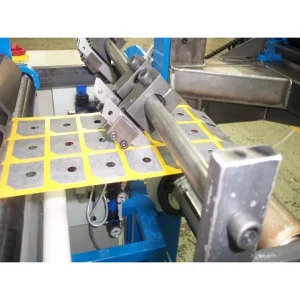
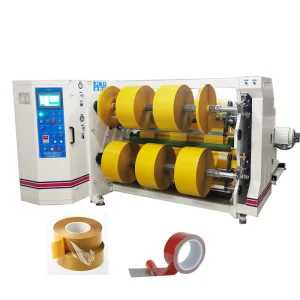
When slitting thick gel adhesives or industrial VHB acrylics, standard steel blades gather residue quickly, generating heat and ruining product web runs. The dynamic mechanical vibration of the horn creates a self-cleaning surface that shrugs off adhesives.
Undergoing rigorous metallurgical processing and digital validation to achieve elite industrial standards.
Guangdong Moveco Machine Co., Ltd. is a professional manufacturer specializing in the research, development, production, and sales of advanced label printing, converting, and finishing equipment. With years of industry experience, state-of-the-art manufacturing facilities, and a highly skilled engineering team, Moveco is committed to providing innovative, efficient, and reliable solutions for the global label printing industry.
Our company has introduced advanced CNC machining equipment, including high-precision lathes, milling machines, grinding machines, and other precision processing systems. Supported by experienced technical professionals and a strict quality management system, every machine is manufactured to meet international quality standards, ensuring excellent performance, long service life, and reliable operation.
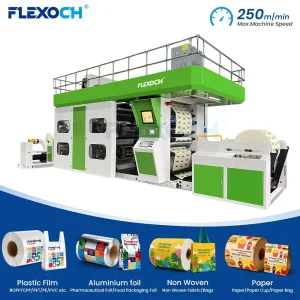
Moveco integrates advanced automation and intelligent control technologies into its equipment. Our machines are equipped with user-friendly touch-screen control systems, precision servo drive technology, and intelligent registration systems to achieve stable operation, accurate color registration, and high-speed production with outstanding printing quality. Different substrate tensions can be adjusted through the control interface, while automatic inking, washing, and quick-change cylinder systems significantly improve production efficiency and reduce downtime.
The main machine frame is manufactured through one-piece precision casting and undergoes annealing treatment to eliminate internal stress, ensuring exceptional structural stability and long-term accuracy. Key transmission components are driven by internationally recognized servo motors, providing high torque, low heat generation, minimal wear, and precise motion control. Surface-treated chrome-plated cylinders offer excellent scratch resistance, durability, and consistent printing performance.
Adhering to the philosophy of "Innovation, Quality, Efficiency, and Customer Success," Guangdong Moveco Machine Co., Ltd. continuously invests in technological development and product innovation. We are dedicated to providing customers with high-performance machinery, customized solutions, comprehensive technical support, and responsive after-sales service.
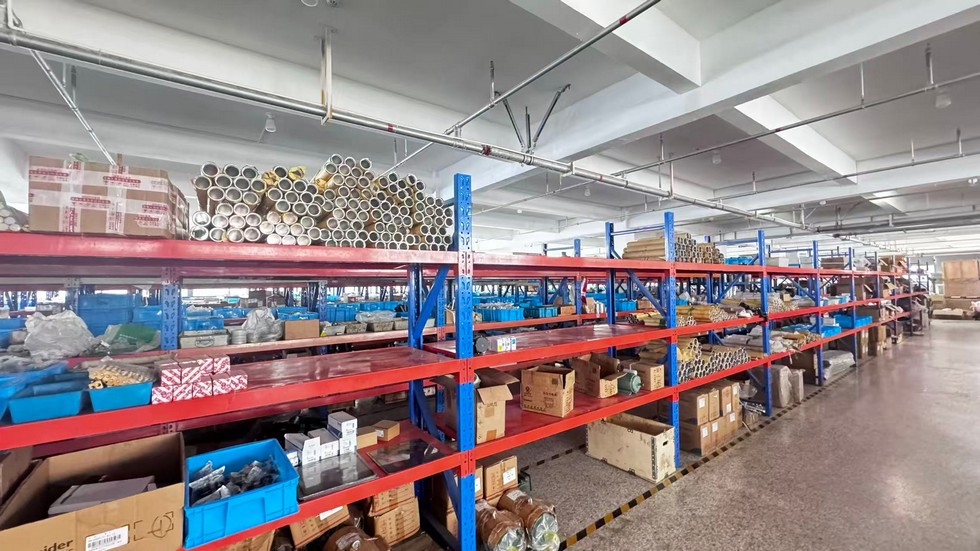
Raw Material Inspection
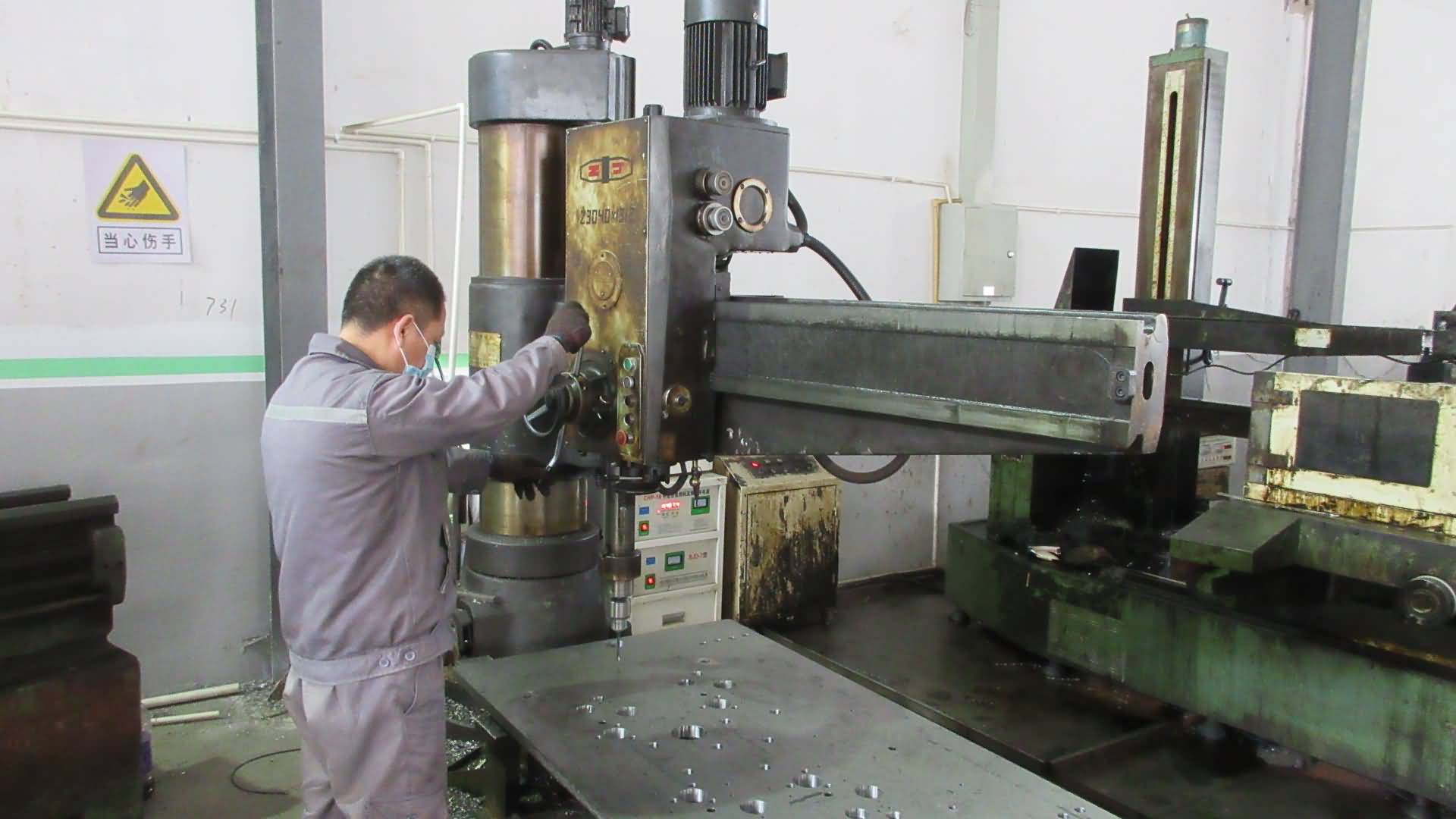
Precision Drilling
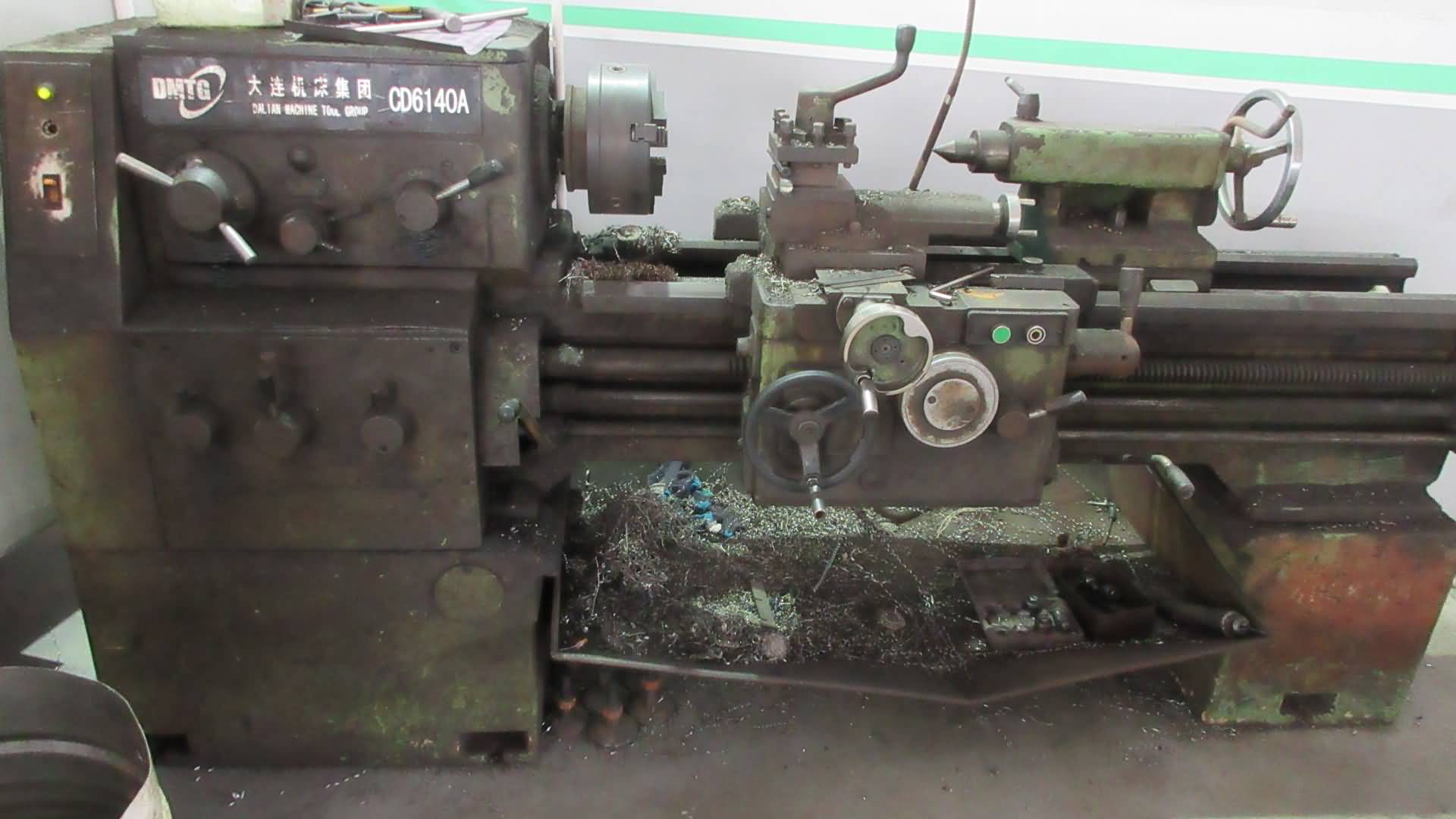
Heavy Lathe Work
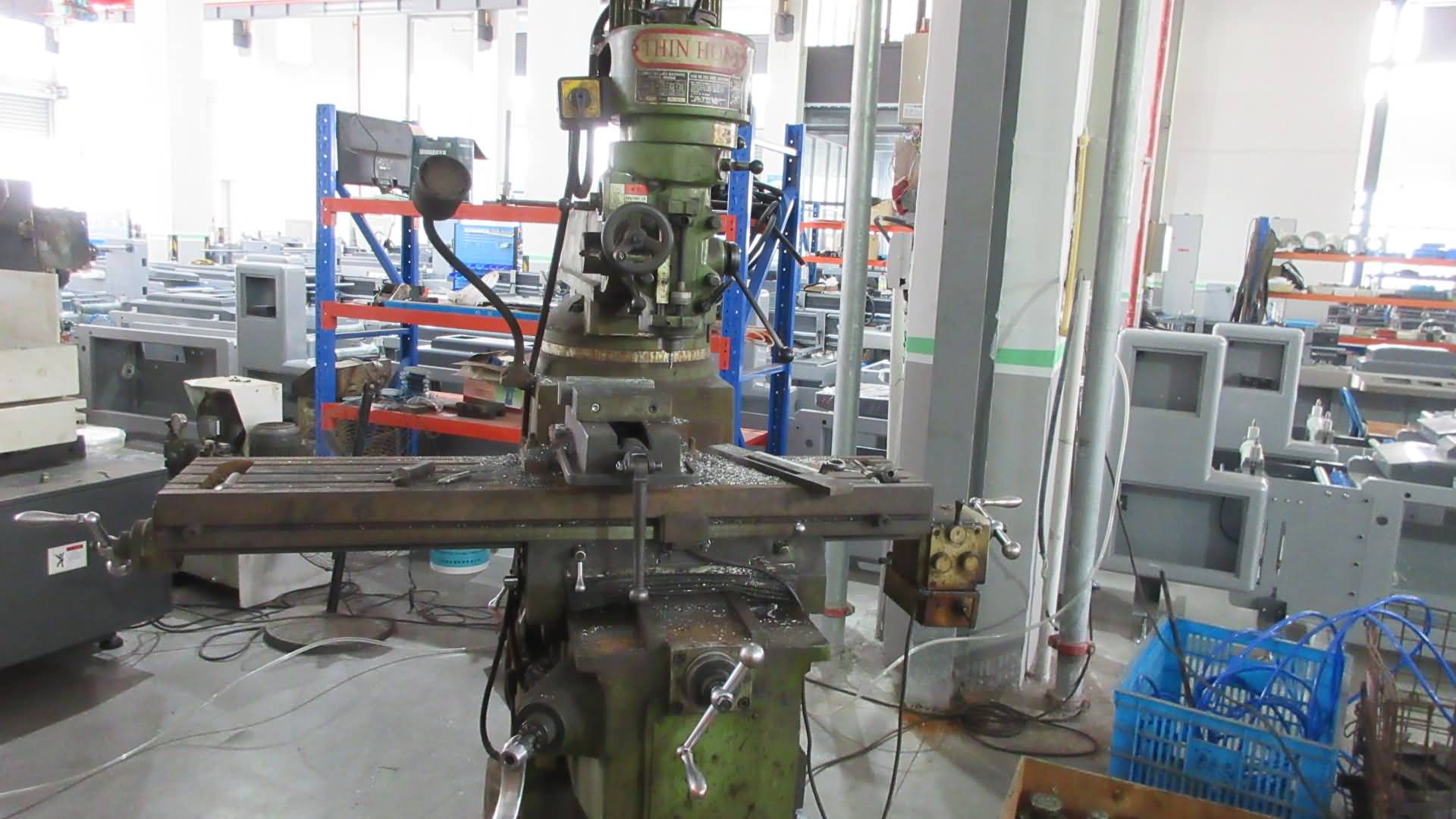
Structural Milling
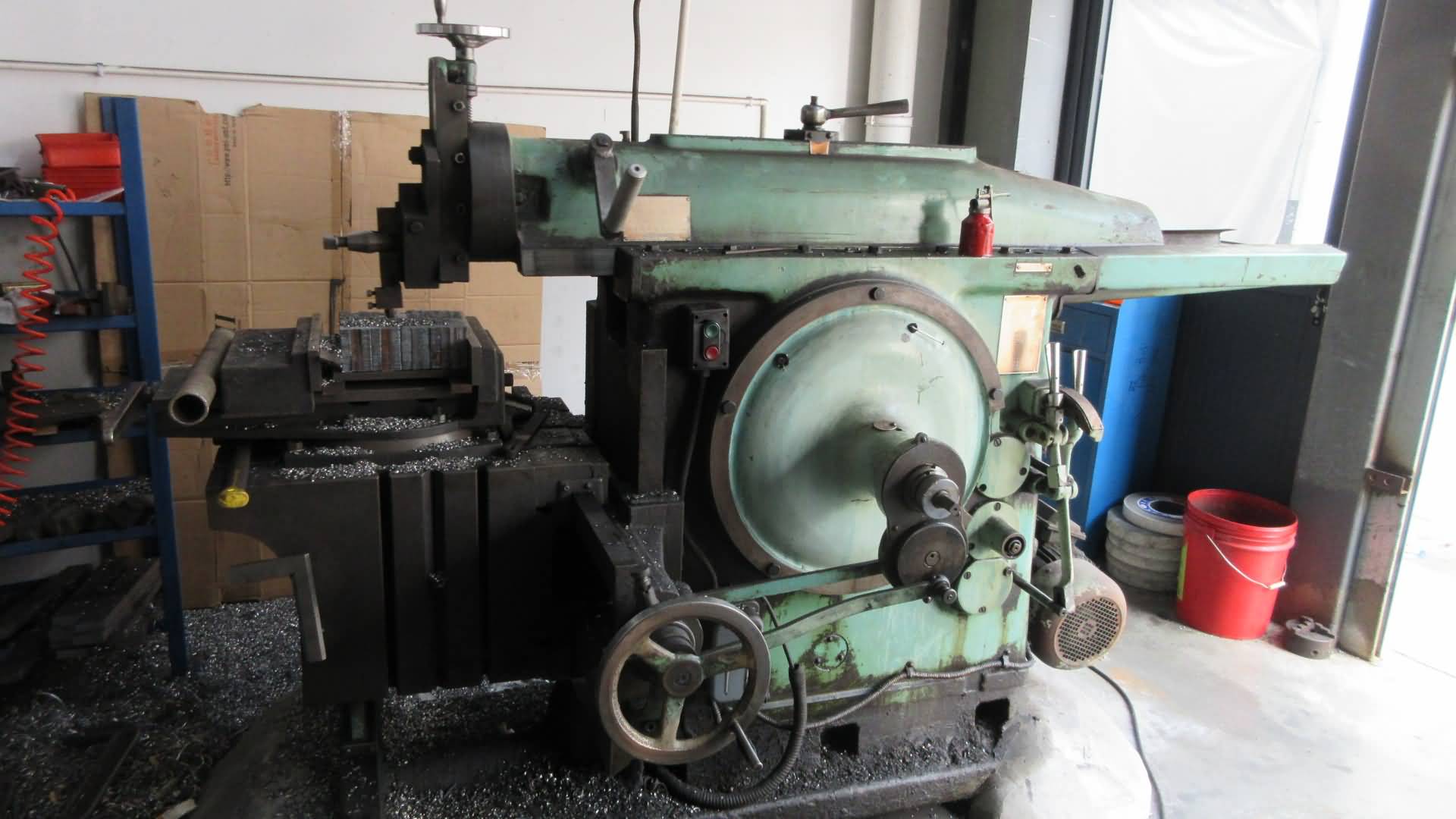
Surface Grinding
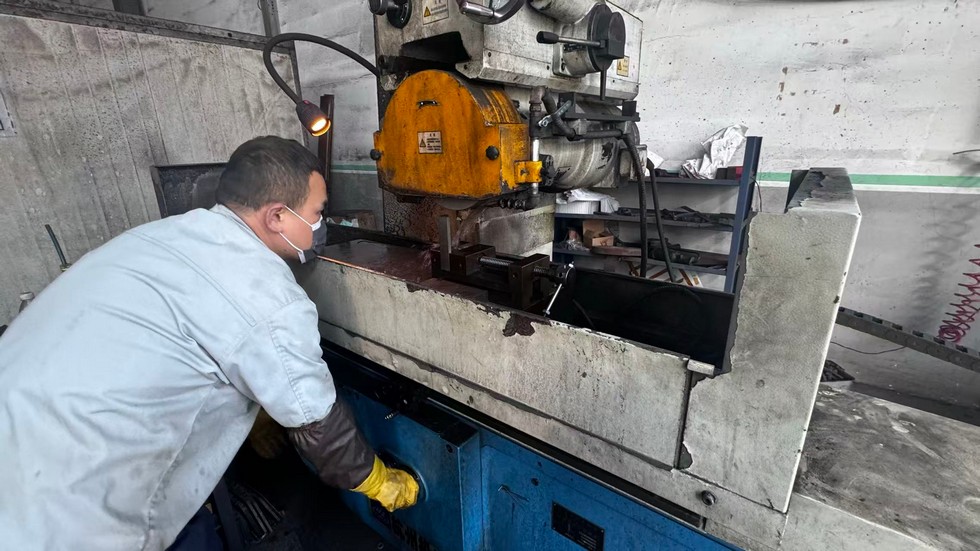
Laser & Mechanical Cutting
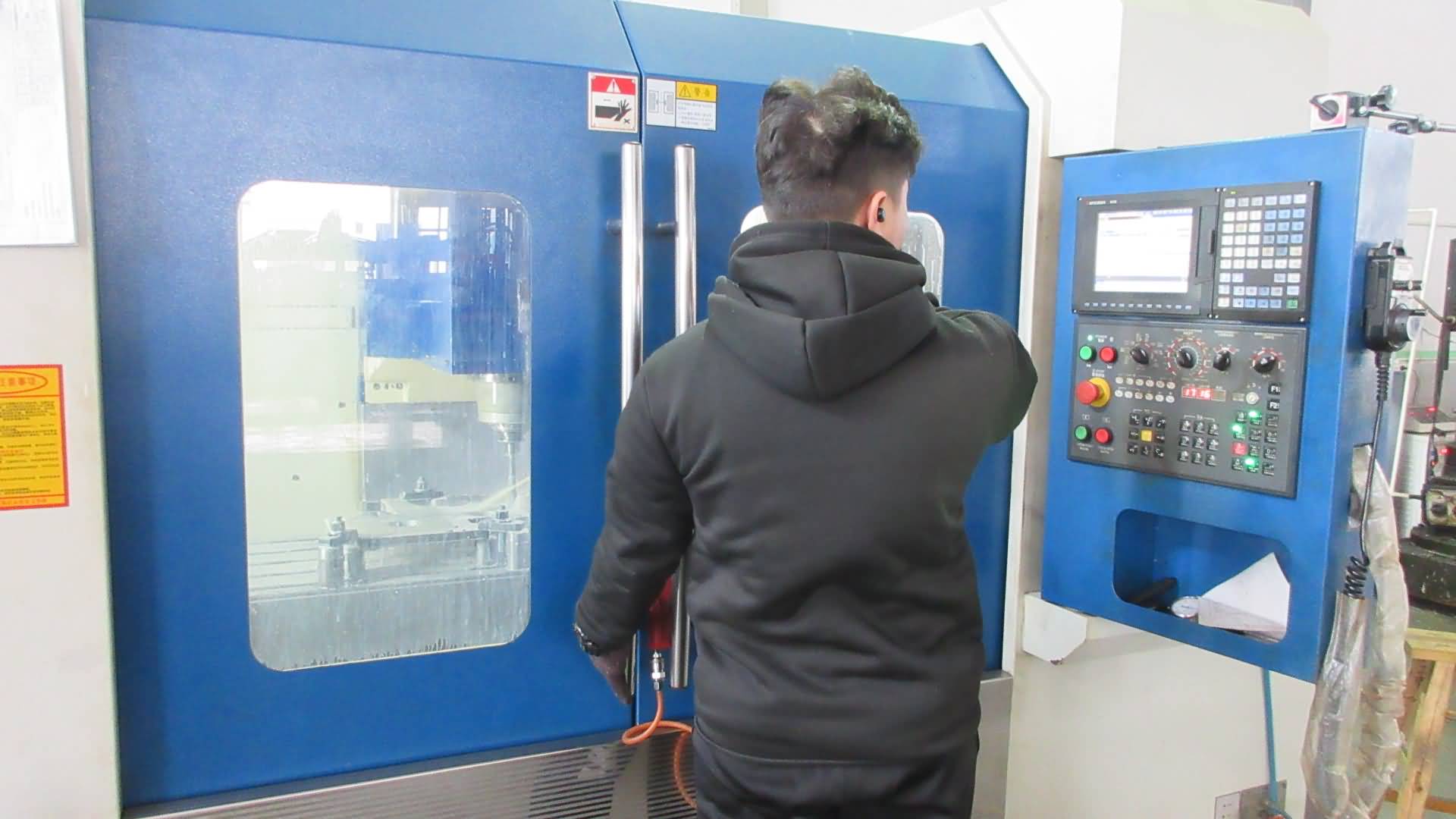
Intricate Machining
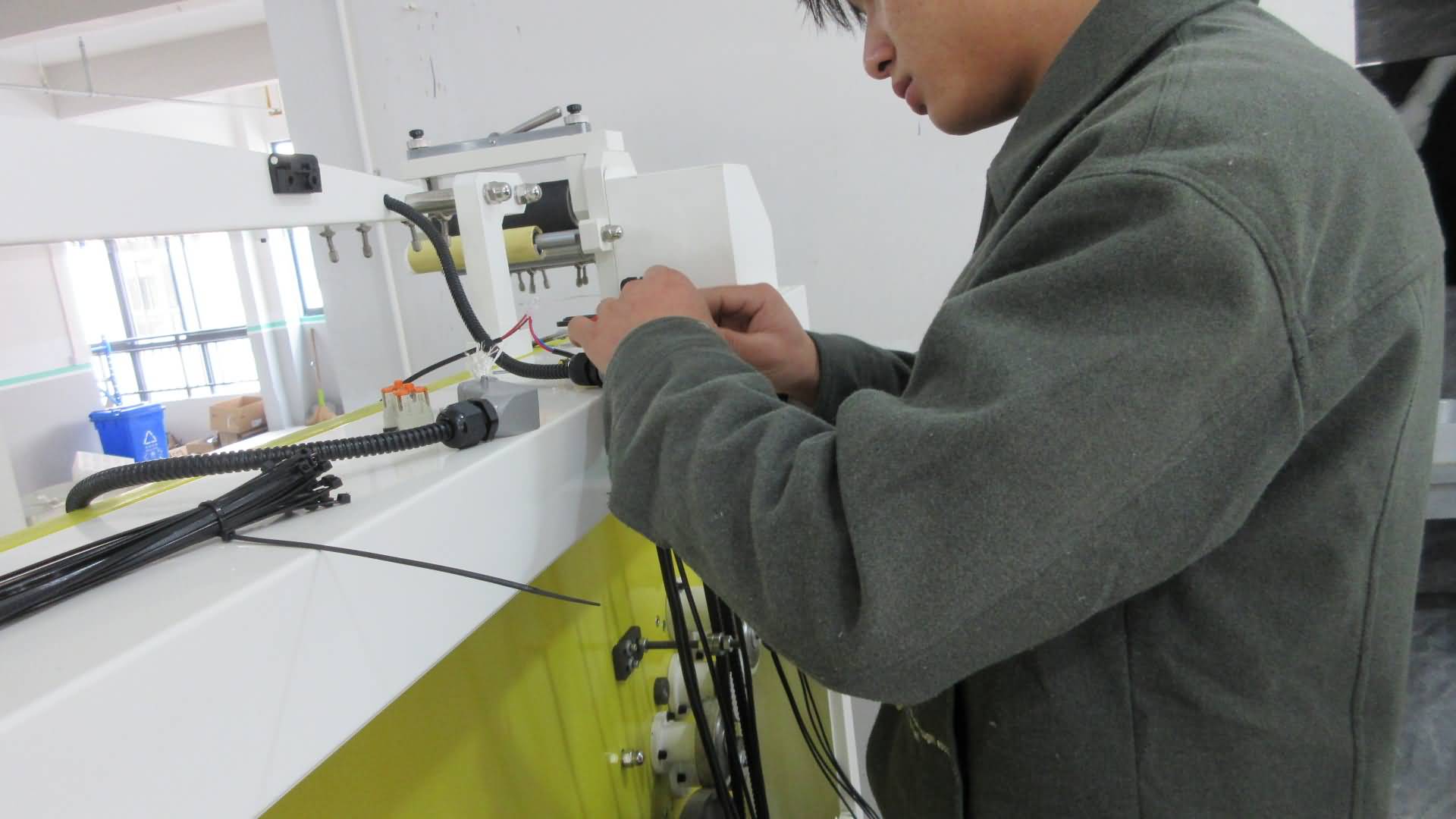
System Assembly
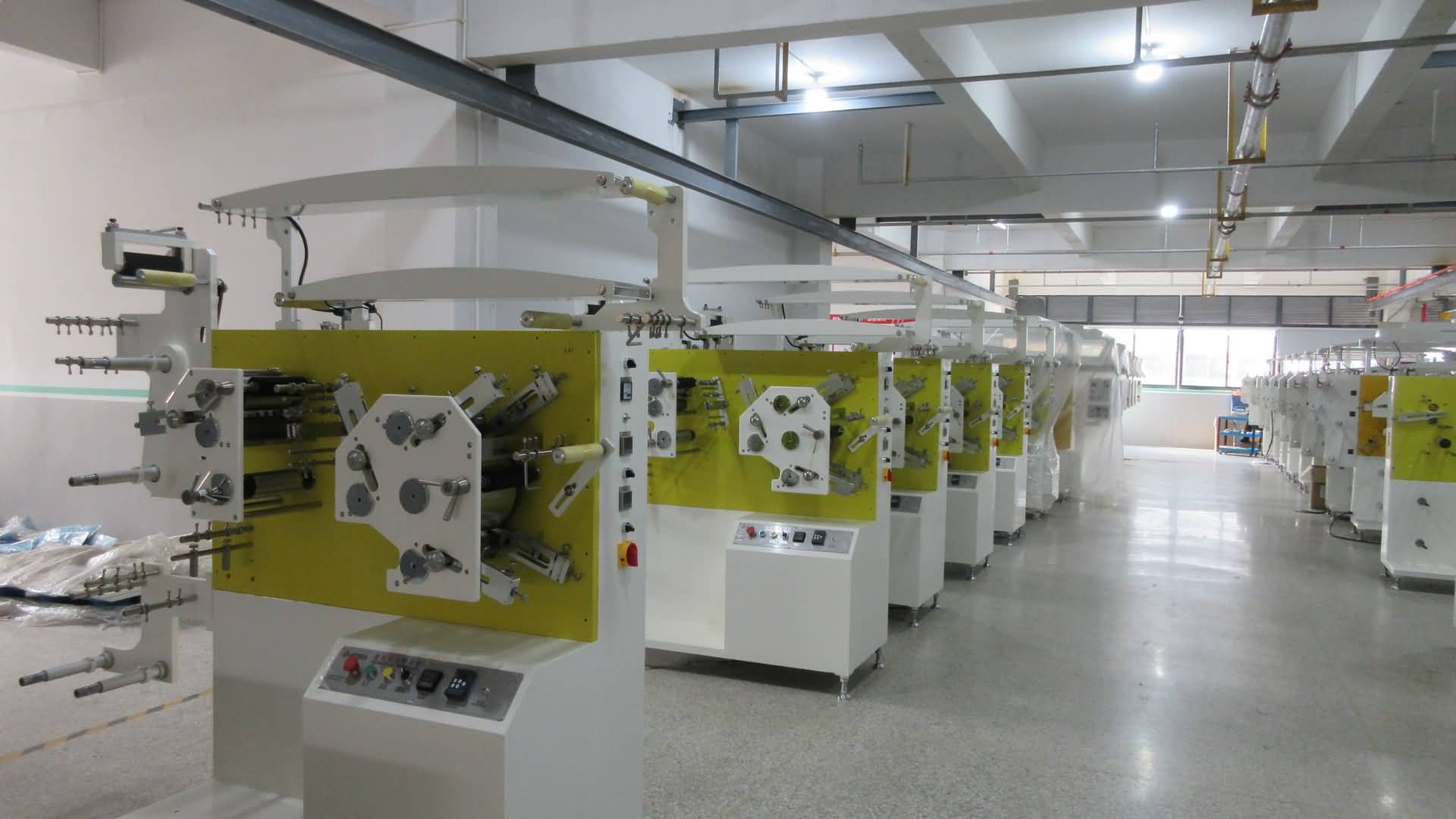
Organized Warehouse
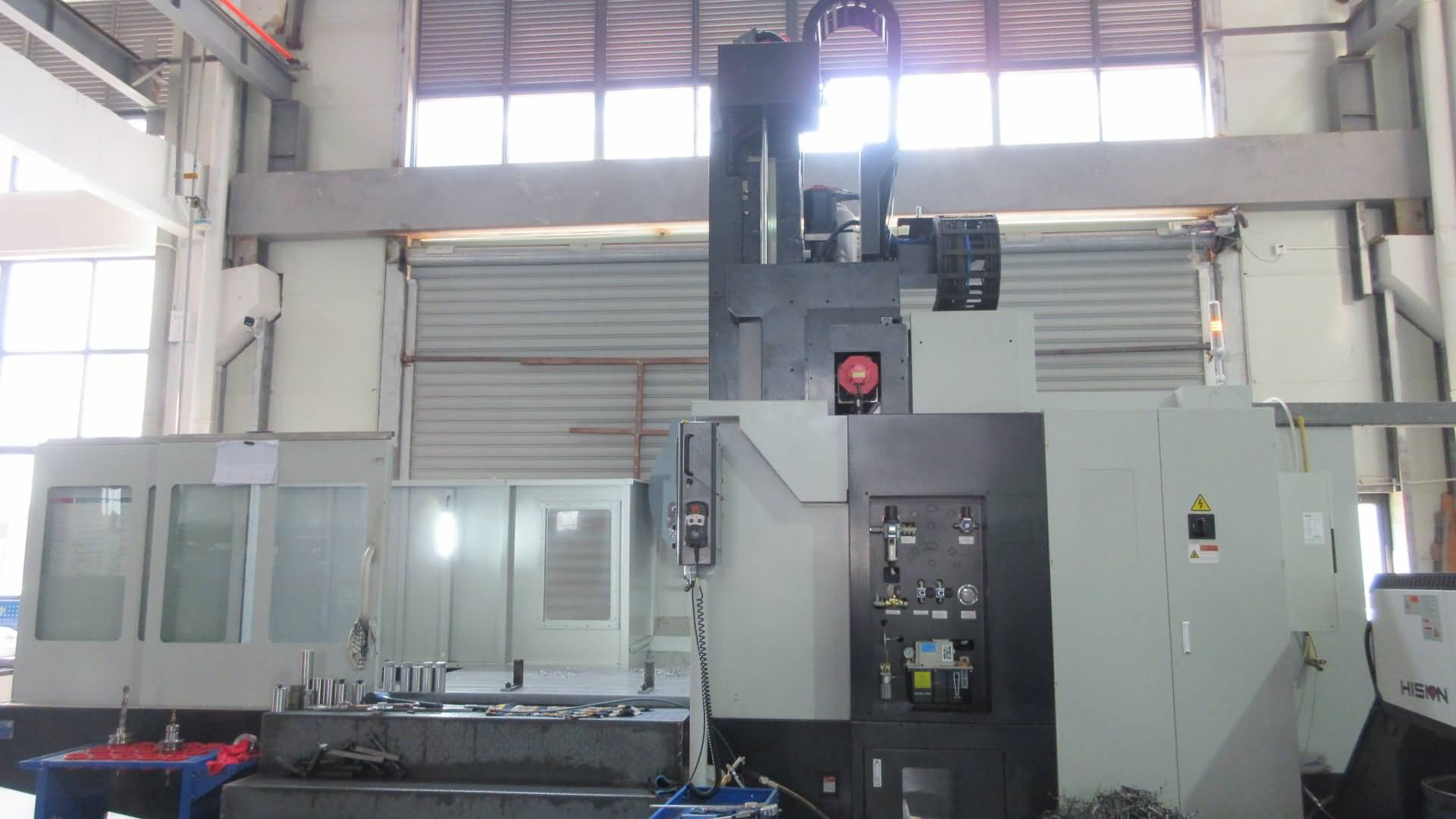
Large Machining Center
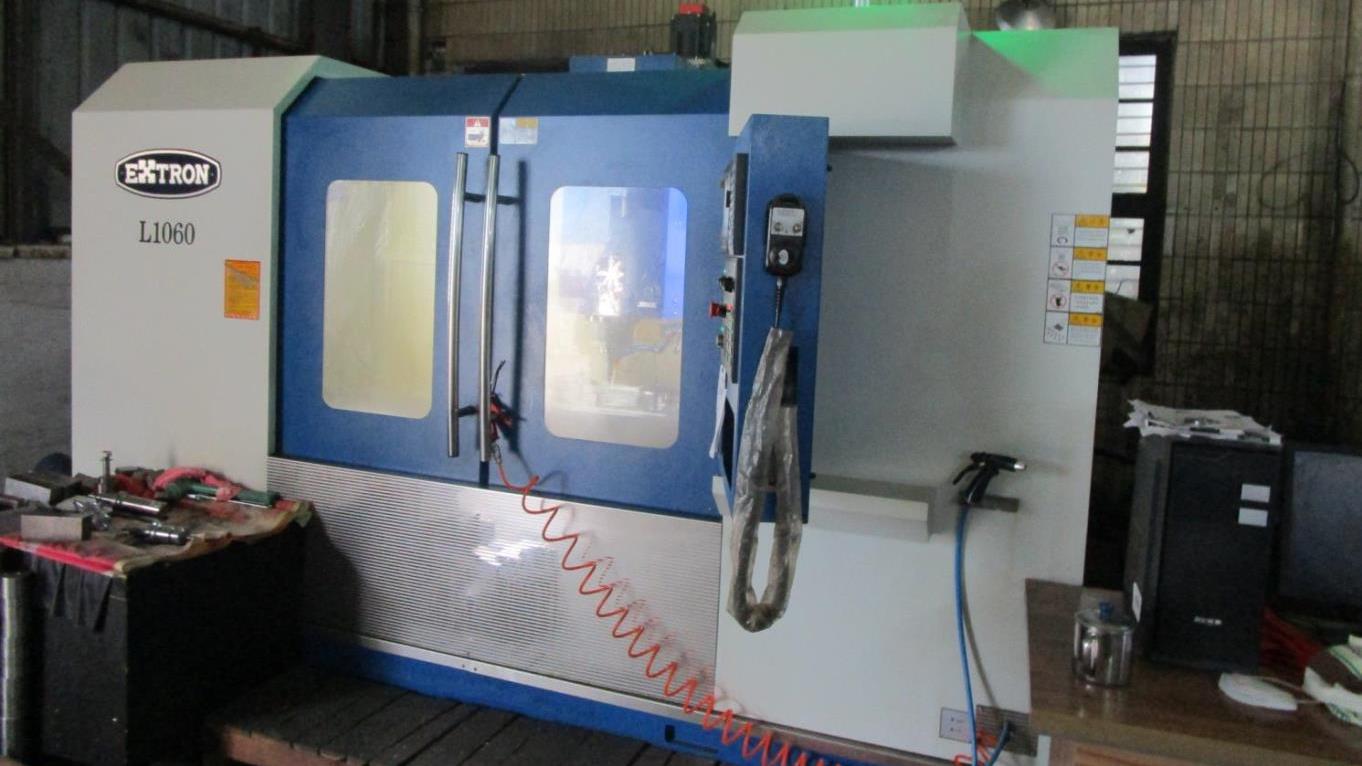
Machining Center
As converters face thinner substrates and more demanding speed thresholds, the design specifications of ultrasonic converting lines must evolve. Guangdong Moveco is actively driving research into several upcoming technological paradigms:
Future operations cannot afford standard downtime window recalibrations. We are designing adaptive generator feedback loops that scan output currents at 100,000 samples per second. When the web tension drops or localized material changes shape, the transducer adjusts output amplitude instantly, preventing thermal build-up and saving the acoustic horn from unnecessary stress.
Our latest research prototypes integrate vibration and thermal sensors inside the rotary acoustic anvil. Predictive data points are pushed directly to local ERP databases, enabling technicians to identify tooling wear before it impacts edge quality. This preventative monitoring turns emergency maintenance stops into scheduled operations.
Historically, the physical size limit of ultrasonic horns constrained processing widths. By utilizing finite-element-optimized segmented assemblies, we have scaled our continuous horizontal web width. Manufacturers can now process materials across wider matrices without visual overlap marks or pressure variations.
Purchasing sophisticated converting systems requires verified factory reliability and transparent quality assurance protocols. Every Moveco machine undergoes systematic validation to align with demanding international regulations.
Our machinery and electrical panels align with European CE standards (EN ISO 12100 & EN 60204-1 directives), securing export approvals for the EU and North American markets.
Equipped with encrypted VPN gateways, our engineering staff can log in to check sensor data, modify program parameters, and support local staff during startup.
Frame assemblies undergo dynamic stress relief (annealing) to guard against alignment deviations and resonant stress cracking.
We employ optical interferometry to verify anvil cylinder concentricity to within 1μm tolerances before shipping.
Before shipping, each system runs for 48 hours under full load to confirm thermal stability and electrical performance.
Expert technical answers regarding ultrasonic integration, tooling lifespans, and design options.
Standard rotary die-cutting uses mechanical pressure to force a sharpened blade edge through a material against a steel anvil roll. This relies on blade sharpness and compression force, which can distort soft materials or crush adhesives.
Ultrasonic die-cutting introduces high-frequency mechanical vibration to the tool blade. The blade expands and contracts at micro-scale levels, acting as a dynamic cutter that parts fibers without relying solely on mechanical pressure. This reduces cutting resistance, lowers friction heat, prevents tool buildup, and seals synthetic edges.
Moveco cast-iron frames undergo a dedicated thermal annealing cycle. The cast structures are heated to high stress-relief temperatures in a controlled oven, held for several hours, and then cooled slowly.
This process relieves internal stresses built up during casting. Eliminating these stresses keeps the frame dimensionally stable over years of operation, preventing misalignment that could affect critical anvil clearances.
Ultrasonic cutting is highly effective for:
The lifespan of an acoustic horn depends on the processed material, the amplitude settings, and the horn material. For non-abrasive synthetics, a titanium horn can perform for millions of cycles without measurable wear.
When cutting abrasive materials, specialized treatments (like carbide coatings, hard chrome plating, or steel backing) are applied to extend tool life. Moveco engineers help analyze your specific materials to recommend the best horn material and coatings.
We integrate high-precision servo drive systems and electronic tension sensors to manage thin, elastic materials. Our closed-loop control system continuously monitors web tension and automatically adjusts motor speeds.
This maintains steady, low-impact tension throughout the run, avoiding elongation or web breaks when processing delicate films.
The touch-screen control panel allows operators to adjust key parameters on the fly, including web tension settings, mechanical cutting depth offsets, running speed profiles, automatic inking and wash cycles, and digital warning limits. This centralized control helps minimize setup times and simplifies job changeovers.
From heavy-duty flexographic presses to high-speed stampers, discover our complete engineering range.
 Moveco Machine