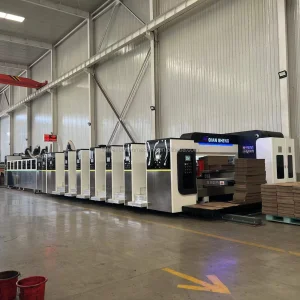
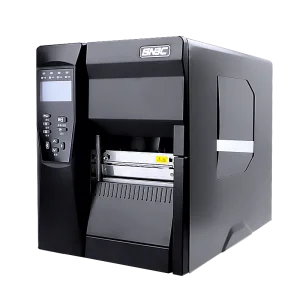
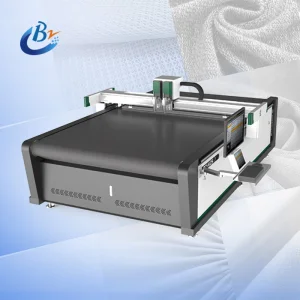
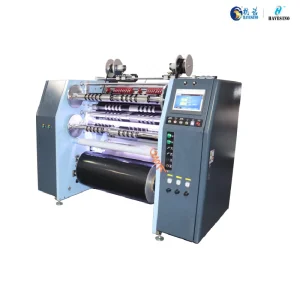
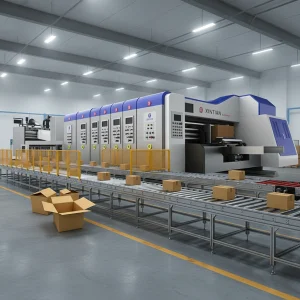
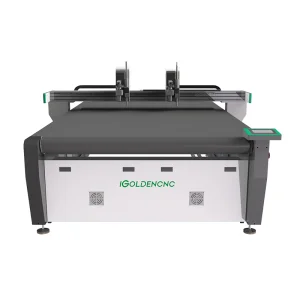
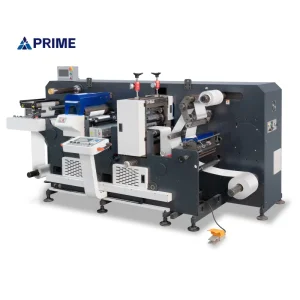
Roll-to-roll (R2R) printing and processing machinery represents a foundational pillar of modern, continuous web-fed industrial manufacturing. From high-volume flexible food packaging and micro-structured pharmaceutical packaging to cutting-edge flexible printed electronics (FPEs), multi-layer thin-film photovoltaics, and battery electrode processing, the reliance on high-speed, continuous-web engineering has expanded exponentially. As global manufacturing scales toward hyper-automation and zero-defect quality thresholds, standard catalog machinery frequently falls short.
In this demanding global framework, Guangdong Moveco Machine Co., Ltd. has positioned itself as an industry-leading OEM exporter. By integrating closed-loop web tension management, micron-level optical color registration, and modular converting suites, Moveco provides engineered-to-order manufacturing setups that allow global packaging companies to enhance throughput, reduce waste, and build distinct technological advantages.
The international market for roll-to-roll printing machinery is undergoing a structural transition. Importers and tier-one engineering firms no longer seek simple mechanical assemblies; they require integrated systems capable of handling ultra-thin, highly dynamic, or temperature-sensitive substrates (such as 12-micron PET, PE barrier films, and lightweight papers). As a result, the role of an OEM exporter has evolved from a basic equipment manufacturer to a comprehensive engineering partner, providing systems capable of real-time diagnostics, remote maintenance, and Industry 4.0 connectivity.
Based in China’s high-tech manufacturing corridor, Guangdong Moveco Machine Co., Ltd. is a specialized developer and manufacturer of advanced label printing, converting, and finishing machinery. Driven by a commitment to mechanical durability, precision engineering, and software control integration, Moveco develops production lines that meet demanding European and North American industrial standards.
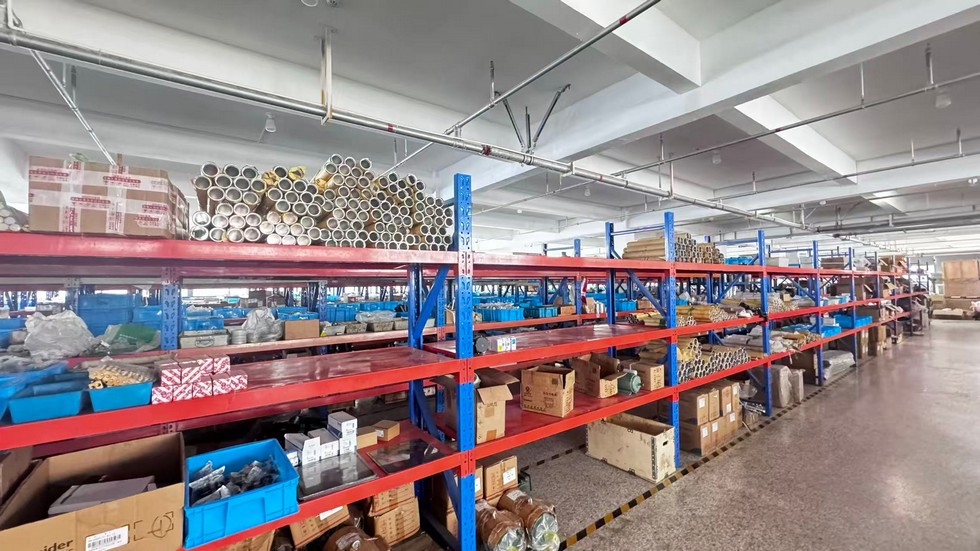
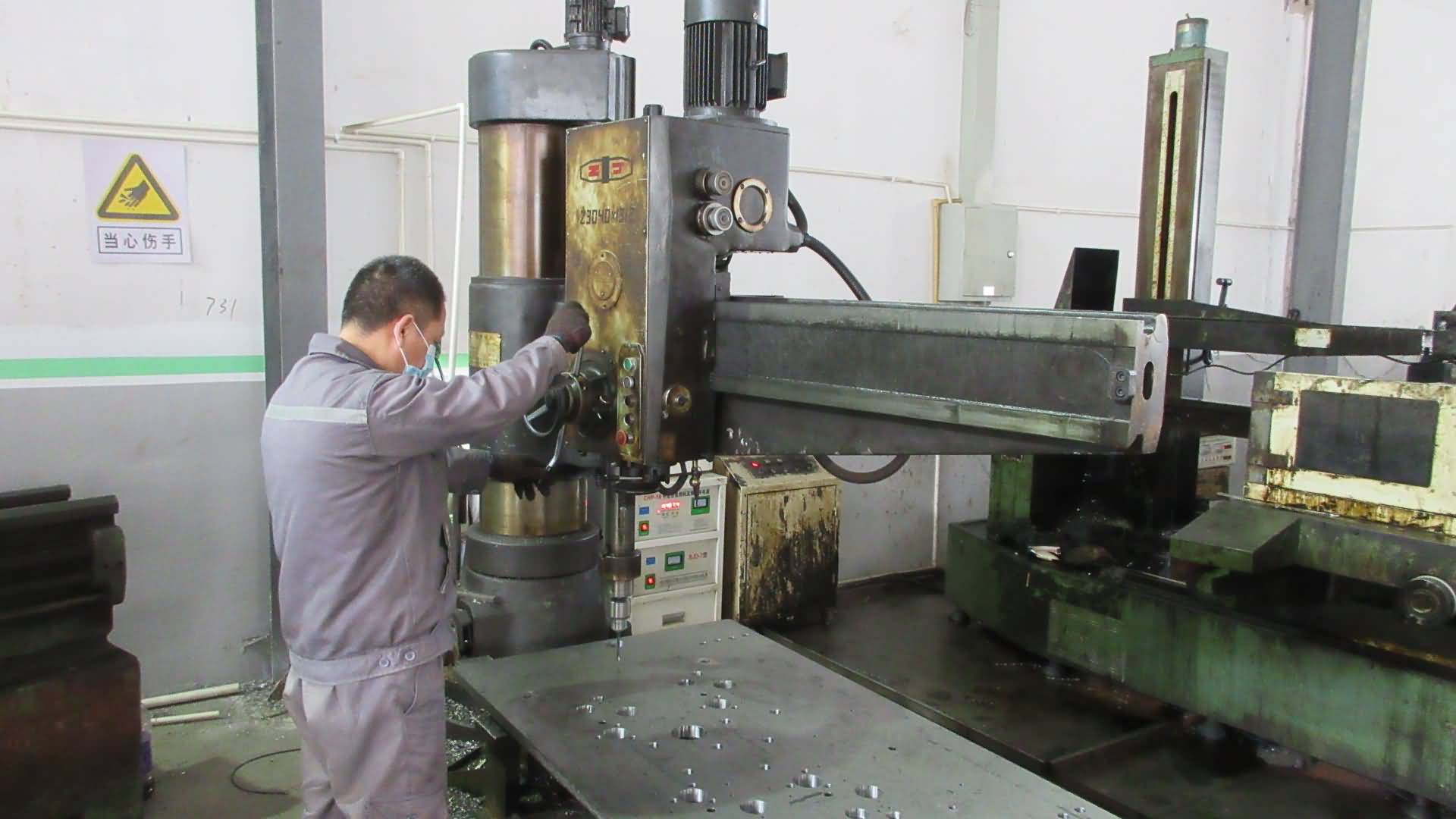
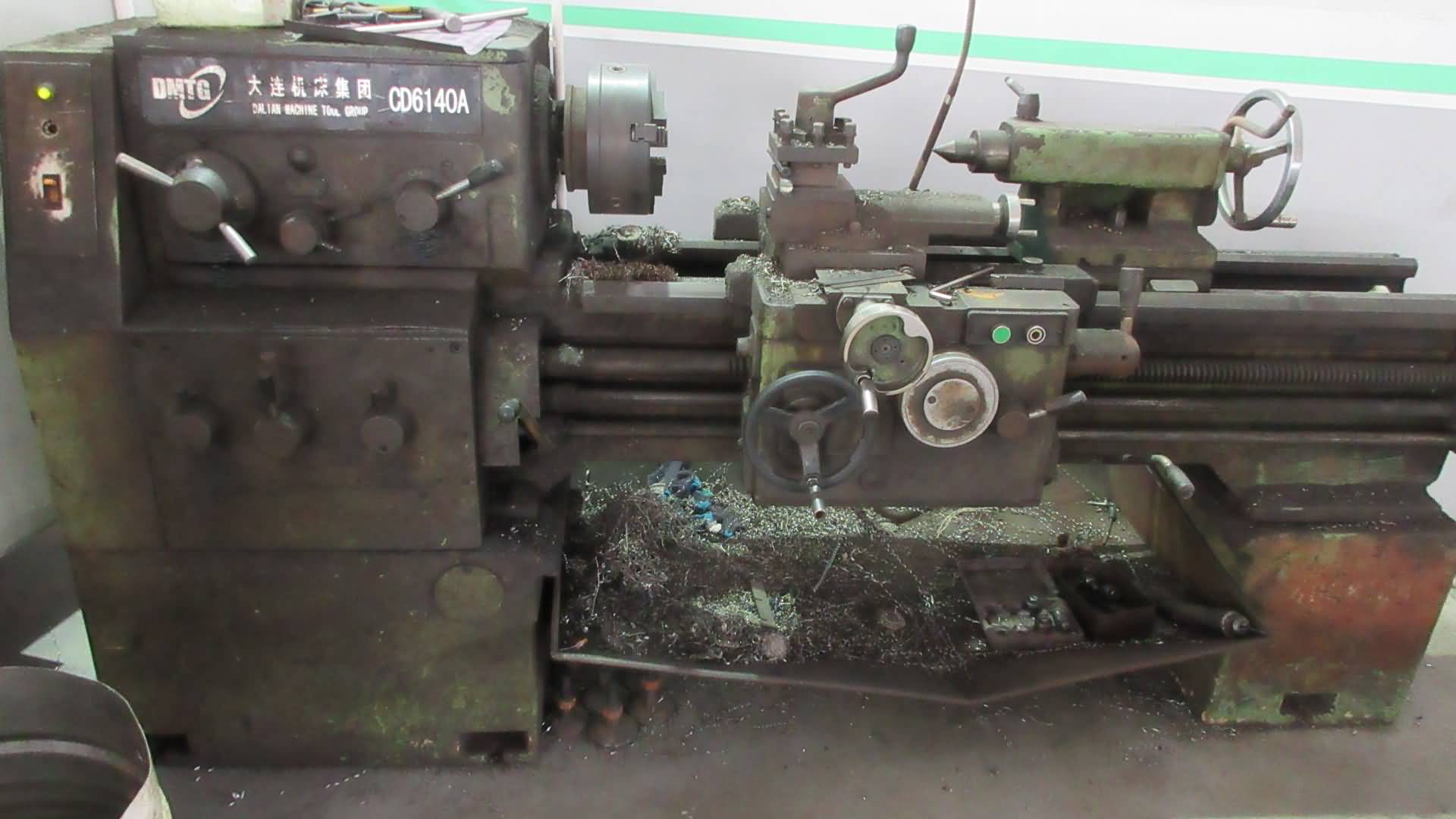
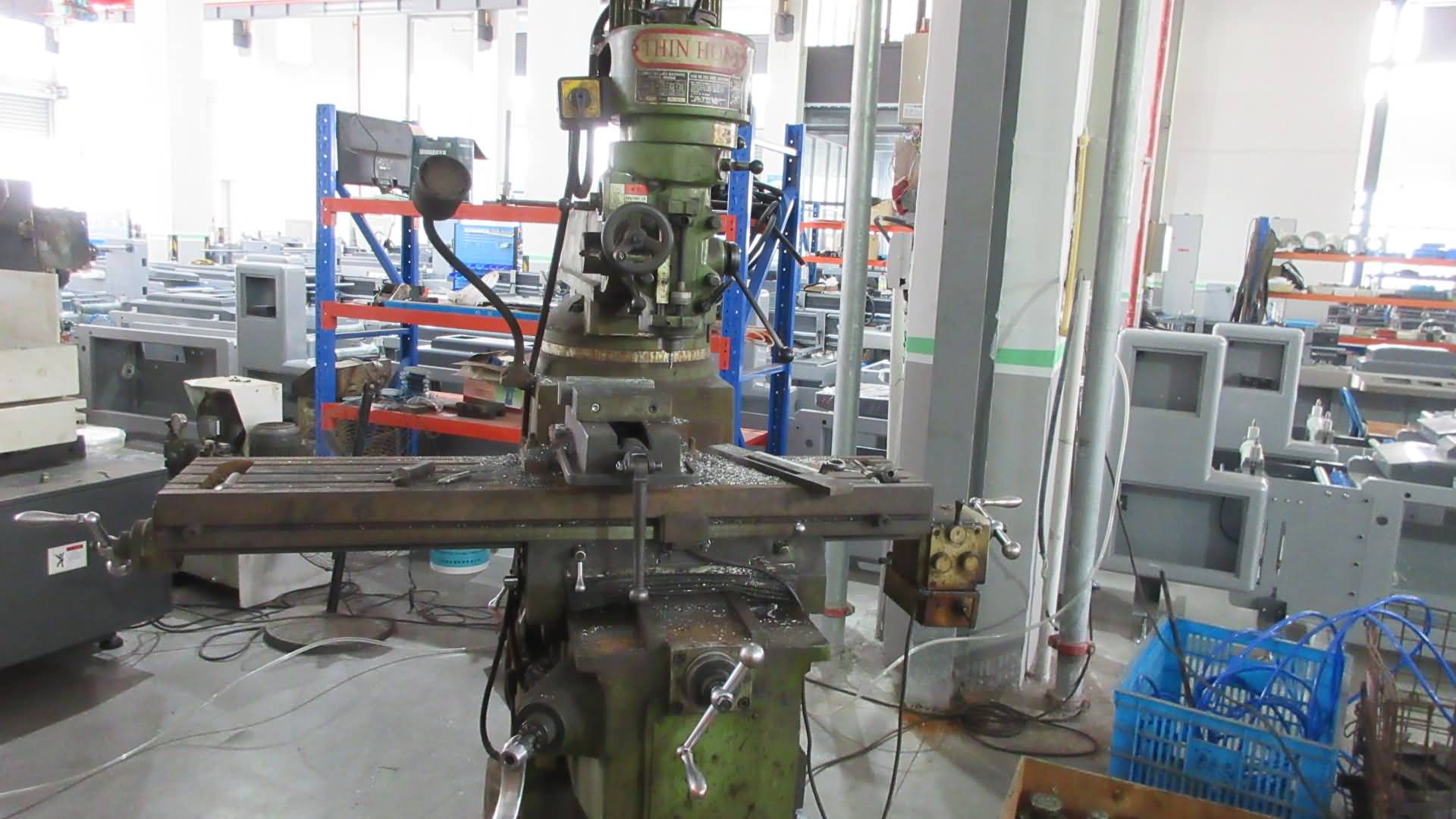
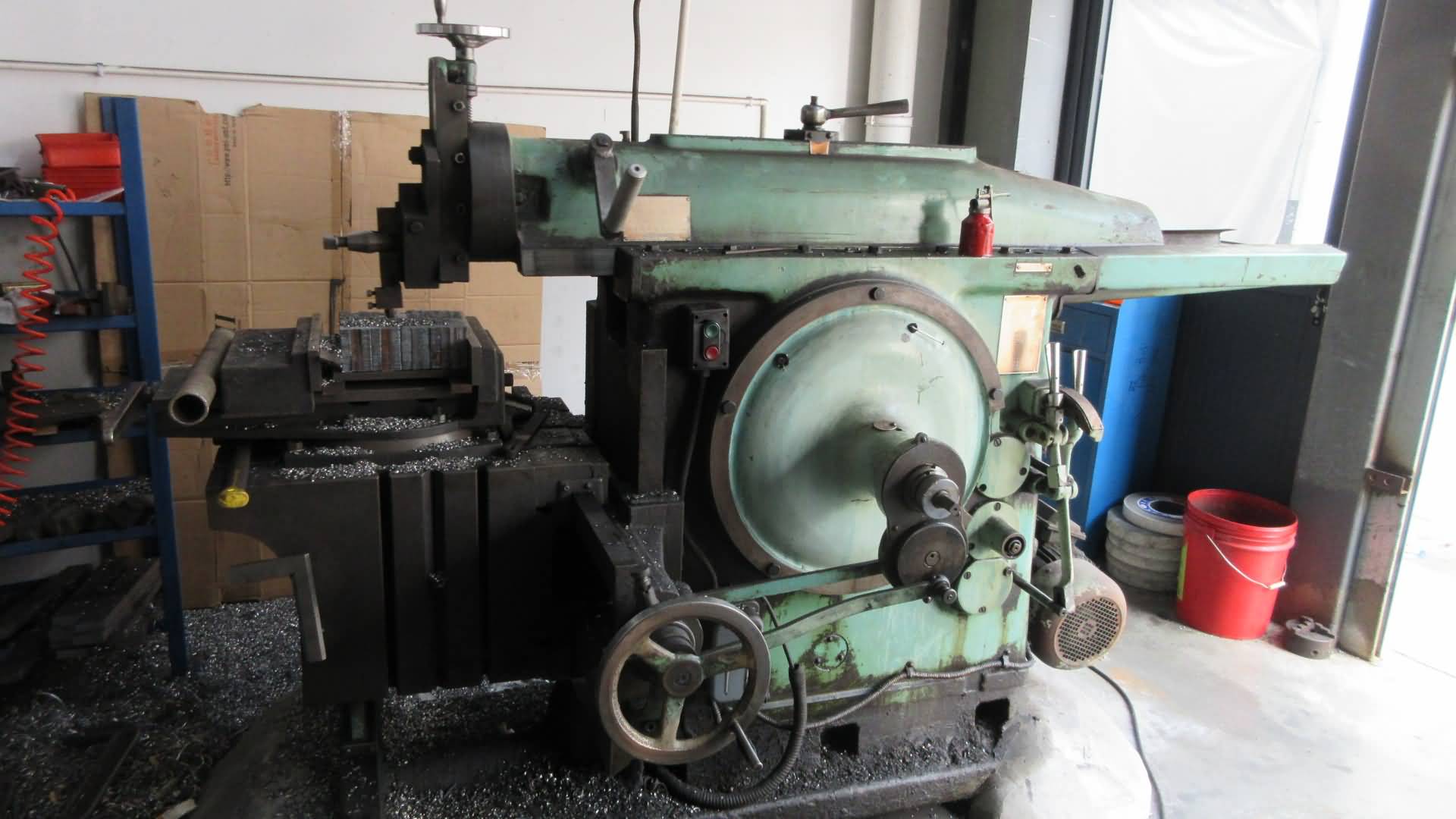
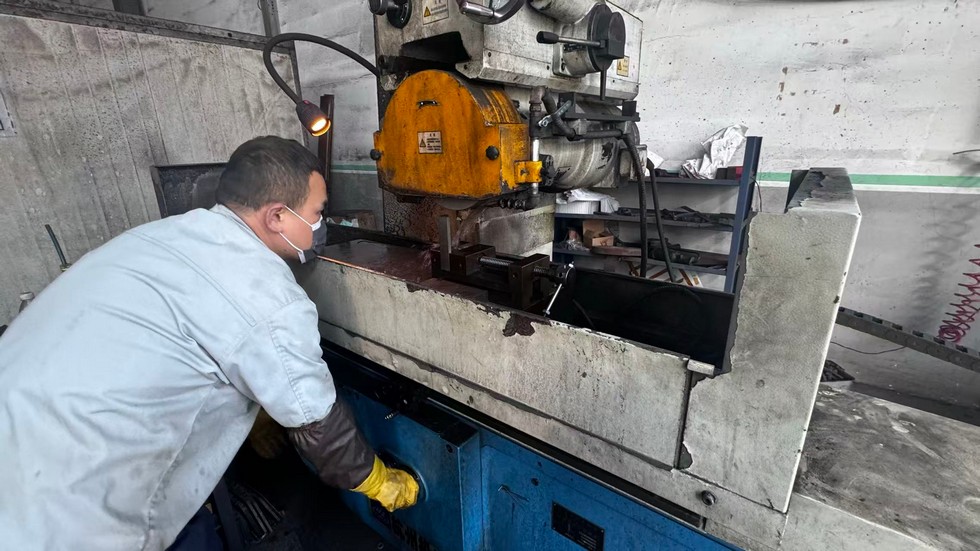
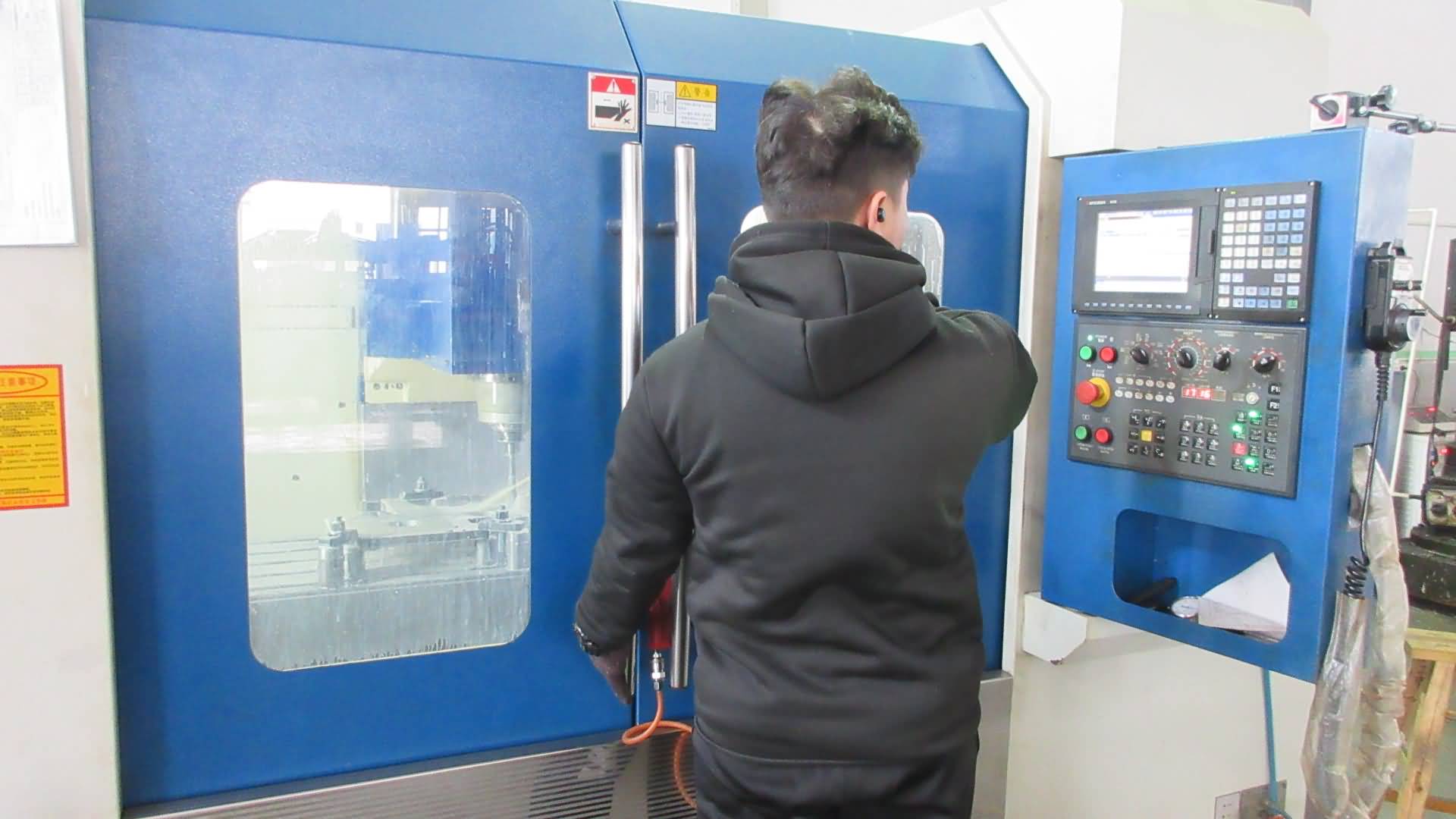
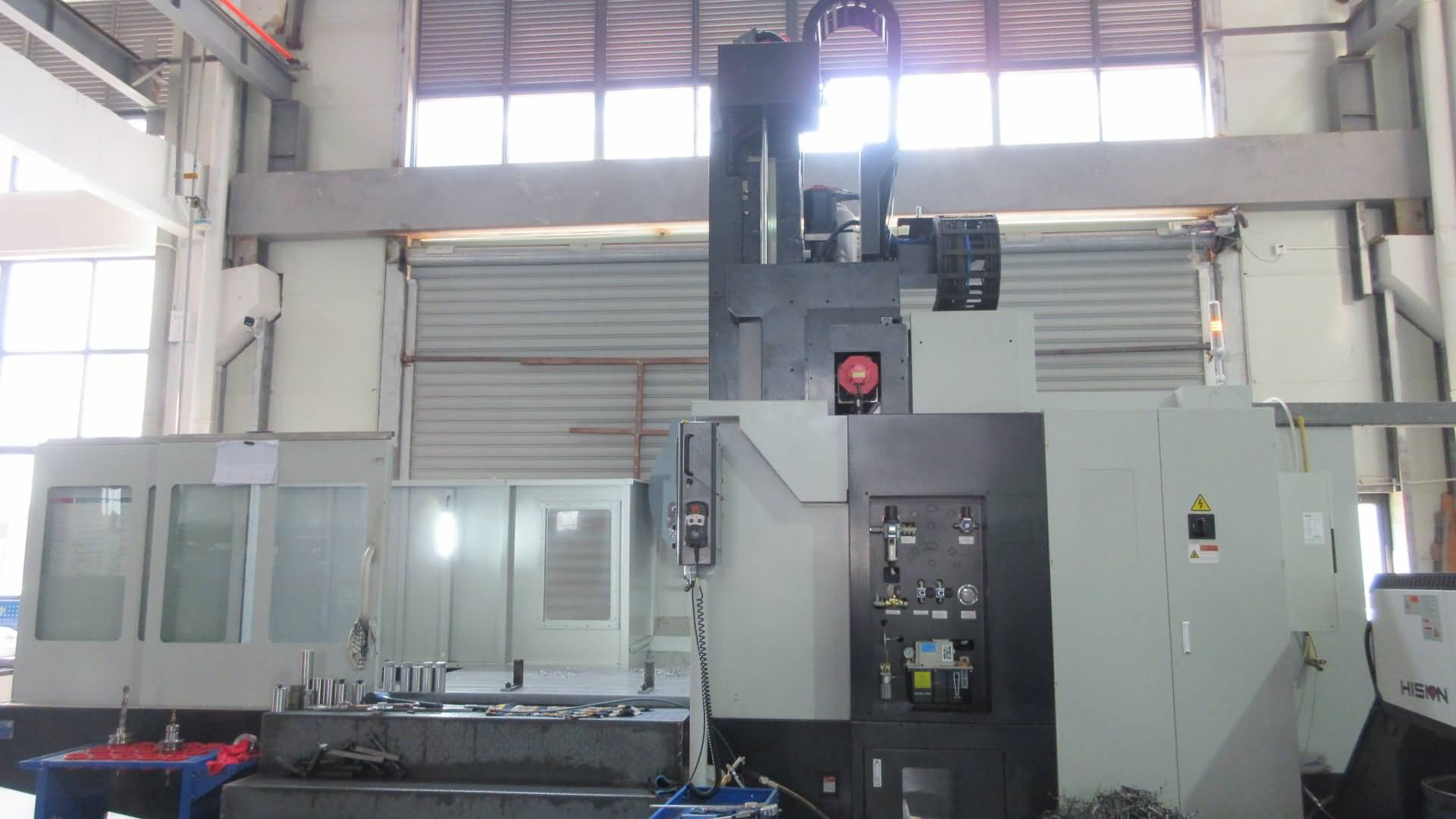
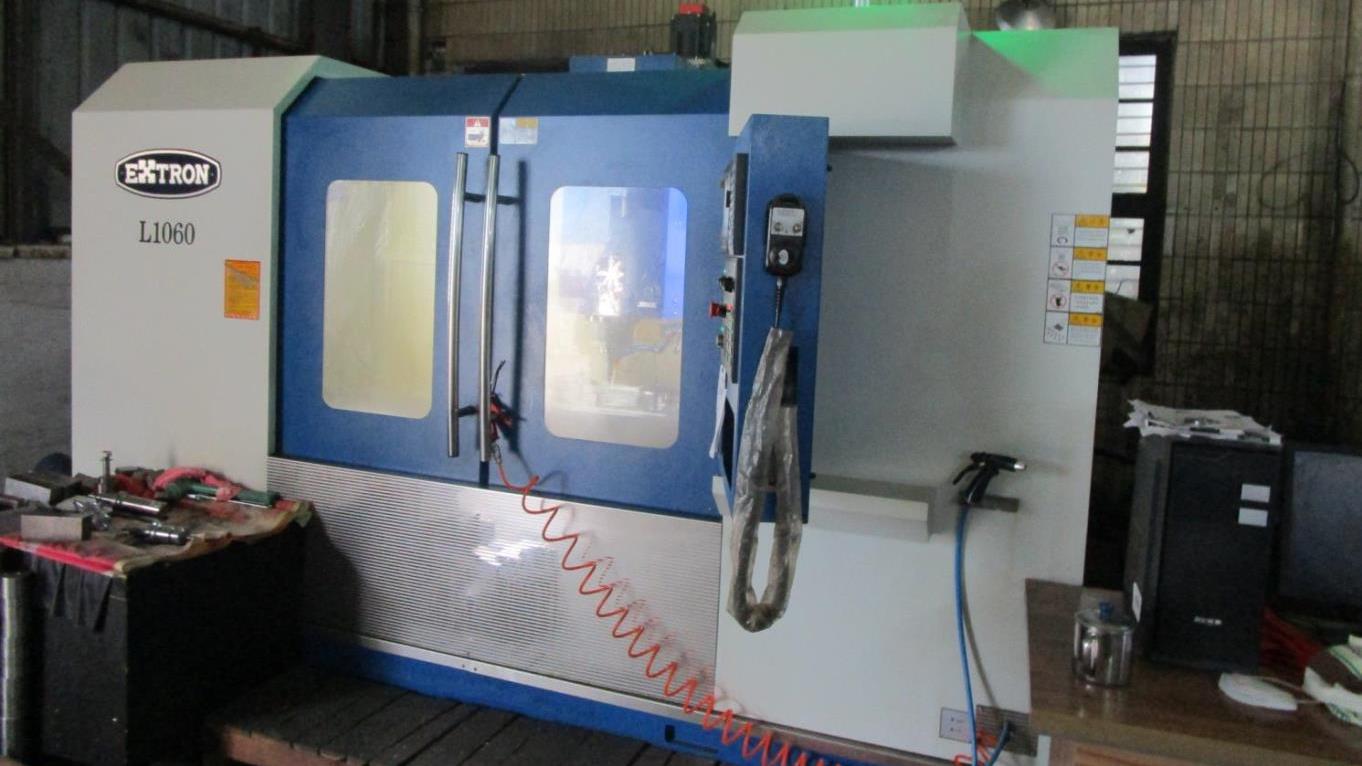
Our modern facility features advanced CNC machining hubs, dynamic balancing systems for high-speed print cylinders, and coordinate measuring machines (CMM) that inspect critical tolerances. These production capabilities ensure that our OEM/ODM custom solutions match the design requirements of global converting plants.
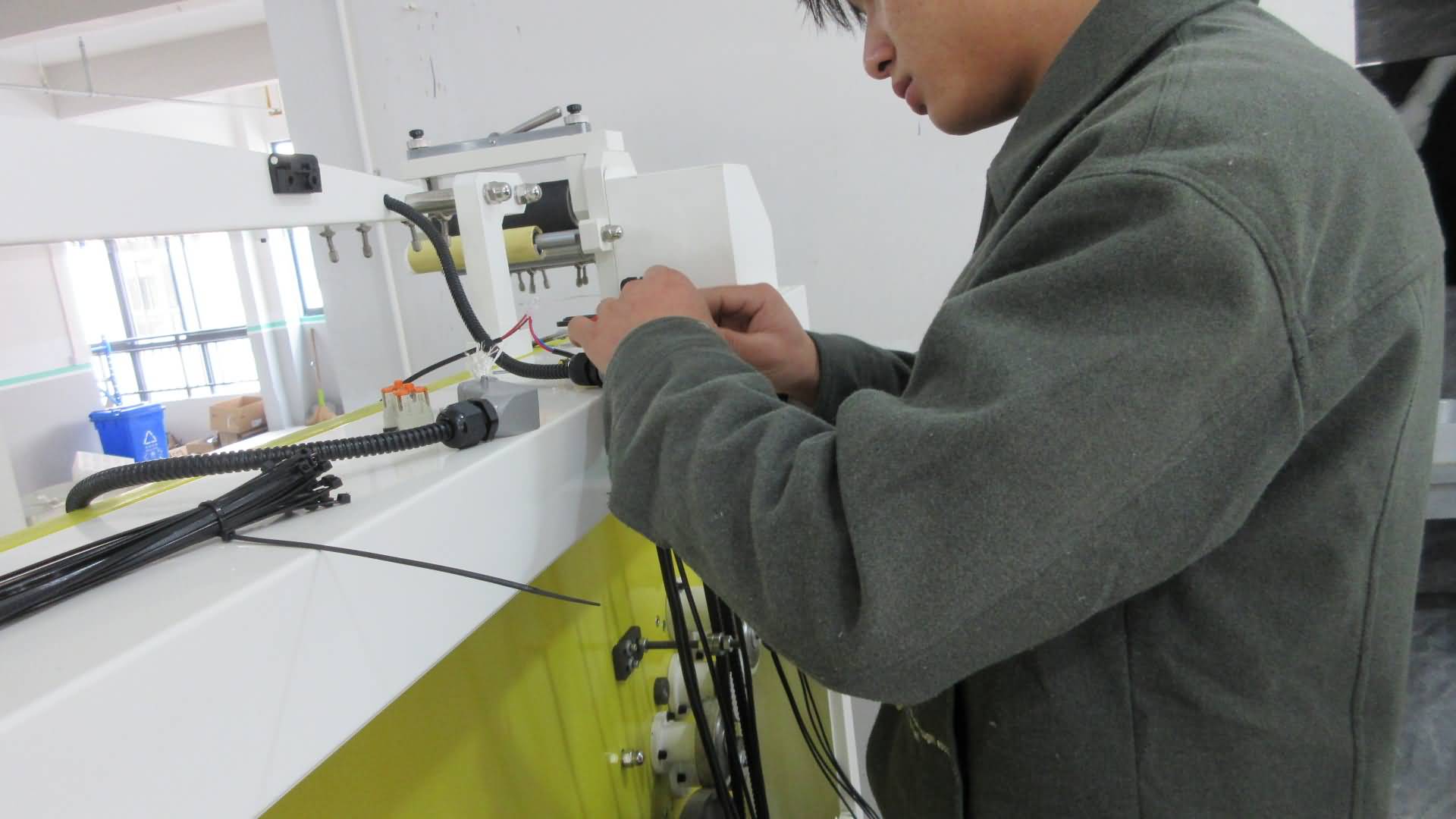
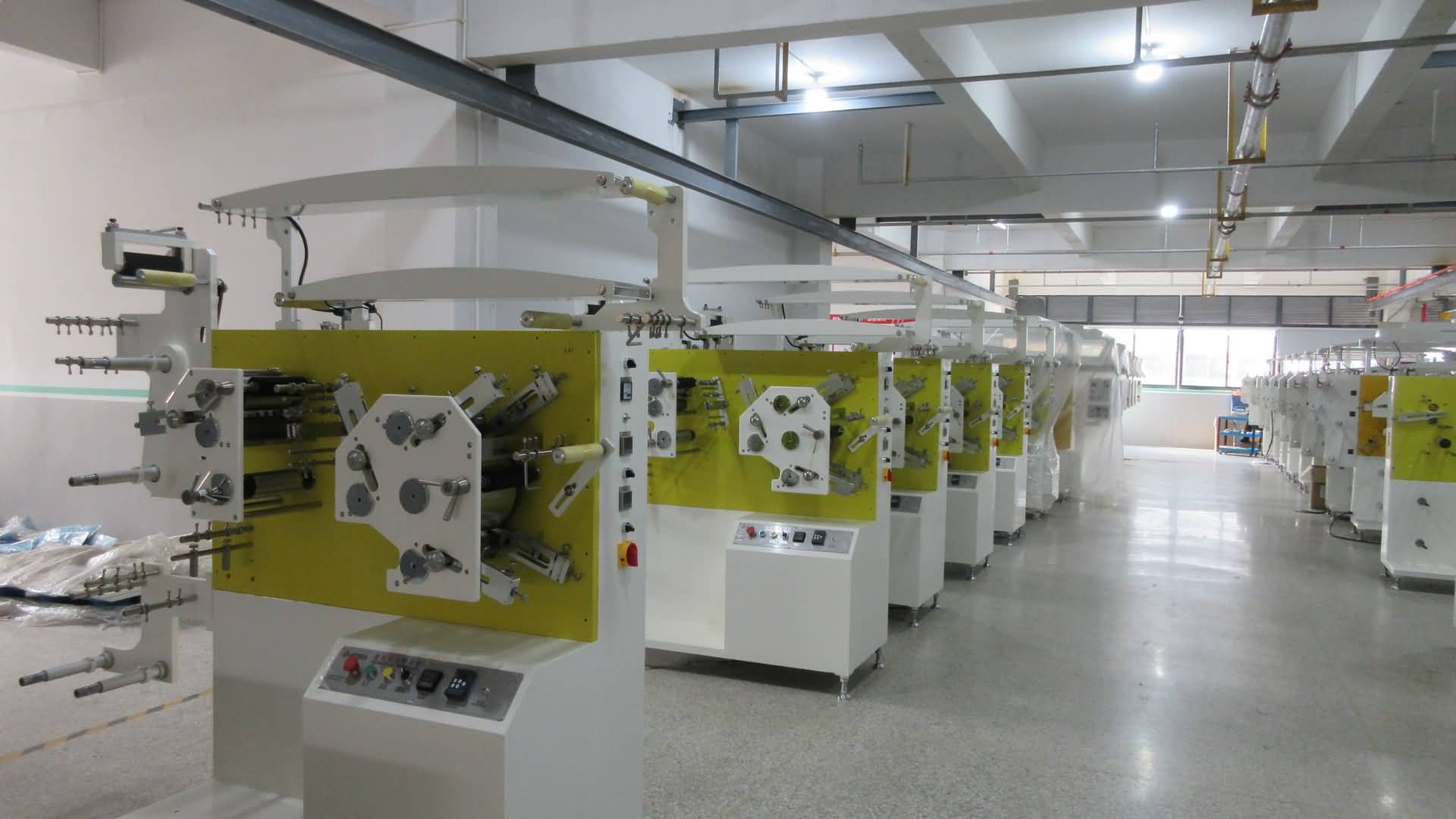
Quality control is maintained through end-to-end, in-house component fabrication. Below is an overview of the manufacturing workflow at Guangdong Moveco Machine:
High-yield roll-to-roll printing is fundamentally a study in real-time control loop engineering. During operation, multiple physical factors act on the moving web. Without advanced mitigation technologies, defects such as color registration errors, web wrinkling, layer delamination, and print voids will occur. Moveco's engineering roadmap relies on four core technical pillars:
Every processing station—from unwinding and corona treatment to multi-station flexo heads, rotary die cutters, and turret rewinders—is driven by independent, high-torque brushless AC servo motors. These motors interface with a central industrial motion controller via high-speed EtherCAT communication.
Tension fluctuations caused by roll eccentricity, variable line speeds, or substrate inconsistencies are detected by high-sensitivity load cells or dancer arm encoders. The system's PID algorithms adjust motor torque in microsecond cycles to maintain consistent tension, which is essential for printing on elastic films like PE and TPU.
For multi-color flexo printing, keeping registration errors below 0.05 mm requires real-time optical tracking. Moveco units integrate print-mark sensors that monitor registration markers on the web.
If a deviation is detected, the motor controllers adjust the angular position of the print cylinder relative to the web. Additionally, high-resolution line-scan cameras provide 100% inspection of the web surface at speeds up to 350 meters per minute, automatically flagging color shifts, voids, or mechanical defects.
| Technical Characteristic | Conventional In-line Flexo | CI (Central Impression) Flexo | Digital UV Hybrid Systems |
|---|---|---|---|
| Substrate Versatility | Paper, Board, Rigid Films | Ultra-thin PE, Laminated Films | Variable short-run specialized media |
| Tension Management | Sectional tension zones | Single large cylinder locking | Electronic high-density control |
| Registration Range | ± 0.10 mm | ± 0.05 mm | ± 0.03 mm |
| Suitable Run Lengths | Medium to Large (Packaging) | Massive (High-Speed Flex-Pack) | On-Demand Custom Labels |
To support varying ink formulations and processing speeds, Moveco R2R lines can be configured with multiple curing options:
UV-LED Systems: Deliver targeted wavelength output for rapid curing of UV inks and coatings, with minimal thermal transfer to the substrate. This is ideal for heat-sensitive shrink sleeves and thin films.
High-Velocity Hot Air / IR Dryers: Used for solvent-based and water-based inks. Feature automatic recirculation zones to balance energy efficiency with efficient volatile organic compound (VOC) removal.
As an OEM exporter, Moveco configures web-handling systems to meet the regional and regulatory standards of diverse global markets:
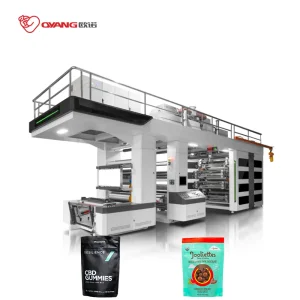
Meets European and FDA hygiene regulations by using food-grade stainless steel assemblies and water-based flexo printing. Designed for high-speed production of stand-up pouches, shrink film sleeves, and barrier wraps.
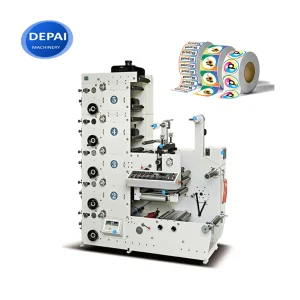
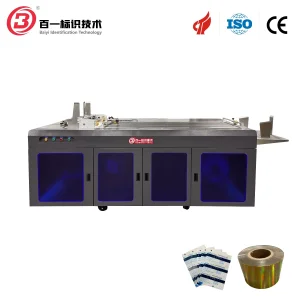
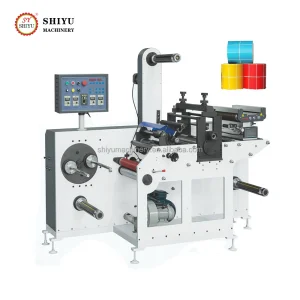
Combines inline rotary die-cutting, cold-foiling, laminating, and slitting in a single pass. Designed for high-efficiency production of self-adhesive labels, variable barcodes, and wash-care tags.
Features automated non-stop turret rewinding and integrated RFID chip insertion. Enables secure tracking, anti-counterfeiting verification, and precise compliance printing for medical blisters.
Provides high-precision substrate handling with low surface contact. Supports the deposition of conductive inks for flexible displays, printed sensor networks, and thin-film solar modules.
The roll-to-roll manufacturing landscape is evolving rapidly, driven by sustainability targets and digital integration:
Modern Moveco lines feature integrated IoT sensors that monitor temperatures, vibration, motor current, and air flows. By sending this telemetry data to cloud-based monitoring dashboards, operators can implement predictive maintenance models, helping to avoid costly, unscheduled downtime.
With the rising cost of raw substrates, reducing startup and changeover waste is key to profitability. Moveco’s pre-register systems and job memory storage allow operators to recall configuration parameters (such as tension profiles, air pressures, and print head alignments) for repeat runs, minimizing physical media usage during setup.
To assist procurement managers, lead design engineers, and facility operators, our technical team answers the most common engineering queries regarding OEM R2R systems:
 Moveco Machine