Explore our advanced roll-to-roll machinery engineered for supreme tension stability and precision alignment.
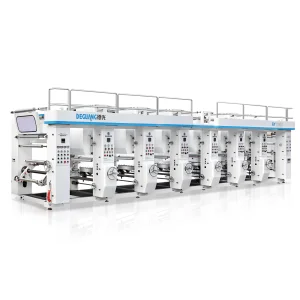
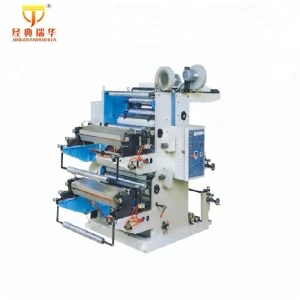
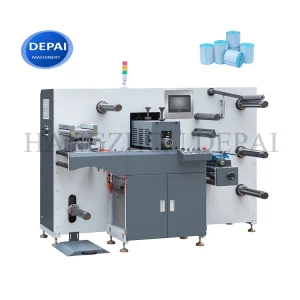
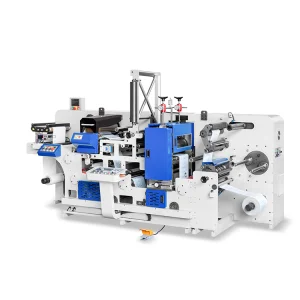
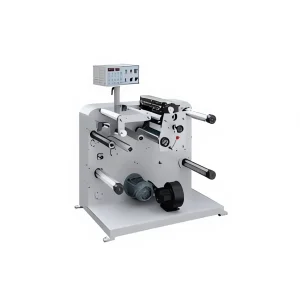
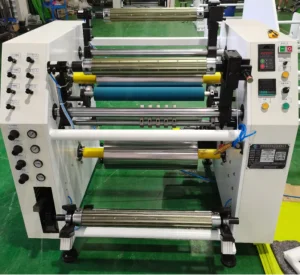
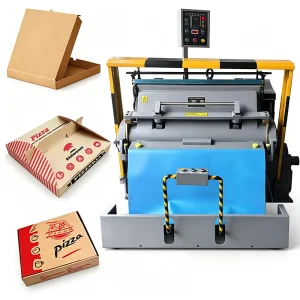
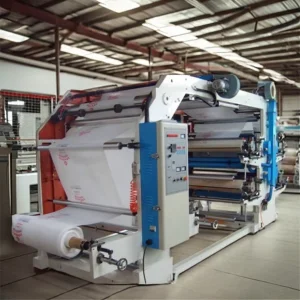
In the modern manufacturing landscape, the shift toward continuous processing has cemented the role of Roll to Roll (R2R) Laminating Systems as core infrastructure. Historically restricted to simple paper converting and packaging, modern R2R web processing now operates at the intersection of material science and nanotechnology. It is heavily utilized in producing flexible printed electronics, organic photovoltaics (OPV), barrier films for flat-panel displays, and polymer lithium-ion battery electrodes.
Globally, manufacturing enterprises require laminating machinery capable of handling thin, delicate substrates (down to 1.5 microns) at rapid web speeds while maintaining micron-level alignment. As demand rises in regions like Europe, North America, and Southeast Asia, manufacturers are moving away from batch systems toward high-capacity R2R systems. This transition minimizes material scrap, ensures high throughput, and yields the uniform adhesion essential for multi-layer composites.
China has transitioned from a low-cost manufacturing site to a primary engineering hub for complex R2R and printing conversion systems. High-end factories in regions like Guangdong integrate comprehensive local supply chains, linking precision metal casting, advanced CNC component milling, and state-of-the-art servo electronics suppliers within a tight geographic radius.
This high localization allows Chinese suppliers to deliver heavy-duty structural frames—such as single-piece cast iron beds subjected to thermal annealing treatments—at lower costs than Western counterparts. Consequently, global buyers secure machines built with structural damping properties, high thermal stability, and premium electronic integration (including PLC systems, load cells, and sensor networks) at competitive prices. This cost efficiency allows factories to reinvest in testing, customized mechanical configurations, and rapid delivery schedules.
The future of R2R laminating systems focuses on intelligence and sustainability. High-speed systems now incorporate integrated AI Optical Inspection Systems that monitor surface defects, delamination zones, and contaminants in real-time, instantly tagging anomalies without halting production lines.
From a green perspective, the industry is transitioning away from solvent-based laminating adhesives to solvent-free thermal-fusion and water-based adhesives. This shift requires precise thermal zoning in heating tunnels and optimized nip roller pressures. Modern systems are designed to minimize power consumption in dryer structures by reusing heat, helping multi-national factories align with strict ESG and carbon-neutrality targets.
Engineered for maximum reliability, thermal stability, and precision in high-speed converting environments.
How we optimize web path control and structure alignment to eliminate operational downtime.
Fluctuating unwind/rewind tension causes stretching, wrinkles, or web breaks. Our systems feature closed-loop load cells and ultra-responsive pneumatic dancers for stable tension profiles.
Lateral drifting during multi-layer lamination ruins registration. We employ digital ultrasonic edge-guiding systems (EPC) to ensure precise layer-to-layer tracking.
Uneven roll pressure or temperature fluctuations yield weak bonds and bubbling. We utilize thermal-oil heated cylinders and dual-cylinder nip assemblies for uniform heat and pressure.
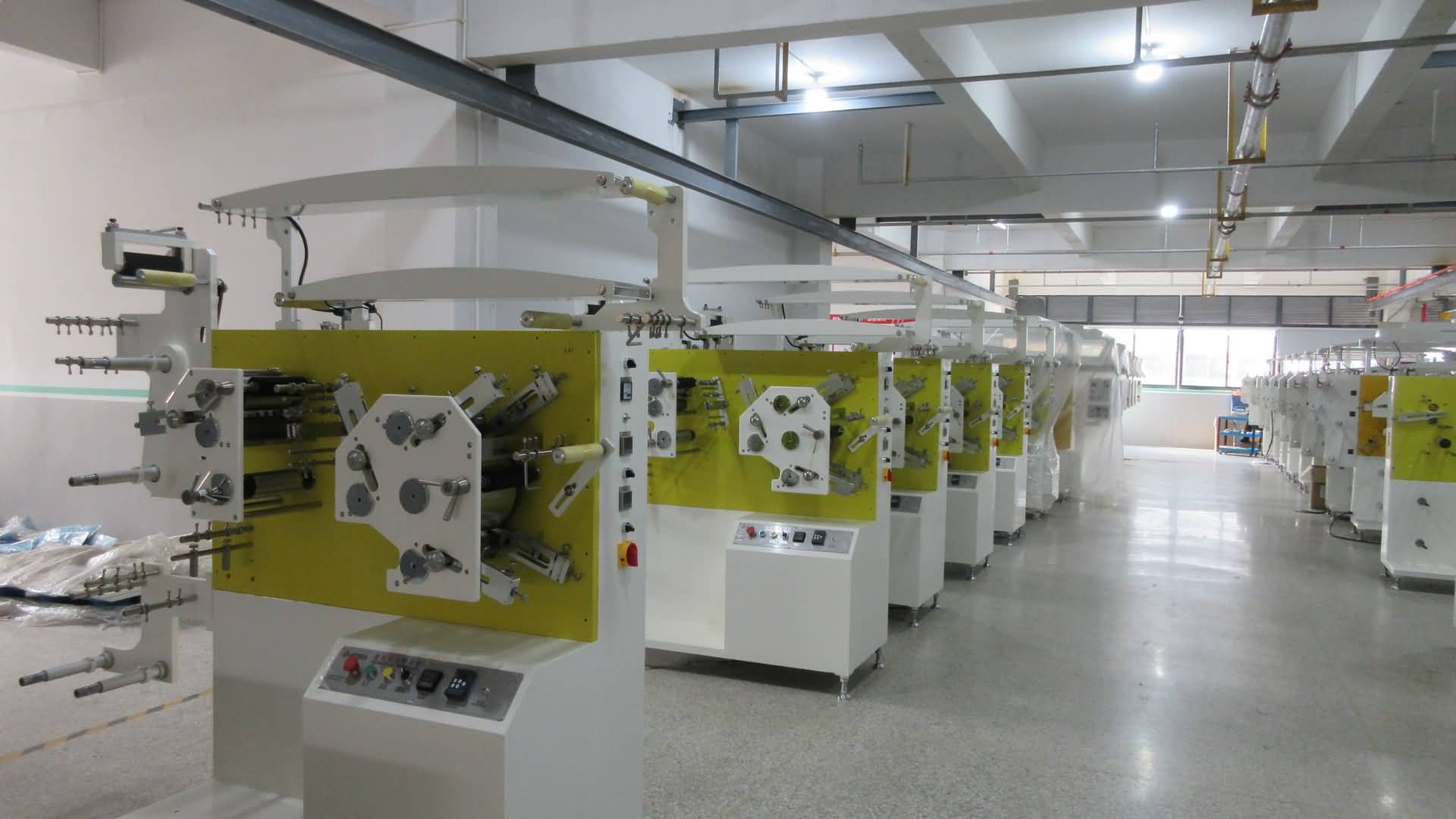
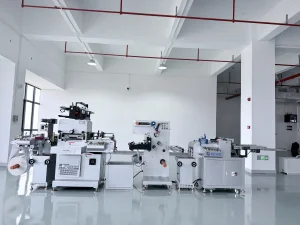
A professional manufacturer specializing in the research, development, production, and sales of advanced label printing, converting, and finishing equipment.
With years of industry experience, state-of-the-art manufacturing facilities, and a highly skilled engineering team, Guangdong Moveco Machine Co., Ltd. is committed to providing innovative, efficient, and reliable solutions for the global label printing and packaging industries.
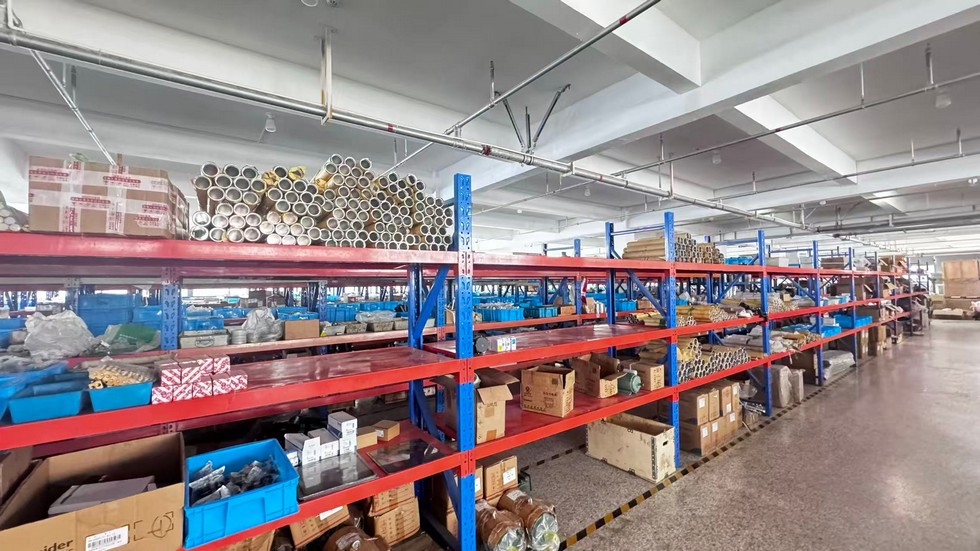
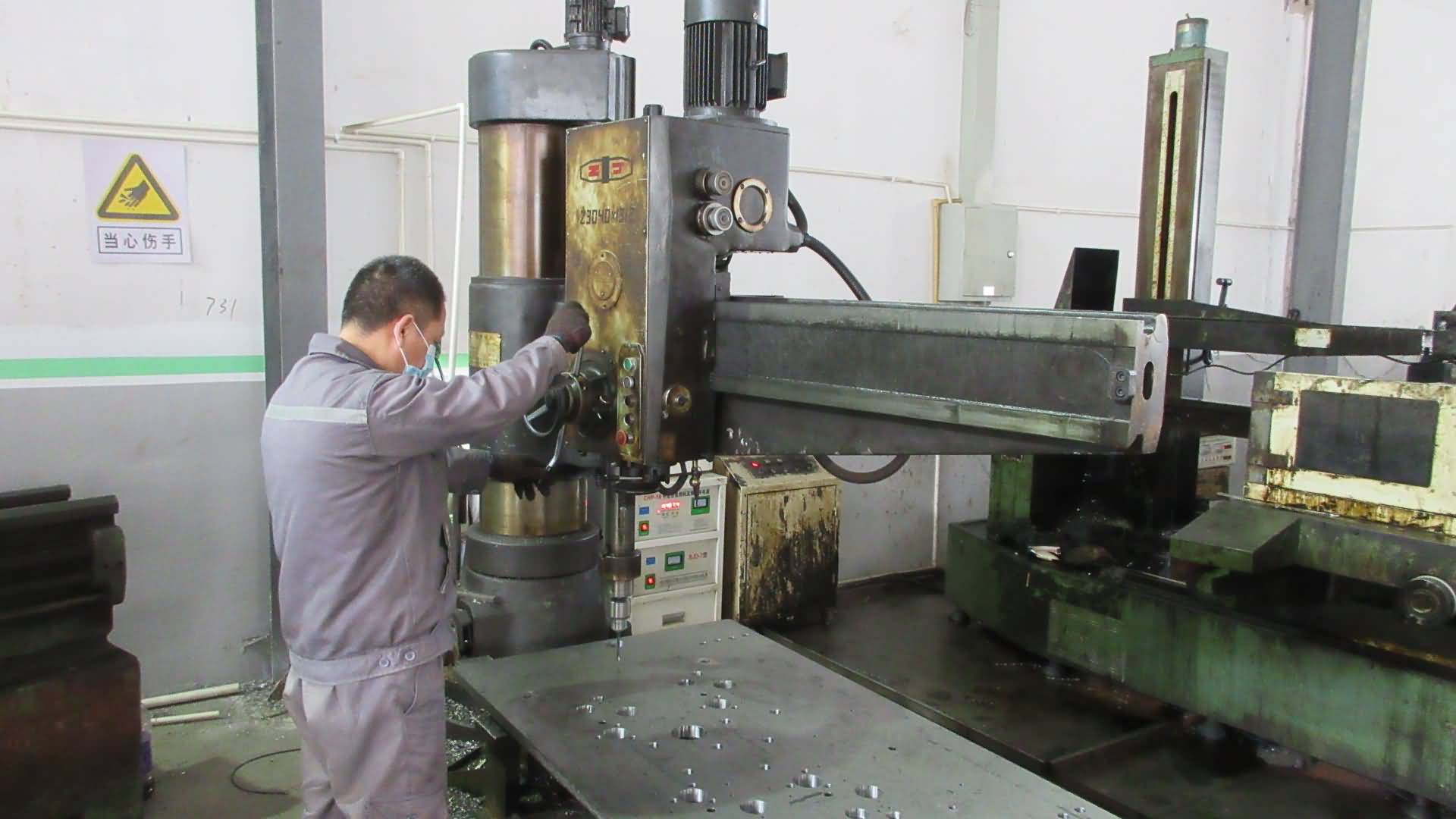
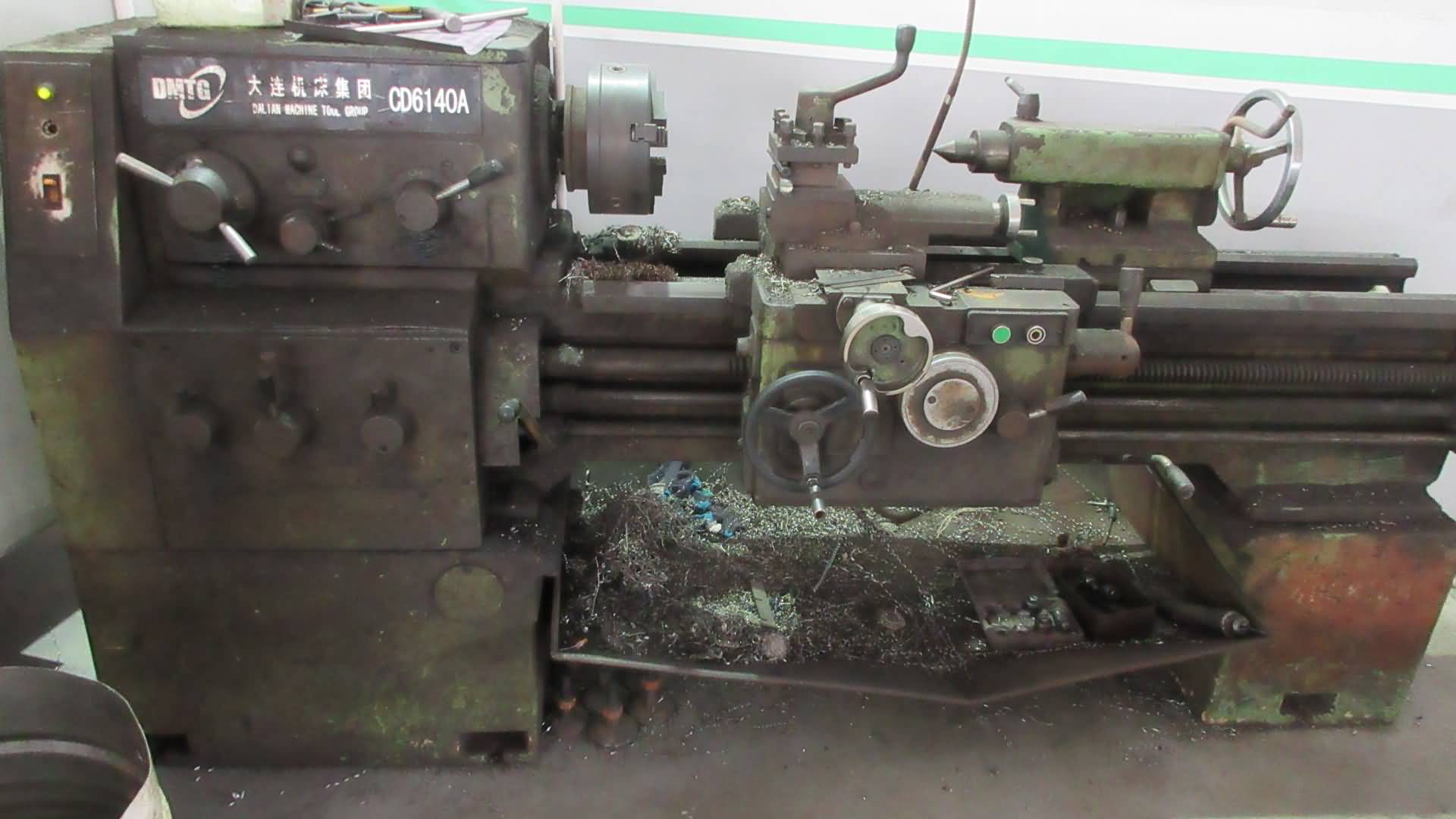
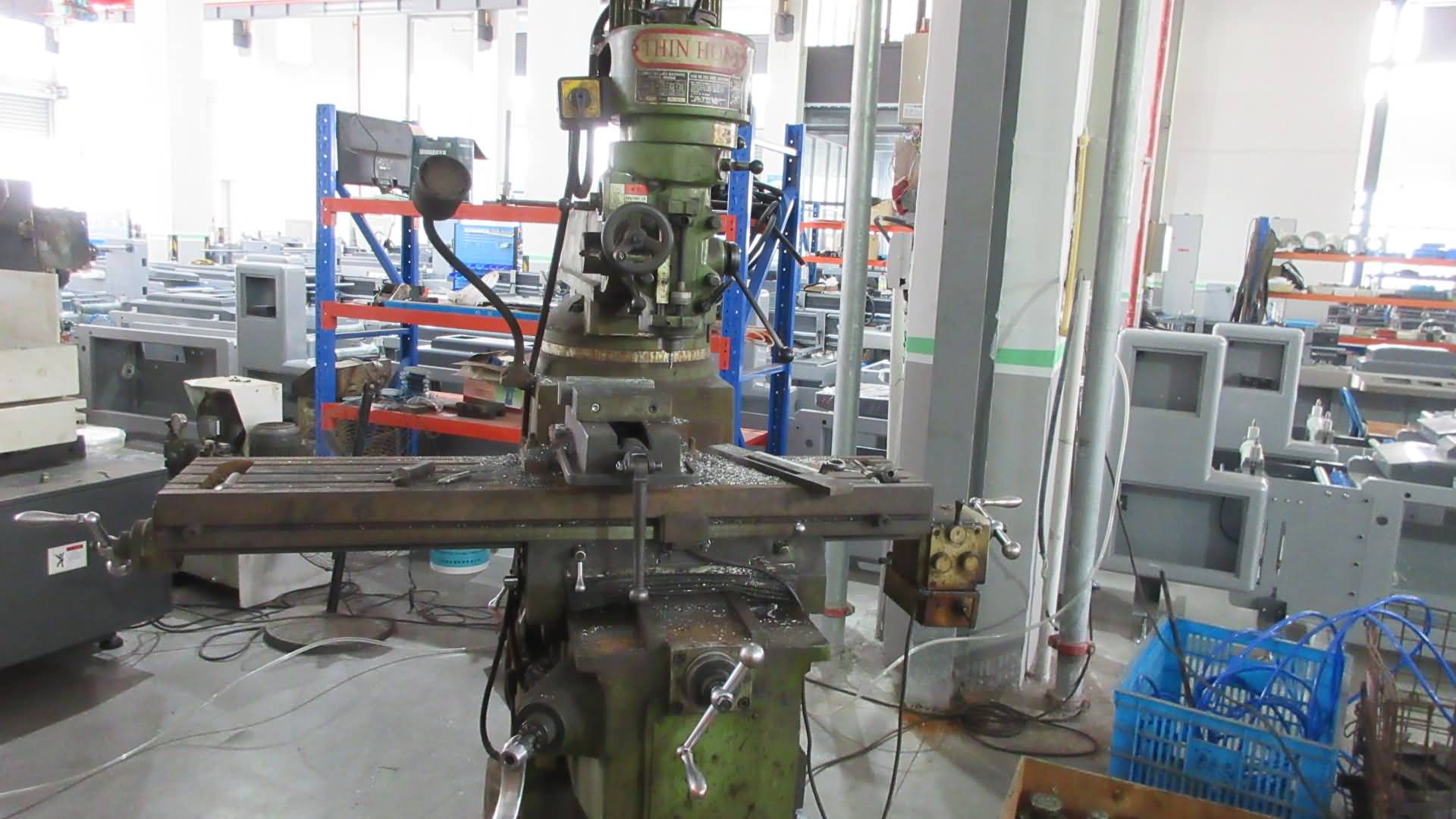
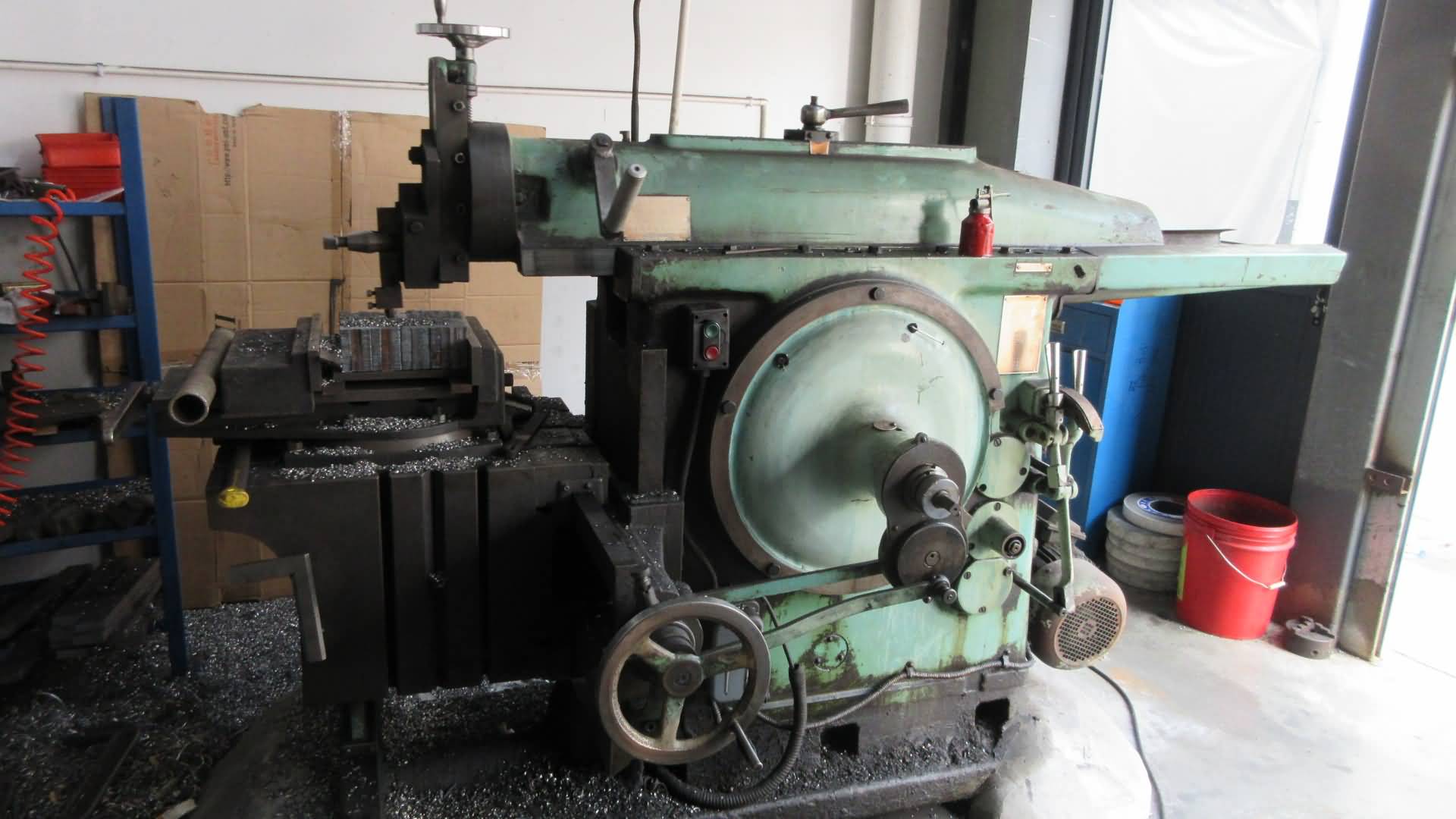
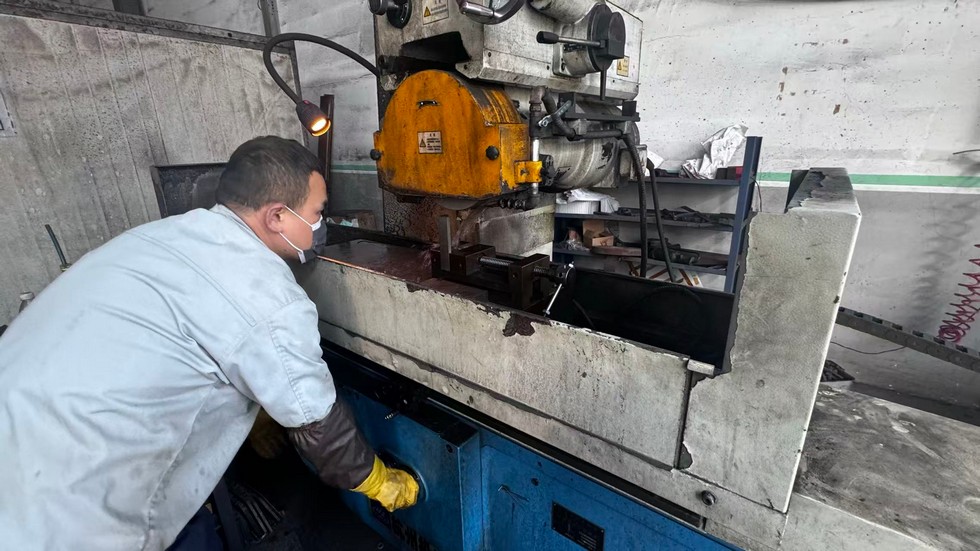
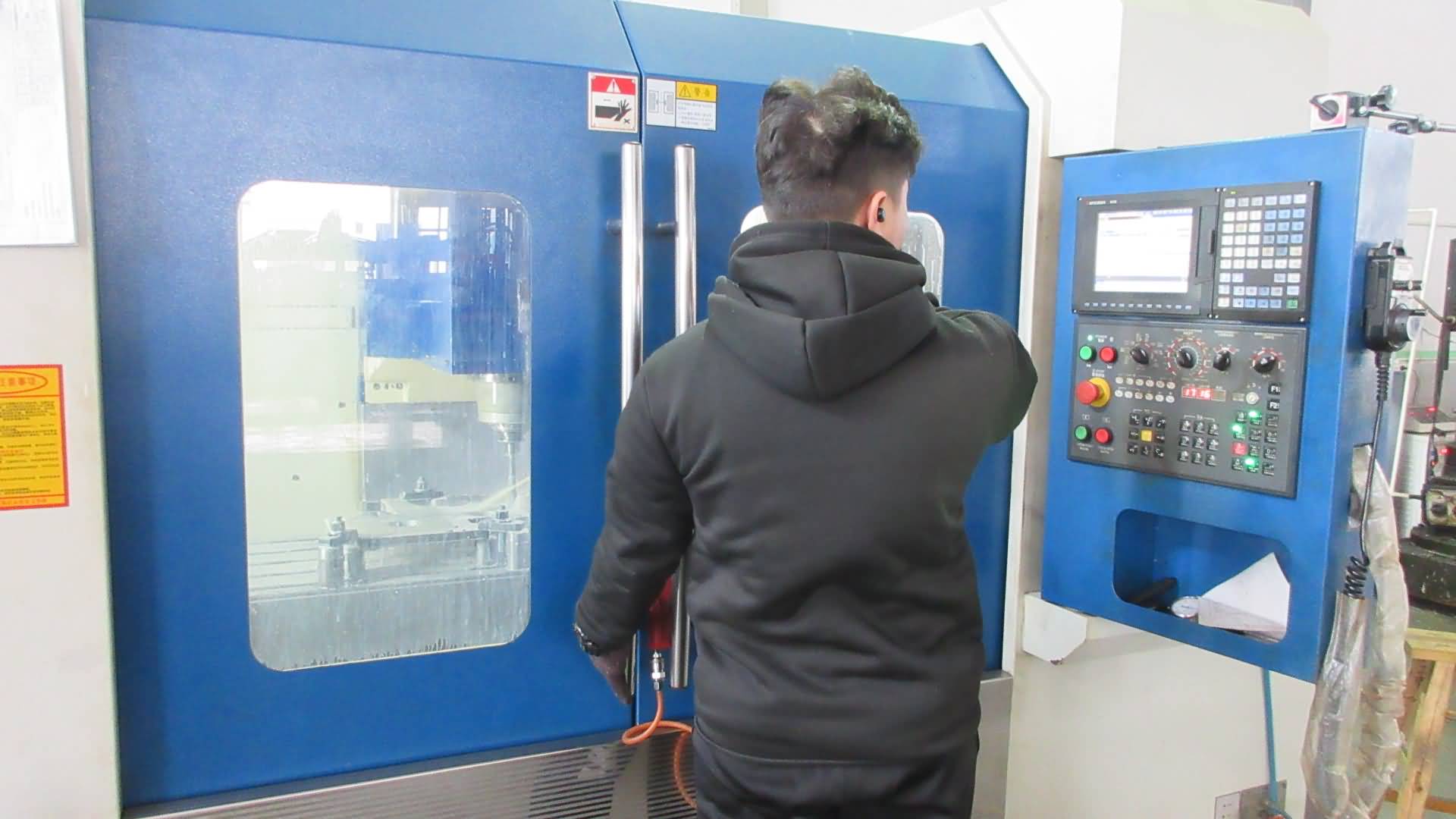
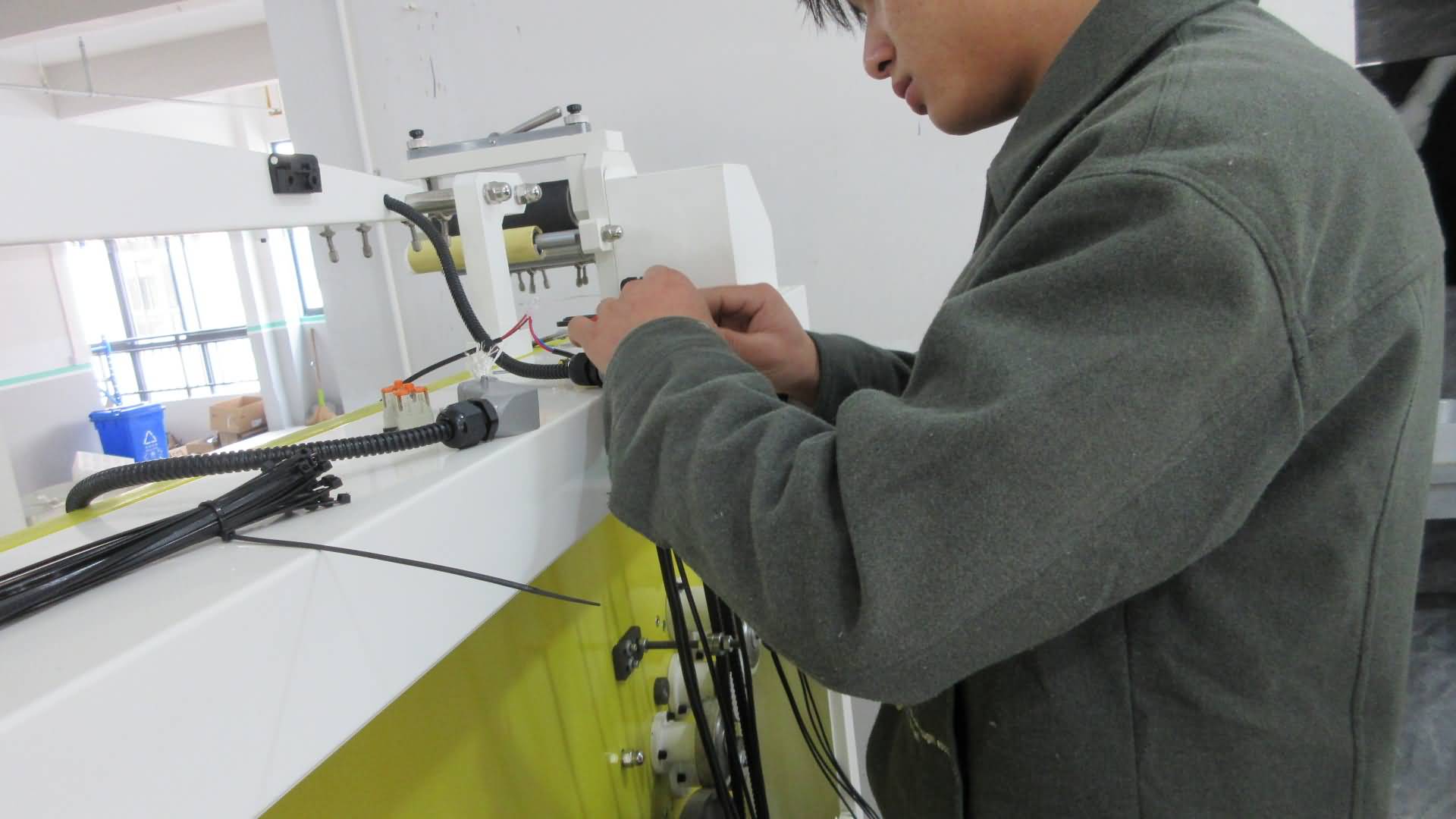
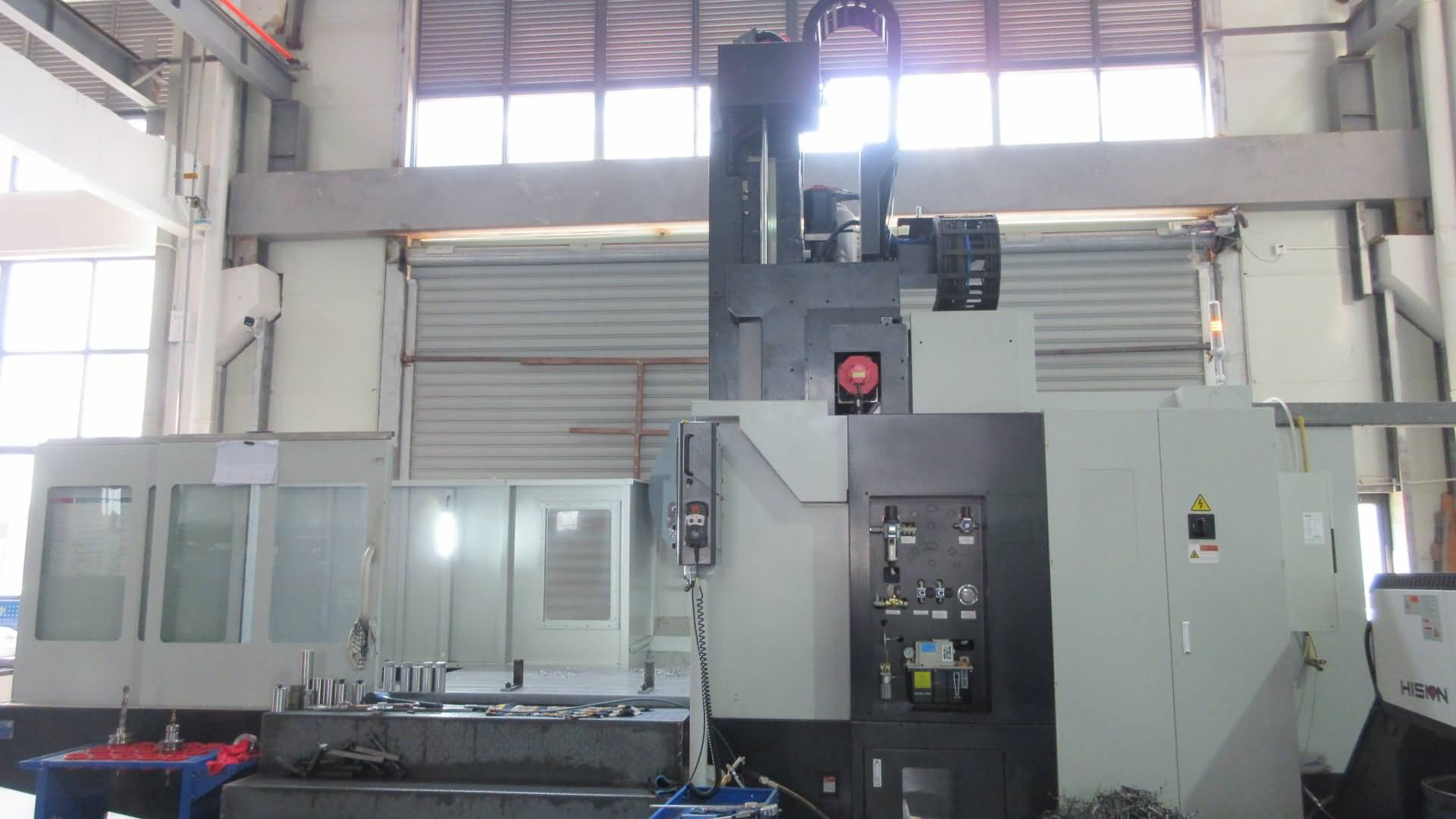
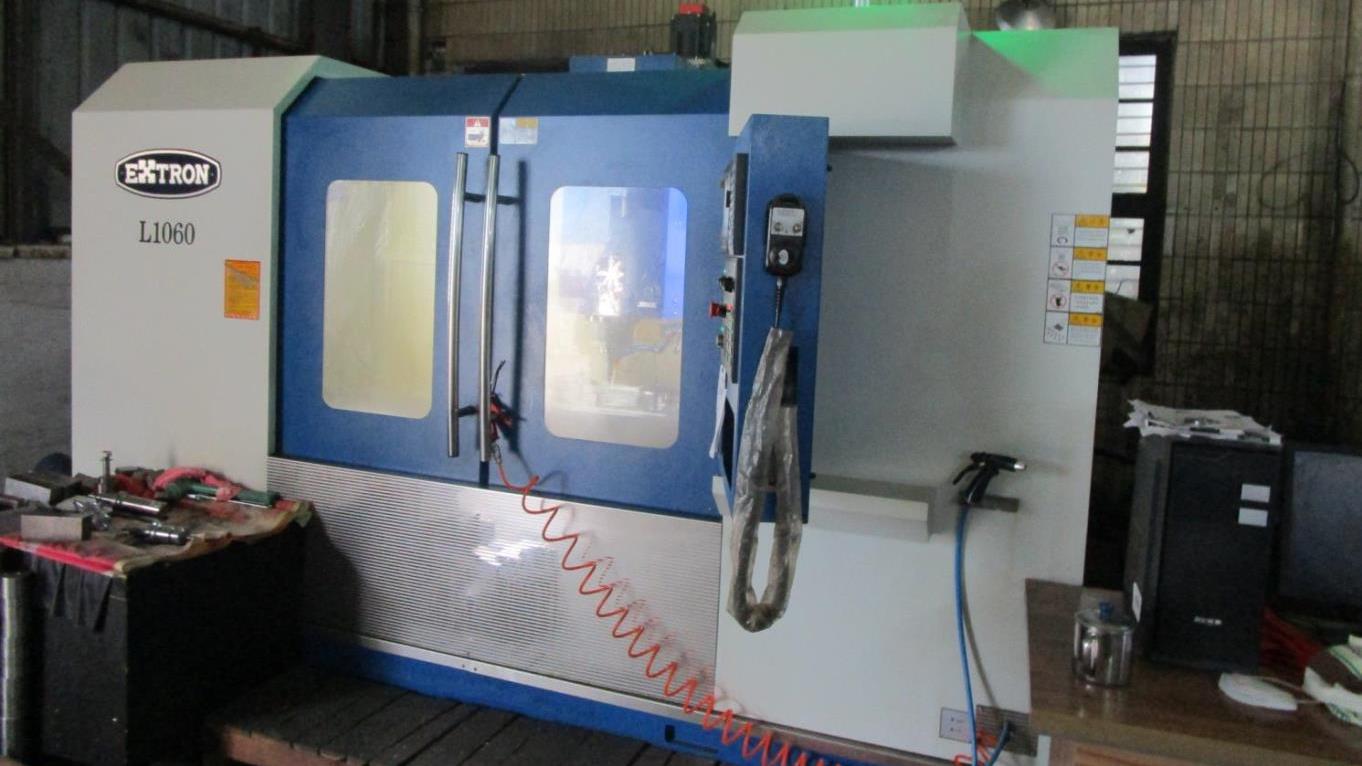
Our company has introduced advanced CNC machining equipment, including high-precision lathes, milling machines, grinding machines, and other precision processing systems. Supported by experienced technical professionals and a strict quality management system, every machine is manufactured to meet international quality standards, ensuring excellent performance, long service life, and reliable operation.
Moveco integrates advanced automation and intelligent control technologies into its equipment. Our machines are equipped with user-friendly touch-screen control systems, precision servo drive technology, and intelligent registration systems to achieve stable operation, accurate color registration, and high-speed production with outstanding printing quality. Different substrate tensions can be adjusted through the control interface, while automatic inking, washing, and quick-change cylinder systems significantly improve production efficiency and reduce downtime.
The main machine frame is manufactured through one-piece precision casting and undergoes annealing treatment to eliminate internal stress, ensuring exceptional structural stability and long-term accuracy. Key transmission components are driven by internationally recognized servo motors, providing high torque, low heat generation, minimal wear, and precise motion control. Surface-treated chrome-plated cylinders offer excellent scratch resistance, durability, and consistent printing performance.
Key technical considerations for operations managers and system integration engineers during machinery sourcing.
When selecting a custom Roll to Roll Laminating System, the mechanical geometry of the web path dictates substrate compatibility. Aluminum foil, polymer films (PET, BOPP, PE), and papers expand differently under thermal tension. Rollers must be dynamically balanced and chrome-plated to avoid friction scratches. A design utilizing segmented idler rollers minimizes boundary layer air entrapment, which can cause slipping at high speeds.
For dry bond and thermal lamination, temperature consistency across the face of the nip roller is critical. Electrical cartridge heating is economical but can lead to temperature variances. Thermal oil recirculation ensures uniform heat distribution within ±1°C, which is necessary for optical-grade films. Electromagnetic induction heating offers rapid heat-up times and high energy efficiency, though it carries higher initial equipment costs.
To optimize manufacturing throughput, integrating finishing processes like in-line rotary die-cutting or slitting/rewinding is highly effective. Combining printing, laminating, and slitting into a single R2R path reduces handling, limits contamination risks, and reduces labor costs.
In-depth insights into machine physics, mechanical alignment, and web process optimization.
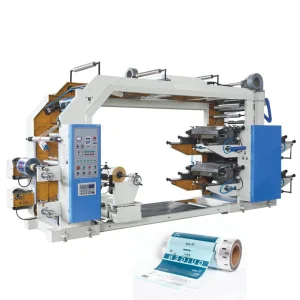
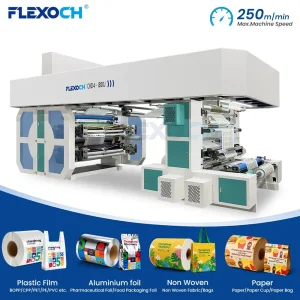
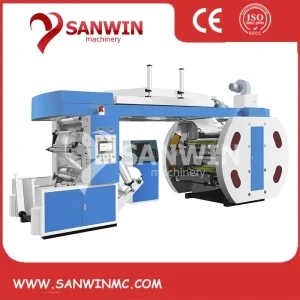
Explore our high-speed flexo printers, die-cutting platforms, and automated rewinding systems.
 Moveco Machine